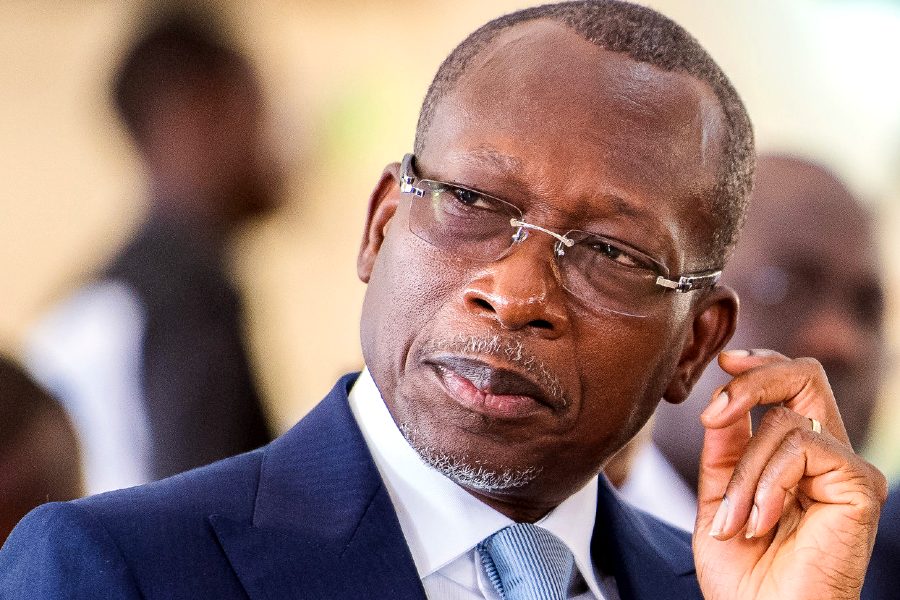
With polls now closed across Benin following the presidential vote on April 12, 2026, one outcome is undeniable: the nation has defied dire predictions. Amid escalating instability in neighboring West African states, Cotonou delivered a calm and orderly election, validating the outgoing administration’s security strategy and setting a new standard for democratic resilience.
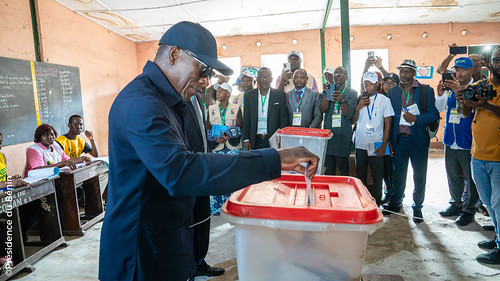
This election was no ordinary vote. Positioned against a backdrop of persistent jihadist threats in the Sahel and deep-seated political tensions at home, the April 12 ballot represented a pivotal moment for Benin’s future. Yet, from the rugged terrain of the Pendjari Reserve to the bustling streets of Cotonou, the day passed without a single violent incident—a testament to careful planning and decisive action.
a fortified shield against northern terrorism
The election’s success hinged on proactive security measures. In response to the rising danger posed by armed extremist groups sweeping across the Sahel, authorities launched an intensified protection framework. Operation Mirador, expanded in the months leading up to the vote, ensured that polling stations in high-risk zones such as Alibori and Atacora remained safe and accessible.
Voters in regions like Kandi echoed the sentiment of security. “I cast my ballot without fear. The presence of our defense forces was steady but unobtrusive—it gave us confidence,” shared one resident, reflecting the quiet reassurance that defined election day. Even in areas where the designated successor, Romuald Wadagni, had launched his campaign under heavy guard, the transition from campaigning to voting was seamless and secure.
democratic resilience in a volatile west africa
Benin continues to stand apart in a region plagued by military coups and chronic insecurity. By upholding term limits and conducting a peaceful election, the country reaffirmed its commitment to democratic norms. Patrice Talon’s tenure concludes with a legacy of stability, achieved through disciplined governance and forward-looking policy.
- Disciplined law enforcement: Unlike past elections, no major security lapses were reported—no disruptions, no chaos, just orderly participation.
- Rigorous electoral logistics: Sensitive materials, including ballot boxes, were transported under military escort, ensuring total integrity from collection to counting.
- Tightened border controls: Enhanced surveillance prevented unauthorized entries, keeping external threats at bay during the electoral period.
building a foundation of internal peace
International observers have hailed this achievement as the culmination of over a decade of structural reform. By modernizing defense infrastructure and investing in intelligence networks, Talon leaves behind a nation where institutions are resilient and territory is safeguarded. The election’s smooth execution is not just a political victory—it’s a national affirmation of unity and trust in the democratic process.
As vote tallies continue, Benin can rightfully claim to have turned a high-stakes presidential contest into a showcase of national strength. The ballot has spoken. The security measures have held. Together, they have written a new chapter in the story of West African democracy.