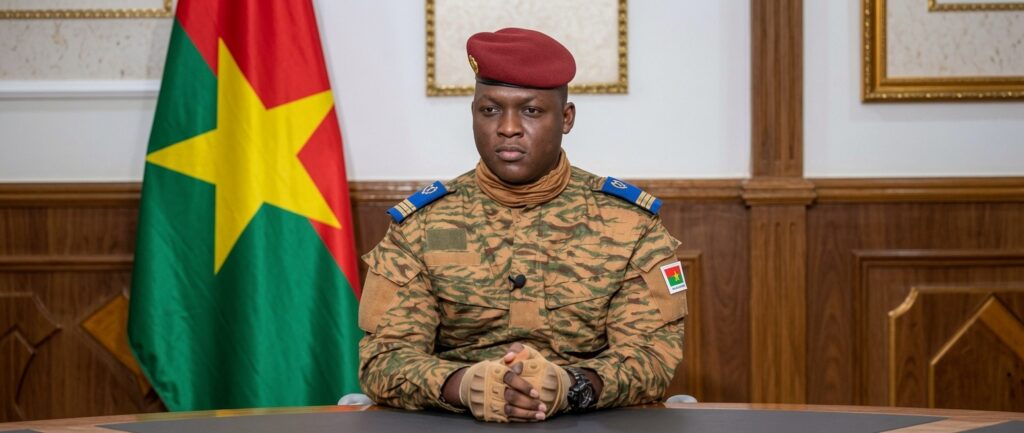
Invoking principles of audiovisual sovereignty and consumer protection, authorities in Burkina Faso have significantly escalated their efforts to control the public information landscape. The unprecedented 200 million FCFA penalty levied against Canal+ International by the Superior Council of Communication (CSC) cannot be dismissed as a mere administrative or commercial dispute. Instead, it clearly represents a deliberate, systematic strategy designed to stifle all dissenting voices and tightly restrict the flow of information.
Regulation weaponized for political aims
The official justification put forth by the CSC—unconditional access for subscribers to channels of the Radiodiffusion Télévision du Burkina (RTB)—now serves as a transparent smokescreen. Beneath these technical grievances and legal injunctions lies a much darker reality: the regime’s unwavering intent to exert absolute dominion over all content broadcast within the nation. By targeting a major international distributor like Canal+, the current administration is not merely seeking compliance with a standard agreement. It is sending an unmistakable signal across the entire media spectrum: no channel, not even satellite transmissions, will evade the government’s stringent filtering.
The specter of unwelcome content: fear of open debate
This intensified crackdown on Canal+ is far from coincidental. It emerges amid heightened tensions surrounding specific content disseminated by the group, particularly certain news programs and political debate shows featured within its packages. The moment a television panel critically examines the security situation, offers a platform to opposition figures, or questions the official narrative, the regulatory apparatus swiftly mobilizes. The regime no longer tolerates contradictory analysis or independent Burkina journalism. A single program deemed unfavorable, an investigation considered too probing, or an unaligned guest is now sufficient to provoke the wrath of institutions ostensibly tasked with safeguarding press freedom. The objective is crystal clear: to compel broadcasters into preemptive self-censorship, thereby avoiding crippling financial sanctions or the outright revocation of their operating licenses.
Toward a singular narrative and controlled information
This latest decision marks yet another link in a growing chain of repressive measures against independent journalism in Burkina Faso:
- Repeated Suspensions: Numerous international and local media outlets have already endured temporary or definitive shutdowns simply for reporting facts not officially approved by the General Staff or the Presidency. This directly impacts the availability of diverse Faso current affairs.
- Intimidation of Local Press: Journalists and independent analysts now operate under constant duress, exposed to risks of forced requisitions on the ground or prosecution for


More Stories
Can Ousmane Sonko and Sadio Mané’s Bambali agro park truly transform Sédhiou?
Senegal’s palm oil gambit: can 60,000 hectares and Indonesian expertise finally end import reliance?
Can Burkina Faso’s military buildup succeed while its people keep fleeing?