
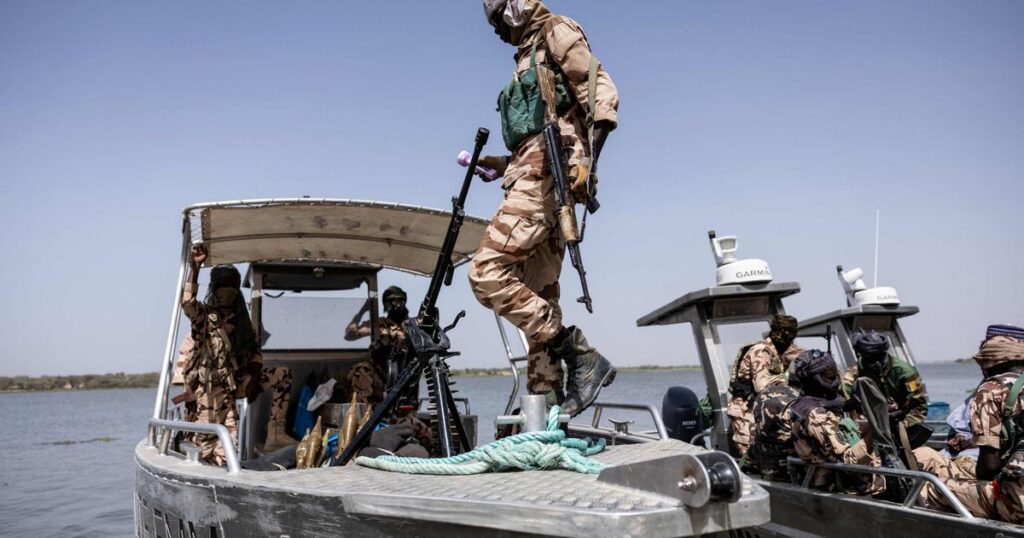
Within hours of a devastating nighttime attack on the Barka Tolorom military base—dubbed an “unprecedented act of terrorism” by Modern Ghana—the Chadian Air Force launched retaliatory strikes targeting Boko Haram strongholds along the Lake Chad Basin. The offensive, which struck islands under jihadist control near the borders of Nigeria, Niger, and Chad, has sparked international concern after reports emerged of civilian casualties.
Africa Radio confirmed that the strikes focused on critical zones, including Shuwa Island, a known Boko Haram bastion and a vital fishing hub frequented by Nigerian fishermen. According to panafrican media sources, the operation resulted in the presumed drowning deaths of at least 40 fishermen, primarily from Doron Baga, a Nigerian lakeside town with a grim history—having suffered a 2,000-fatality massacre in 2015.
controversial military response draws mixed reactions
Chad’s military leadership justified the strikes as a necessary counterterrorism measure following the loss of 25 servicemen—including two generals—and 46 wounded in the initial attack. However, the operation’s collateral damage has raised alarms. A local Lake Chad Fishermen’s Union representative disclosed that dozens remain missing, with many feared lost in the bombing raids.
The incident has left Nigerian authorities largely silent, despite their own military’s history of civilian casualties in similar operations. The latest controversy follows recent allegations of indiscriminate aerial bombardments by Abuja’s forces, underscoring the volatile security landscape in the region.
lake Chad: a flashpoint for regional instability
The Lake Chad Basin remains a critical flashpoint, where porous borders and militant activity complicate counterterrorism efforts. While Chadian forces assert their strikes targeted confirmed Boko Haram positions, the absence of transparent casualty assessments has fueled skepticism. The Shuwa Island incident, in particular, highlights the challenges of distinguishing between combatants and civilians in densely populated conflict zones.
Regional analysts warn that such incidents risk exacerbating local grievances, potentially driving more youth toward extremist groups. The Lake Chad Fishermen’s Union has called for an independent investigation, emphasizing the need to protect civilian lives amid ongoing military operations.



More Stories
Niger: Tiani faces fallout from special forces anger after Russian intervention
Mali : 17 morts dans les rangs des dozos, le JNIM accentue sa pression
Sahel : le pari des juntes tourne-t-il à l’échec sécuritaire ?