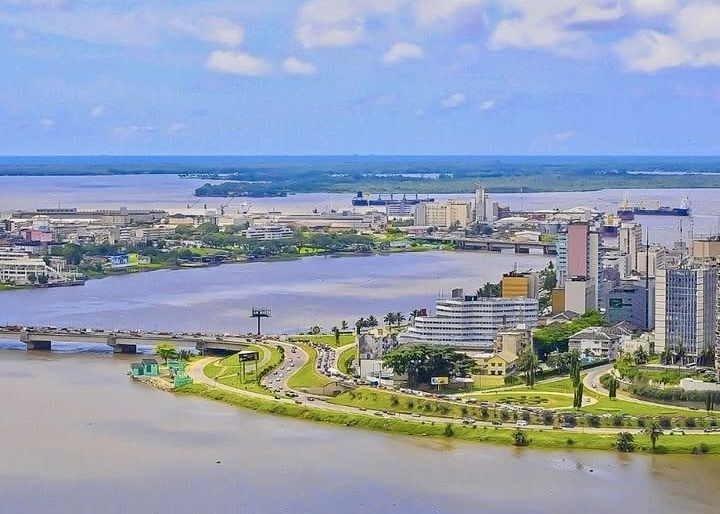
Côte d’Ivoire stands as UEMOA’s economic powerhouse ahead of AES nations
As the leading economy in the West African Economic and Monetary Union (UEMOA), Côte d’Ivoire continues to solidify its regional dominance through an exceptional blend of economic drivers. A thriving domestic market, cutting-edge infrastructure, Africa’s busiest port, and unmatched investment capacity set Abidjan apart from its neighbors. These factors collectively establish the city—and the country—as one of Africa’s most influential economic hubs.
- Economic Analysis

The Ivorian government’s commitment to public investment remains unmatched, with over 4,195 billion West African CFA francs allocated in the latest budget cycle. This substantial financial commitment—not only surpasses regional peers but also demonstrates the country’s ability to simultaneously advance large-scale infrastructure, transportation, energy, and urban development projects. The published figures reveal the sheer scale of this economic drive. Alone, Côte d’Ivoire’s investment envelope towers over the combined public spending plans of Mali, Burkina Faso, and Niger. The three Sahel Alliance nations together account for nearly 2,100 billion CFA francs in programmed public investments—less than half of Abidjan’s dedicated budget.
When measured against the broader UEMOA community, Côte d’Ivoire’s dominance becomes even more pronounced. With nearly 44% of the union’s total programmed public investments, the country commands a substantial share of regional development resources. Its budget allocation is nearly triple that of Benin, more than four times Senegal’s, and dozens of times greater than Guinea-Bissau’s.
This financial strength stems from Côte d’Ivoire’s position as the UEMOA’s largest economy. According to Nouvou Berté, an economist specializing in political economy and international finance, this advantage stems from the country’s expansive domestic market, robust tax revenue base, and access to international financial markets. These pillars enable the nation to fund transformative programs across critical sectors. A per capita analysis further highlights the disparity in resource mobilization. Côte d’Ivoire allocates approximately 116,500 CFA francs in public investment per citizen—surpassing both Togo and Benin. The gap is particularly stark when compared to Senegal, Mali, Burkina Faso, and Niger.
However, sheer spending volume does not tell the full story. Some countries allocate a higher percentage of their budgets to investment. Togo and Benin, for instance, maintain investment ratios exceeding Côte d’Ivoire’s. This nuance underscores that beyond financial commitments, the efficiency of public expenditure remains paramount. Highways, ports, universities, power grids, and industrial zones only drive economic growth when projects are executed with precision and align with real economic needs.
Despite these considerations, medium- and long-term forecasts reinforce Côte d’Ivoire’s regional standing. A late 2025 report by the Centre for Economics and Business Research (CEBR) projects significant economic growth for the country over the next 15 years. The UK-based think tank estimates that Côte d’Ivoire’s GDP could more than double by 2040. This outlook is anchored in several strengths. Industrial transformation is gaining momentum, agro-industry remains a cornerstone of the economy, and exports are diversified across cocoa, gold, and energy. The Port of Abidjan continues to serve as a critical trade gateway for West Africa, further cementing Côte d’Ivoire’s role as the region’s logistics backbone.
These indicators paint a clear picture: Côte d’Ivoire now possesses the financial resources, infrastructure, and production capabilities to exert greater influence than its neighbors within the UEMOA. The challenge ahead lies in translating this economic power into sustainable benefits for businesses, employment, and living standards across the population.
Economic Analysis Desk