
6-minute read
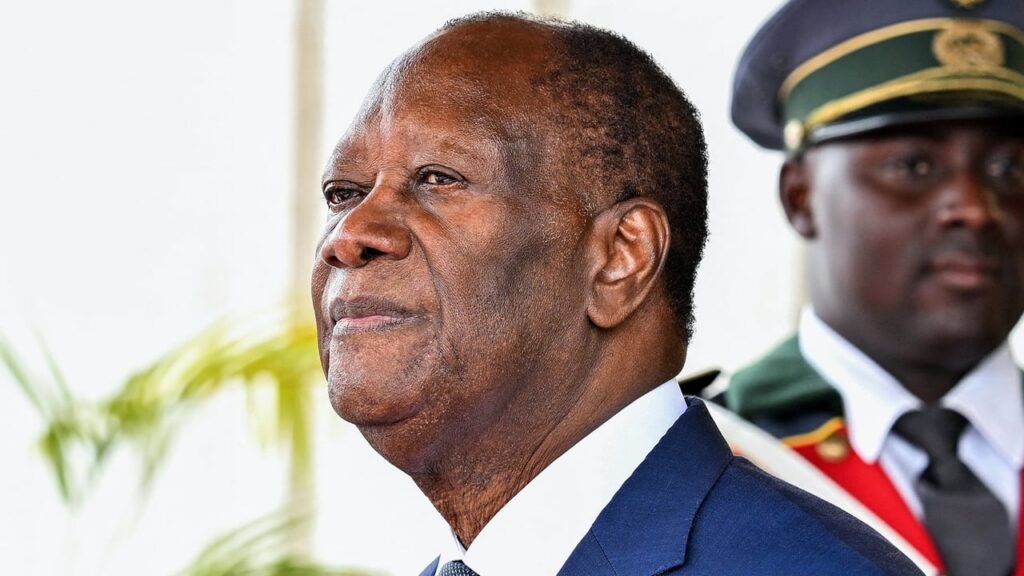
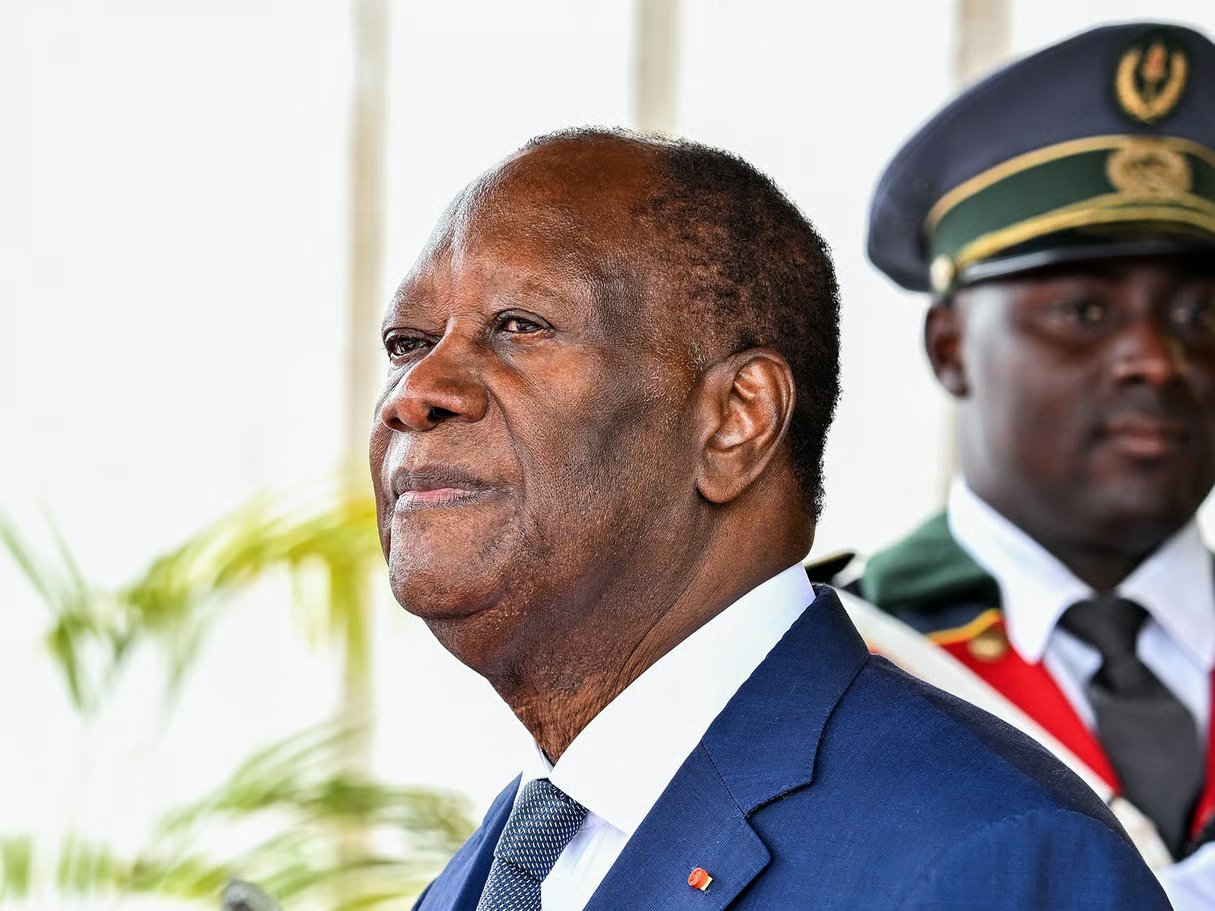
After years of political tension, the government’s announcement on May 6 to dissolve the Independent Electoral Commission (CEI) marks a turning point for Côte d’Ivoire’s democratic process. Speaking on behalf of the executive, government spokesperson Amadou Coulibaly declared that a new chapter is beginning, emphasizing that the move aims to ensure sustainable peaceful elections in the country.
What triggered the dissolution of the CEI in Côte d’Ivoire?
The decision follows months of recurring disputes between the ruling party and opposition groups over the commission’s neutrality and operational methods. Critics argued that the CEI’s structure and management had become a persistent source of friction in national politics, undermining public trust in electoral processes. The government’s statement framed the dissolution as a necessary step toward restoring credibility to the electoral system.
Who stands to gain from this reform?
The dissolution is expected to reshape the political landscape, particularly for:
- President Alassane Ouattara’s administration: The move could strengthen the government’s position by presenting itself as a reformist force committed to fair governance.
- The opposition: Some factions may see this as an opportunity to push for a more inclusive electoral framework, though skepticism remains about whether the reforms will address their core concerns.
- Civil society: Organizations advocating for transparent elections will be watching closely to ensure the new commission avoids past pitfalls.
- International partners: Western governments and regional blocs have repeatedly called for electoral reforms in Côte d’Ivoire; this decision may ease diplomatic pressure.
What comes next after the CEI’s dissolution?
The government has indicated that a new electoral body will be established, though details about its composition and mandate remain scarce. Key questions include:
- Will the new commission include opposition representatives, or will it be dominated by ruling party appointees?
- How will the selection process for commission members ensure independence and expertise?
- What timeline is set for implementing these changes before the next major electoral cycle?
How are Ivorian citizens reacting?
Public opinion is divided. While some citizens welcome the move as a step toward modernizing the electoral system, others fear it could deepen political divisions or be used to sideline opposition voices. Social media platforms are buzzing with debates, reflecting the polarized atmosphere surrounding Côte d’Ivoire’s governance.
What are the risks of this transition?
Without careful planning, the dissolution of the CEI could lead to:
- Increased political instability, especially if opposition groups perceive the reforms as one-sided.
- Delayed elections, which could disrupt the country’s democratic calendar and raise concerns about governance continuity.
- Erosion of public trust in electoral institutions if the new commission is seen as partisan.
The government’s next steps will be critical in determining whether this reform strengthens democracy or becomes another chapter in Côte d’Ivoire’s turbulent political history.



More Stories
Niger: Tiani faces fallout from special forces anger after Russian intervention
Mali : 17 morts dans les rangs des dozos, le JNIM accentue sa pression
Sahel : le pari des juntes tourne-t-il à l’échec sécuritaire ?