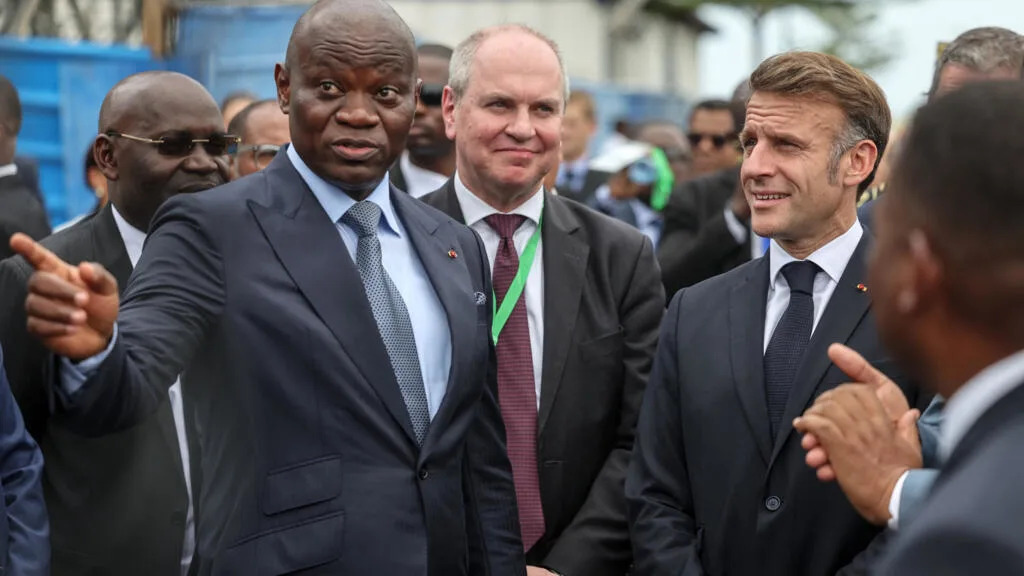
Gabon and France: key challenges during President Oligui Nguema’s Paris visit
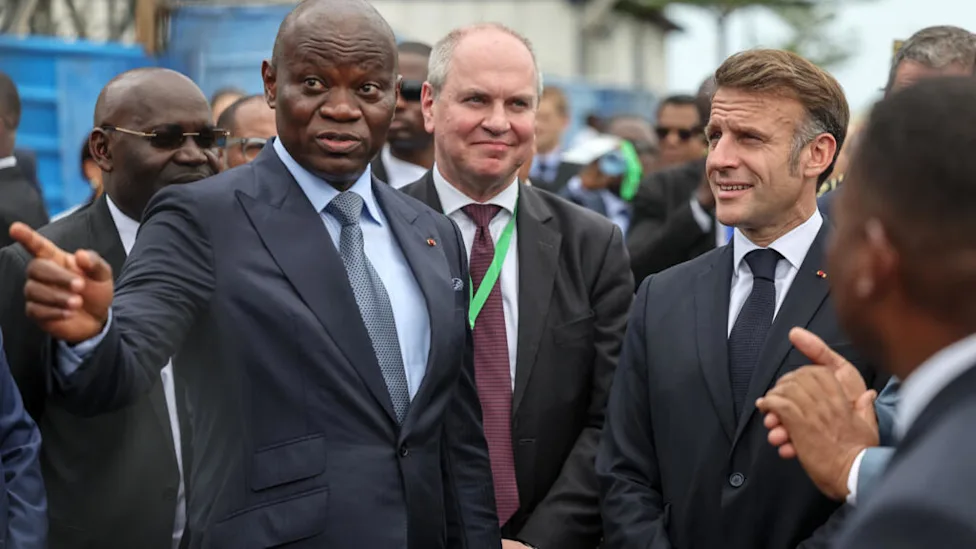
The upcoming meetings in Paris between Gabonese President Brice Oligui Nguema and his French counterpart will center on evaluating progress made since the agreements signed in Libreville in late 2025, according to official statements. Economic diversification and strategic cooperation are expected to dominate discussions as both nations reassess their bilateral relationship.
A major point of contention involves Gabon’s push for local processing of manganese, mined by Comilog—a subsidiary of the French group Eramet. Libreville has set a strict January 2029 deadline: all extracted ore must undergo initial transformation within Gabon before export. While France has expressed support for the principle, negotiations are underway to adjust the timeline, which authorities in Gabon acknowledge may be overly ambitious given the scale of investments required in industrial and energy infrastructure.
« This visit reflects the importance of finding balanced solutions that align Gabon’s economic ambitions with feasible implementation timelines, » noted a senior advisor close to the presidency, emphasizing the stakes of the Paris talks.
Water supply and military cooperation top the agenda
Another critical issue involves the Suez water supply agreement in Libreville, signed a year ago. Despite commitments totaling 120 billion CFA francs, progress has stalled, prompting calls from French officials for renewed adherence to terms. Meanwhile, Gabon is seeking greater autonomy in its military partnerships, requesting ownership of the former French base—Camp de Gaulle—and its eventual renaming. Over time, defense cooperation is expected to shift toward training and advisory roles only.
Gabon’s growing engagement with alternative partners—including China, Turkey, and India—has not gone unnoticed in Paris, though France remains Gabon’s primary diplomatic ally in the region.
Gabon’s debt crisis: a looming regional concern
Though not officially on the agenda, Gabon’s escalating debt—exceeding 70% of GDP—poses a significant challenge. Libreville has initiated a comprehensive audit, with preliminary results expected this month. Concurrently, Gabon is pursuing a new program with the International Monetary Fund (IMF), though delays in document submission have raised concerns within the institution.
France, which currently holds the presidency of the Paris Club, is advocating for a negotiated financial solution to stabilize Gabon’s debt. The situation carries regional implications, particularly for the stability of the CFA franc, as rising debt levels risk undermining exchange rate equilibrium across West and Central Africa.