
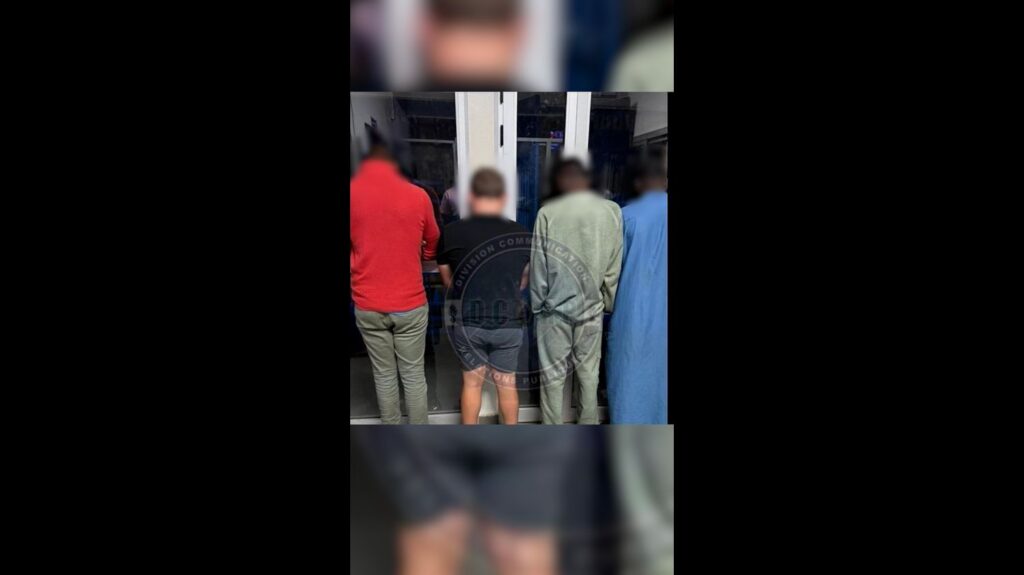
The situation for LGBTQ+ individuals in Senegal has reached a critical point as authorities escalate enforcement against homosexuality. Recent weeks have seen hundreds of men detained across the country, including a French national who remains imprisoned following his arrest at home in Dakar.
This crackdown follows a broader pattern of increasing legal pressure against same-sex relationships in the West African nation, where homosexual acts are criminalized under Article 319 of the penal code. The arrests come amid growing international scrutiny of Senegal’s human rights record.
Legal Framework and Social Climate
Senegal’s criminalization of homosexuality stems from its colonial-era laws, which remain in force despite calls for reform from human rights organizations. The current wave of arrests appears to be one of the most extensive enforcement actions in recent years, signaling a potential shift in government policy or public tolerance.
Key developments:
- Mass arrests: Hundreds of men have been taken into custody in coordinated operations across multiple cities
- Foreign nationals affected: The French detainee’s case has drawn particular attention from European diplomatic circles
- Legal consequences: Those arrested face potential prosecution under laws carrying penalties of up to five years imprisonment
- Human rights concerns: International observers warn that the crackdown violates fundamental privacy rights
The French government has raised the case with Senegalese authorities, while human rights groups both within Senegal and internationally have condemned the arrests as a violation of basic freedoms.
International Reactions
France’s foreign ministry has expressed concern over the arrests, particularly regarding the treatment of its citizen. The European Union has also raised questions about Senegal’s compliance with international human rights standards, especially in light of the country’s recent international commitments.
Human rights organizations operating in Senegal report receiving an unprecedented number of distress calls from affected communities, with many individuals going into hiding to avoid detection by authorities.
As the situation develops, international observers continue to monitor whether this represents a temporary intensification or a more permanent shift in Senegal’s approach to LGBTQ+ rights enforcement.



More Stories
Niger: Tiani faces fallout from special forces anger after Russian intervention
Mali : 17 morts dans les rangs des dozos, le JNIM accentue sa pression
Sahel : le pari des juntes tourne-t-il à l’échec sécuritaire ?