
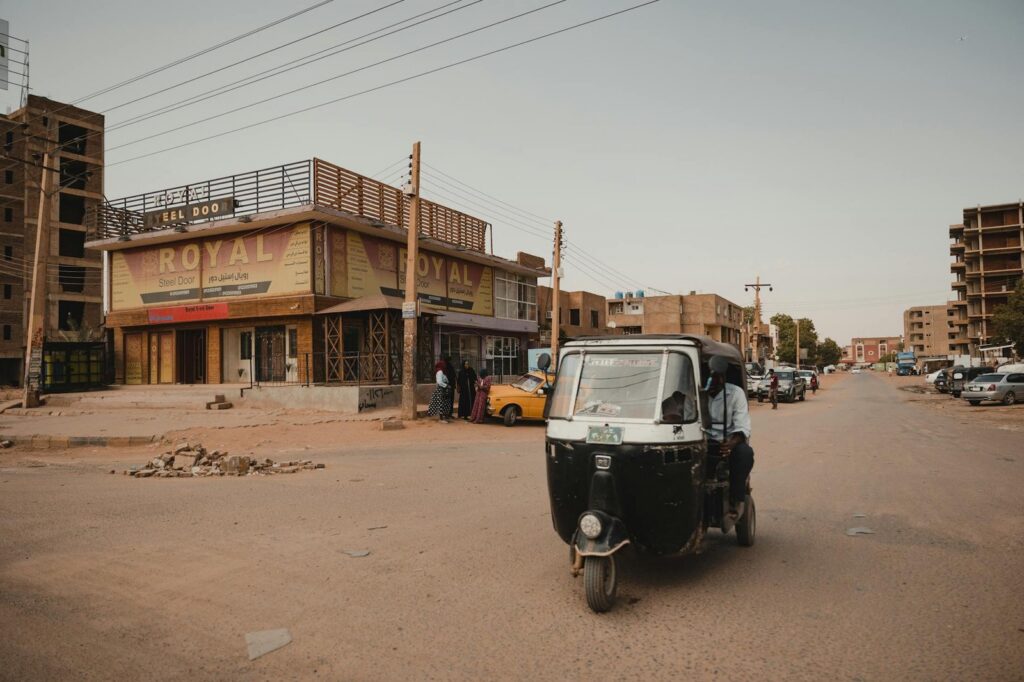
The jihadist alliance Jnim has escalated its blockade of Mali, pushing the country’s economic strain to unprecedented levels. Over the weekend, militants torched at least ten passenger buses along the Ségou-Bamako corridor, a vital supply route feeding the capital from the east. Meanwhile, in the Kayes region, armed groups sabotaged and destroyed electrical infrastructure linked to the Manantali hydroelectric dam—a move that threatens to plunge Mali into deeper darkness.
Manantali: the hidden battleground of Mali’s energy war
The Manantali dam is more than a power plant; it is the backbone of Mali’s urban electricity grid, managed jointly through the Organisation for the Development of the Senegal River (OMVS) alongside Mauritania and Senegal. By targeting its transmission lines, Jnim is no longer just attacking the military—it is striking at the heart of Mali’s economy. Power outages ripple through hospitals, factories, and markets, turning everyday life into a struggle. This campaign follows weeks of systematic strikes on fuel convoys entering from Senegal and Côte d’Ivoire, aiming to weaponize scarcity and erode public trust in the transitional government led by General Assimi Goïta.
What was once a peripheral conflict in northern regions now engulfs Bamako, where residents face queues at gas stations and rolling blackouts. Jnim’s strategy is clear: suffocate the state by choking its lifelines.
Army fights back, but supply lines remain fragile
Mali’s armed forces have responded with intensified ground and air operations across multiple fronts. Military escorts have escorted hundreds of fuel tankers into Bamako in recent days, temporarily easing shortages. Yet this relief is precarious—each convoy demands heavy security, and the prospect of securing Mali’s highways for the long term appears distant. The army is stretched thin, caught between countering Jnim’s ambushes in central and western regions and defending the tense stalemate in Kidal, where clashes with rebel factions from the Permanent Strategic Framework loom.
With resources dwindling, Bamako’s leadership is navigating a high-stakes balancing act, trying to hold two fronts at once without the means to decisively break the siege.
Regional spillover: how Mali’s blockade affects West Africa
The crisis has spilled beyond Mali’s borders. Neighboring economies—especially those of Senegal, Mauritania, and Côte d’Ivoire—are feeling the pinch. Dakar and Abidjan’s ports report declining transit volumes as trade corridors to the Sahel dry up. The Alliance of Sahel States, comprising Mali, Burkina Faso, and Niger, has struggled to craft a unified response to the jihadist-led economic war. The attack on Manantali raises a new alarm: damage here could disrupt power supplies to Senegal and Mauritania, turning a Malian crisis into a regional emergency.
External partners now face a dilemma: support Bamako’s sovereignty claims or prioritize the protection of shared, cross-border infrastructure critical to regional stability. As the battle intensifies, the gap widens between the army’s operational claims and the lived reality in a capital under siege. Jnim has moved beyond territorial control—its goal is total asphyxiation of the state.


More Stories
Niger: Tiani faces fallout from special forces anger after Russian intervention
Crisis in Niger, IMF agreement in Sénégal, and Moroccan elections: Five essential stories
RDC-Israël : un rapprochement aux enjeux multiples