
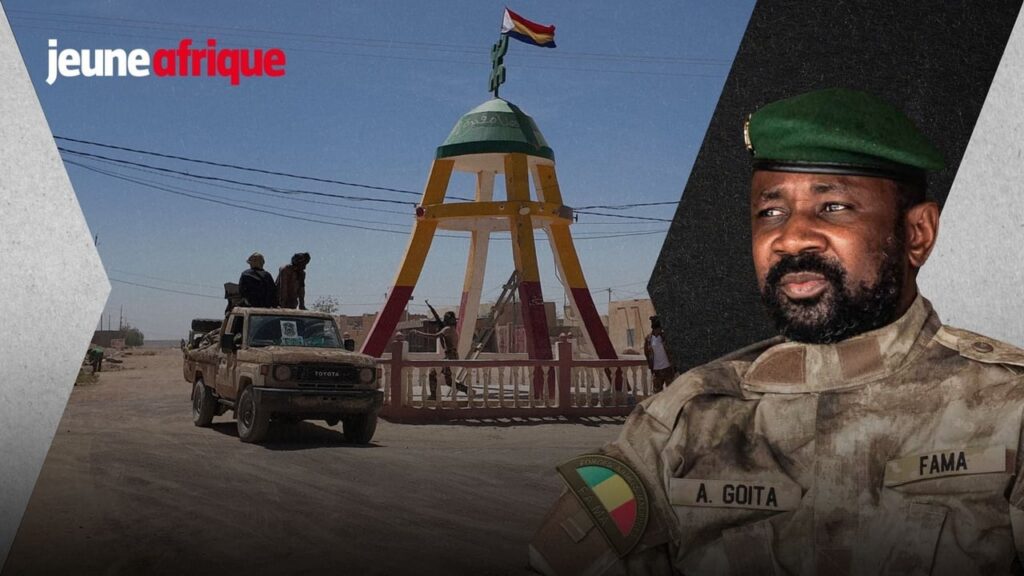
The Mali security crisis deepens as power wavers but holds
The situation in Mali has reached a critical juncture, where the nation’s fragile stability is being tested like never before. The recent surge in violence has exposed deep fractures within the country’s security apparatus and governance structures. The events of April 25, 2026, marked a turning point that has sent shockwaves through the region, reshaping the geopolitical landscape of the Sahel.
The fallout from coordinated attacks
On that fateful Saturday, coordinated assaults across multiple locations demonstrated a level of sophistication and cooperation previously unseen. Militants, operating in tandem with separatist forces, targeted strategic points, including government installations and key military positions. The assault on Kidal was particularly devastating, resulting in the loss of lives among security personnel and civilians alike.
The attack on Kidal, a city already under the control of Africa Corps mercenaries, highlighted the shifting alliances on the ground. The rapid advance of rebel forces, in conjunction with jihadist groups, underscored the evolving nature of the conflict. The fall of the Defense Minister in the crossfire sent a clear message: the government’s grip on power is increasingly tenuous.
Emerging alliances that challenge the status quo
What makes this crisis particularly alarming is the growing collaboration between jihadist factions and separatist movements. The Groupe de soutien à l’islam et aux musulmans (Jnim) has joined forces with independentist rebels, creating a formidable coalition that poses an unprecedented threat to national stability. This alliance has not only intensified the violence but also complicated efforts to broker peace.
The implications of this partnership extend beyond Mali’s borders, raising concerns among neighboring countries and international observers. The collapse of the Defense Minister’s convoy during the assault on Kidal is a stark reminder of the human cost of this escalation. The loss of such a key figure in Mali’s leadership has left the nation grappling with questions about its future direction.
The road ahead: uncertainty and resilience
As Mali navigates this turbulent period, the resilience of its institutions and people is being put to the test. The crisis has exposed vulnerabilities in the security framework, forcing a reevaluation of strategies to counter the evolving threats. The government, led by Assimi Goïta, faces immense pressure to restore order and regain control over the narrative of the conflict.
The international community watches closely, aware that the outcome in Mali will have far-reaching consequences for the broader Sahel region. With alliances shifting and violence escalating, the path to stability remains uncertain. Yet, amidst the chaos, there are glimmers of hope as local communities and regional partners explore avenues for dialogue and reconciliation.
The challenges ahead are monumental, but the determination of the Malian people to forge a path forward remains unwavering. The crisis may have exposed the fragility of power, but it has also revealed the strength of those who refuse to surrender to despair.



More Stories
Niger: Tiani faces fallout from special forces anger after Russian intervention
Crisis in Niger, IMF agreement in Sénégal, and Moroccan elections: Five essential stories
RDC-Israël : un rapprochement aux enjeux multiples