
There is a striking contradiction currently unfolding in the Moroccan healthcare system. While public health facilities have faced severe shortages of rapid HIV tests for over a year, forcing patients to leave without being screened, domestic manufacturers sit on stockpiles ready for immediate delivery. This persistent scarcity is not merely a logistical hiccup; it reveals a systemic failure in the management of public procurement where the principle of national preference is being systematically overlooked.
Moroccan law is unambiguous on this matter. Decree No. 2.22.431, which governs public tenders, establishes a clear framework for national preference. It mandates that technical specifications for any bid must be defined by performance and functional requirements rather than specific brands, origins, or patents. According to legal experts specializing in administrative law, failing to adhere to these principles constitutes a legal violation.
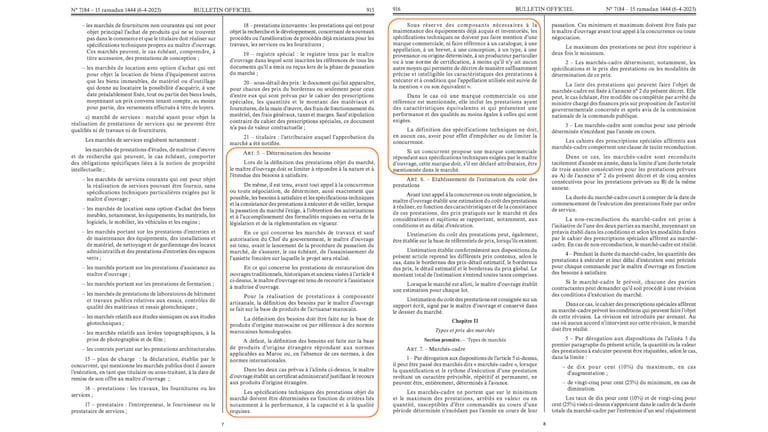
Legal analysts point out that including hyper-specific technical conditions or requiring certifications held by only one competitor violates the principle of equal opportunity. This can be interpreted as an abuse of power. Administrative courts in Morocco evaluate these cases based on whether a tender document effectively excludes local producers without justification. When such exclusion occurs, the tender can be legally challenged.
Affected companies do have recourse, such as filing a preliminary appeal with the National Commission for Public Procurement or taking the matter to administrative courts within sixty days. In cases where corruption is suspected, criminal law provisions regarding influence peddling can also be invoked. However, challenging a state administration remains a daunting task for many businesses.
On the ground, industry players describe a disheartening reality. Special specification documents (CPS) are often drafted based on the characteristics of foreign products already in use. This practice effectively locks in old contracts and ignores the growing capabilities of the Moroccan industrial sector. One local manufacturer of medical devices, speaking anonymously, described a surreal situation where their laboratory exports products across Africa but holds less than 2% of the public market share in Morocco. They argue that tender requirements are rarely designed with local products in mind.
Furthermore, there is a disconnect within the government itself. While the Ministry of Finance has increased customs duties on certain imported medical devices to bolster local industry, the Ministry of Health continues to purchase expensive foreign alternatives, bypassing competitive local equivalents.
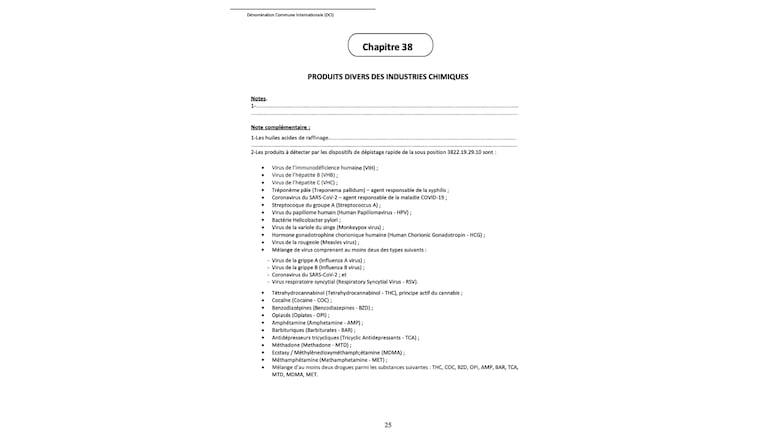
The Ministry of Health’s supply division maintains that it operates strictly within the law, claiming that tenders are open to all qualified operators. However, they clarify that “national preference” often refers to the company’s location in Morocco rather than where the product is manufactured. This means an importer based in Morocco is treated the same as a local manufacturer.
Regarding the HIV test shortage, the ministry acknowledged “occasional tensions” in some facilities, blaming procurement delays and international supply chain disruptions. They stated that new tenders are underway and alternative solutions are being explored. Yet, this explanation fails to satisfy critics who ask why local producers with ready stock were not engaged during these month-long gaps. While the ministry denies using direct-negotiation (gré à gré) contracts, industry sources suggest otherwise, though official documentation remains private.
The stakes for health sovereignty
Beyond the administrative hurdles lies the broader issue of Morocco’s health sovereignty. Experts like Professor Jaafar Heikel, a prominent infectiologist, note that while traditional lab tests are available, the loss of rapid tests is devastating. These tests are vital for NGOs like OPALS or ALCS, which reach vulnerable populations who do not typically visit hospitals. Without these tools, the national response to HIV is severely weakened.
Professor Heikel emphasizes that utilizing locally manufactured, state-validated tests would not only save money but also secure the nation’s health independence. This is critical as Morocco strives to meet the UNAIDS 95-95-95 targets by 2030—aiming for 95% of people living with HIV to know their status, 95% of those to be on treatment, and 95% of those to have an undetectable viral load.
Failure to provide accessible testing means fewer diagnoses and a higher risk of the virus spreading. The Ministry of Health insists it is fully mobilized to ensure service continuity, but local manufacturers are waiting for this commitment to be reflected in actual purchase orders. If investors who develop validated local products continue to be sidelined in favor of foreign suppliers, the country risks stifling the very domestic industry it needs to protect its future.