
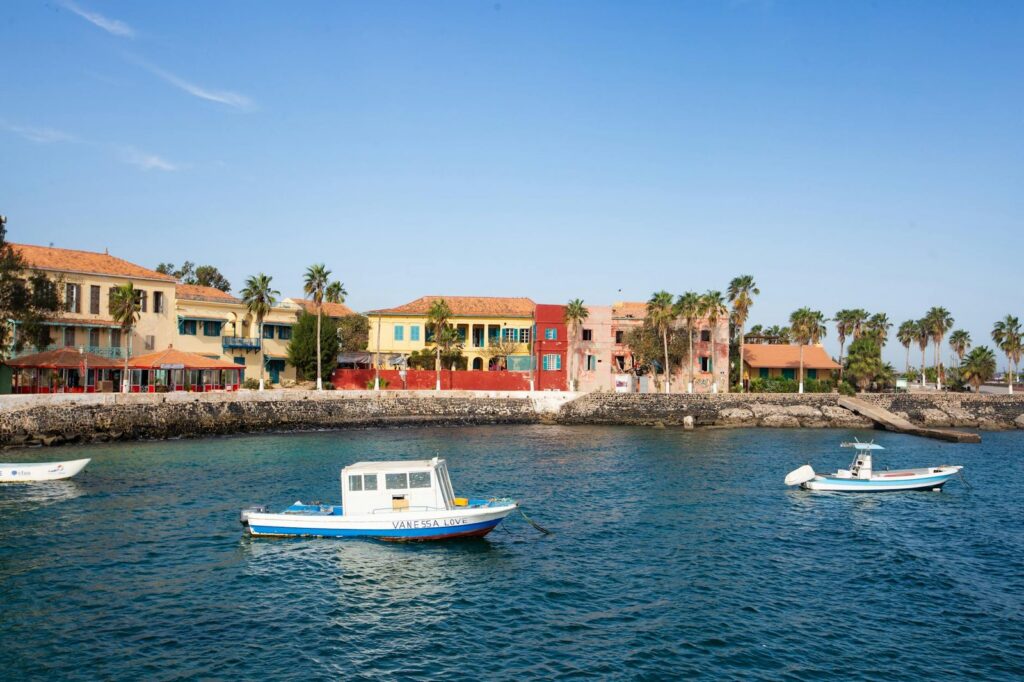
Senegal’s mounting public debt has escalated into a major point of contention between the government led by Ousmane Sonko and international financial institutions within a single year. On May 11, economists from Africa and Asia gathered in Dakar to explore innovative solutions during a preparatory forum ahead of a broader conference featuring the Prime Minister. The fundamental goal is to challenge conventional austerity measures advocated by the International Monetary Fund (IMF) and the World Bank with fresh, data-driven perspectives.
Public debt crisis fuels tense negotiations with IMF
The Senegalese government has revised its debt figures upward, prompting the IMF to freeze disbursements under an existing funding program. This development has intensified pressure on Dakar to meet international obligations while financing social commitments promised by the ruling Pastef party. The current situation underscores a delicate balancing act between fiscal responsibility and domestic policy priorities.
The forum reflects a deliberate strategic shift. Rather than adhering to standard structural adjustment demands from creditors, the administration is building a robust academic and technical case for alternative approaches. Key areas of exploration include structured debt restructuring, extended maturity timelines, and enhanced domestic revenue mobilization. The inclusion of Asian economists—many from countries that have navigated similar balance-of-payments crises—aims to diversify the dialogue beyond traditional Western economic frameworks.
Government sends strong signal to global lenders
The timing of the forum carries political weight. By convening critical voices just weeks after negotiations with the IMF were effectively suspended, Prime Minister Sonko is sending a clear message to international partners. Since taking office in 2024, he has positioned economic sovereignty as a cornerstone of his leadership. His direct involvement in the conference elevates the event from a mere academic exercise to a strategic policy statement.
The organizers seek to demonstrate that viable alternatives exist outside conventional financing programs. This stance aligns with a growing trend across the continent, where several governments are challenging the restrictive conditions tied to multilateral funding. From Ghana and Zambia to Ethiopia, recent debt restructurings have generated valuable insights that Dakar hopes to leverage. However, Senegal’s situation differs: it remains current on its obligations and maintains limited but crucial access to regional financial markets.
What credible alternatives exist to IMF-style austerity?
Discussions among participating economists center on three strategic pillars. First, fiscal reform: broadening the tax base, combating illicit financial flows, and renegotiating extractive industry contracts—particularly in the hydrocarbons sector, which began production in 2024. Second, debt architecture: promoting local currency instruments and revenue-linked securities to reduce exposure to external shocks. Third, regional coordination under the West African Economic and Monetary Union (WAEMU) framework.
These proposals are not without trade-offs. Assertive rhetoric toward the IMF could heighten perceived risk, potentially increasing borrowing costs for Senegal’s Treasury despite its ongoing need for public debt issuance. Furthermore, any restructuring would require engagement with eurobond holders—a stakeholder group with interests distinct from bilateral creditors. Ultimately, the government’s room for maneuver hinges on its ability to harmonize its sovereign economic narrative with the demands of financial credibility.
The outcome of this week’s forum in Dakar will be closely monitored by regional capitals and credit rating agencies. It may signal the beginning of renewed negotiations with lenders—or prolong a standoff whose financial toll escalates with each passing quarter. Final recommendations are expected to be submitted to the government upon conclusion of the event.


More Stories
Niger: Tiani faces fallout from special forces anger after Russian intervention
Mali : 17 morts dans les rangs des dozos, le JNIM accentue sa pression
Sahel : le pari des juntes tourne-t-il à l’échec sécuritaire ?