
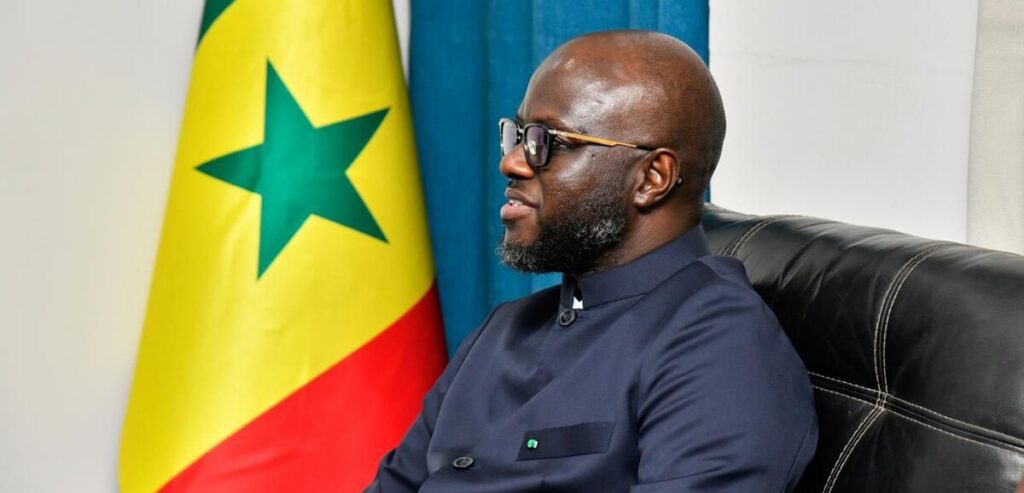
Senegal: National Assembly leader steps down amid political shake-up
The political landscape in Senegal has been rocked by another major development. El Malick Ndiaye, the Speaker of the National Assembly, announced his resignation just 48 hours after the dismissal of former Prime Minister Ousmane Sonko.
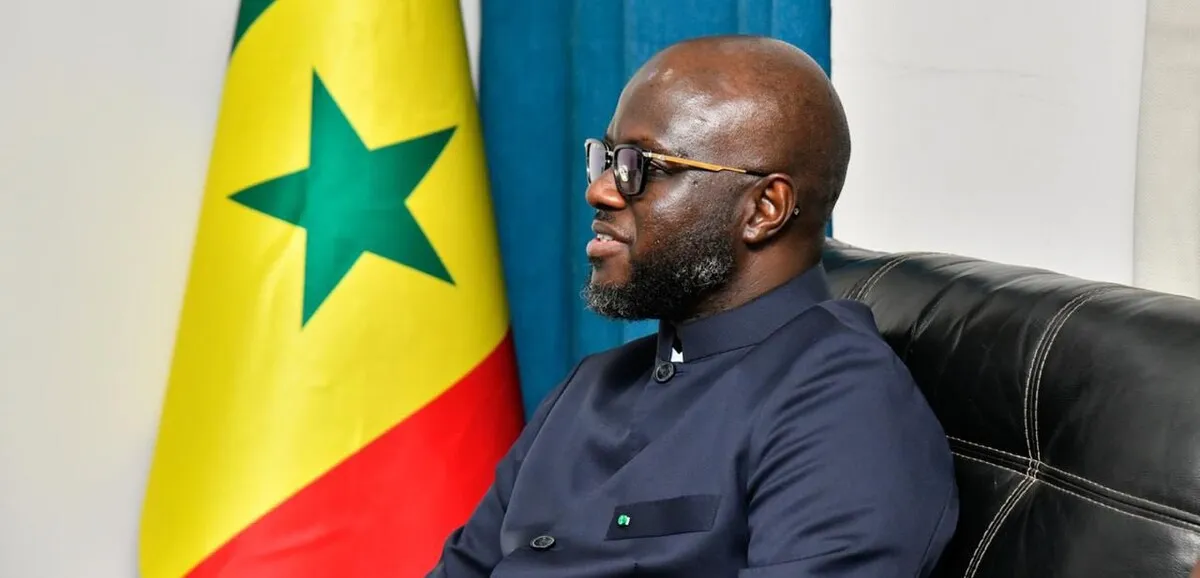
In a statement shared on social media, Ndiaye cited “personal reasons” and emphasized his decision was made “in the supreme interest of the nation,” offering no further details about the circumstances surrounding his departure.
A potential shift in parliamentary leadership
Ndiaye’s resignation has created a power vacuum in the National Assembly, potentially paving the way for Ousmane Sonko to assume the role. The leader of the Pastef party, which commands a commanding majority with 130 out of 165 parliamentary seats following the 2024 legislative elections, remains a dominant figure in Senegalese politics.
Sonko, who was barred from running in the 2024 presidential election due to a prior conviction, played a pivotal role in elevating President Bassirou Diomaye Faye to power under the widely recognized slogan ‘Diomaye Moy Sonko’.
Growing rifts within the ruling coalition
Public tensions between Sonko and President Faye have intensified in recent months, culminating in a definitive rupture that became official just two days before Ndiaye’s resignation. The political unrest raises serious questions about the government’s ability to push through critical reforms amid an already challenging economic climate for Senegal.
The coming days are expected to be pivotal in determining the future trajectory of the country’s leadership and governance.



More Stories
Niger: Tiani faces fallout from special forces anger after Russian intervention
Mali : 17 morts dans les rangs des dozos, le JNIM accentue sa pression
Sahel : le pari des juntes tourne-t-il à l’échec sécuritaire ?