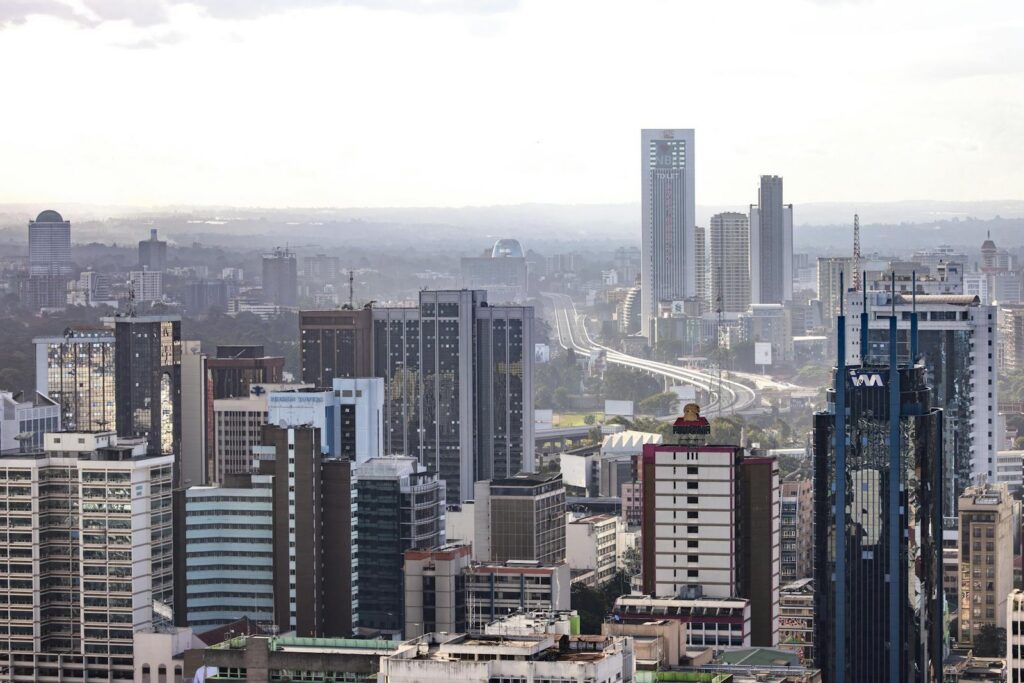
The Senegal government is gearing up for the Nairobi 2026 summit with a clear mission: transform a diplomatic visit into a powerful economic magnet. Led by President Bassirou Diomaye Faye, Dakar has assembled a high-profile delegation—dubbed by domestic media as the ‘Dream Team’—featuring top economic and financial officials. The Kenyan stopover is designed to showcase Senegal’s reform priorities, secure fresh financial commitments, and position the country as a reliable gateway to West Africa.
A lean yet impactful delegation to reassure donors
The composition of the Senegalese team reflects a strategy built on precision. Alongside the Head of State, key ministers overseeing economic and financial portfolios are joining the trip. This streamlined approach aims to present foreign partners with a unified front capable of addressing technical questions on debt, taxation, infrastructure, and clean energy transitions.
The decision to field a compact, experienced squad aligns with the policy championed since President Faye took office. Dakar is moving away from large, unwieldy delegations that often diluted the country’s message abroad. In practice, each member carries a clear mandate—whether renegotiating financing lines, unveiling priority project portfolios, or defending the new fiscal trajectory.
Why Nairobi has become Africa’s must-attend economic hub
Nairobi has steadily risen to prominence as a pivotal diplomatic and financial hub on the continent. Home to regional UN agencies, a dense network of international financial institutions, and a vibrant private equity ecosystem, the Kenyan capital attracts the decision-makers shaping investment flows into Sub-Saharan Africa. For Senegal, projecting an image of stability and fiscal discipline in this setting is a strategic imperative.
The regional backdrop heightens the stakes. While several West African economies grapple with political or monetary instability, East Africa is deepening its ties with sovereign wealth funds and Asian partners. By positioning itself in this space, Dakar aims to broaden its investor base beyond traditional allies and diversify funding sources for its Transformation Plan.
Unlocking fresh capital for economic renewal
Senegal’s public finances are at a critical juncture. The government is conducting a sweeping review of accounts inherited from the previous administration while negotiating a fresh cooperation framework with multilateral partners. In this environment, every international appearance by the President is closely watched by markets and rating agencies alike.
The sectors targeted for investor outreach are well defined. Hydrocarbons—with growing gas and oil projects—agriculture and food sovereignty, digital economy, transport infrastructure, and renewable energy form the core of the pitch. Industrialization also features prominently, framed as the backbone of job-creating growth. While the delegation will unveil new initiatives, success will ultimately hinge on execution. International investors now prioritize African governments’ ability to deliver over mere declarations.
The Senegalese approach—combining presidential presence, a focused technical team, and a coherent political narrative—signals a maturing economic diplomacy. The real test lies in converting Nairobi networking into actionable memoranda, and those into funded, operational projects. The stakes are high, but the method suggests Dakar is serious about turning ambition into tangible results.
Further reading
Macron extends African tour with Addis Ababa stop · DRC and Uganda ink six agreements during Kampala visit · Macron’s Kenya visit marks the end of France’s exclusive sphere in Africa