Senegal’s Sonko condemns western pressure on homosexuality laws
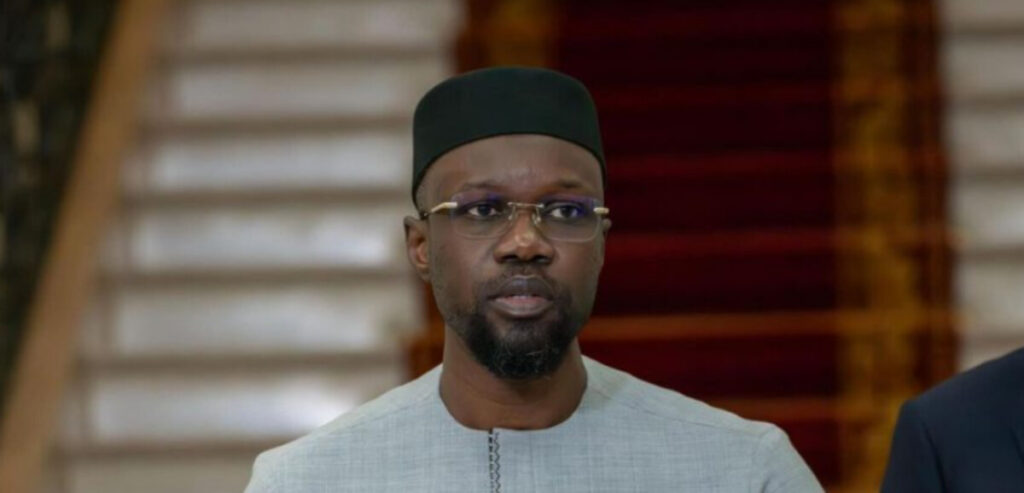
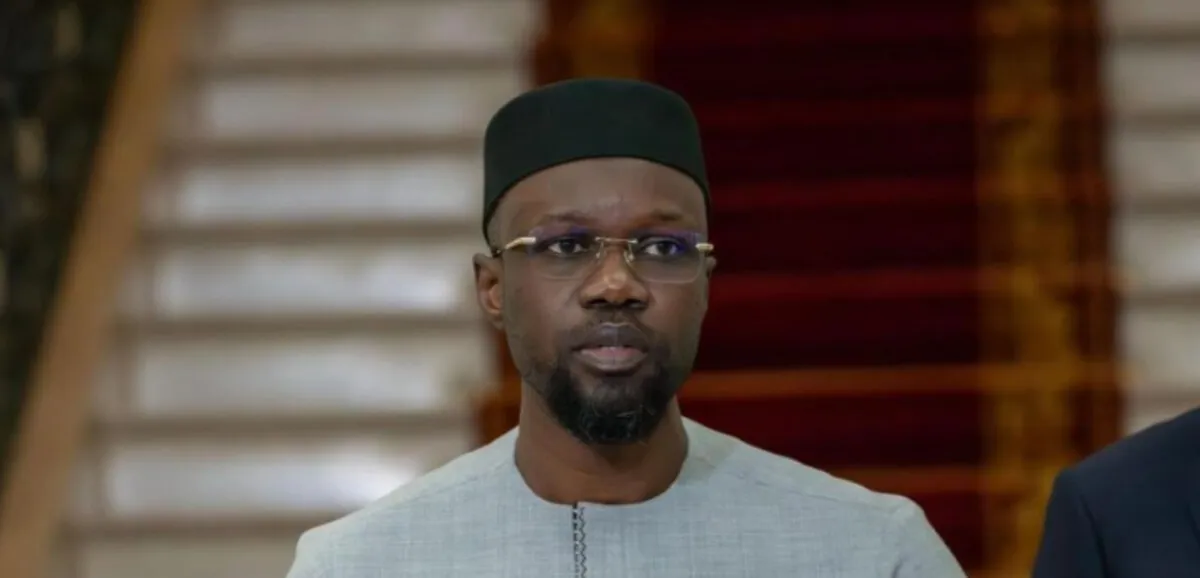
In a firm address to lawmakers on Friday, May 21, Senegalese Prime Minister Ousmane Sonko vigorously defended the country’s recently enacted legislation that toughens penalties for same-sex relations. Speaking at the National Assembly, he rejected outright any external calls for a moratorium on the new law.
Western influence versus national sovereignty
Ousmane Sonko did not mince words when he described the current international pressure on Senegal regarding homosexuality as a form of “tyranny by the West.” During his parliamentary address, he argued that a small group of western nations, leveraging their economic and media dominance, seeks to impose their cultural values on societies with fundamentally different traditions.
The Prime Minister emphasized this point by stating: “While the world population stands at eight billion, a handful of western nations—due to their resources and control over global media—attempt to dictate their will to the rest of humanity.”
Stricter penalties for same-sex relations
Senegal’s new legislation, signed into law by President Bassirou Diomaye Faye on March 31, significantly increases penalties for same-sex relationships. Previously punishable by up to five years in prison, the revised law now imposes sentences of up to a decade behind bars. Sonko made it clear during his speech that the government has no intention of suspending or delaying the implementation of this legislation.
A deeply divisive issue in Senegal
In Senegal, a predominantly Muslim nation in West Africa, discussions about homosexuality remain highly contentious across political, religious, and social spheres. While human rights organizations have sharply criticized the new law, its supporters argue that it better reflects the country’s cultural and religious values. The government maintains that its stance is a matter of national sovereignty, resisting what it perceives as unwarranted foreign interference.