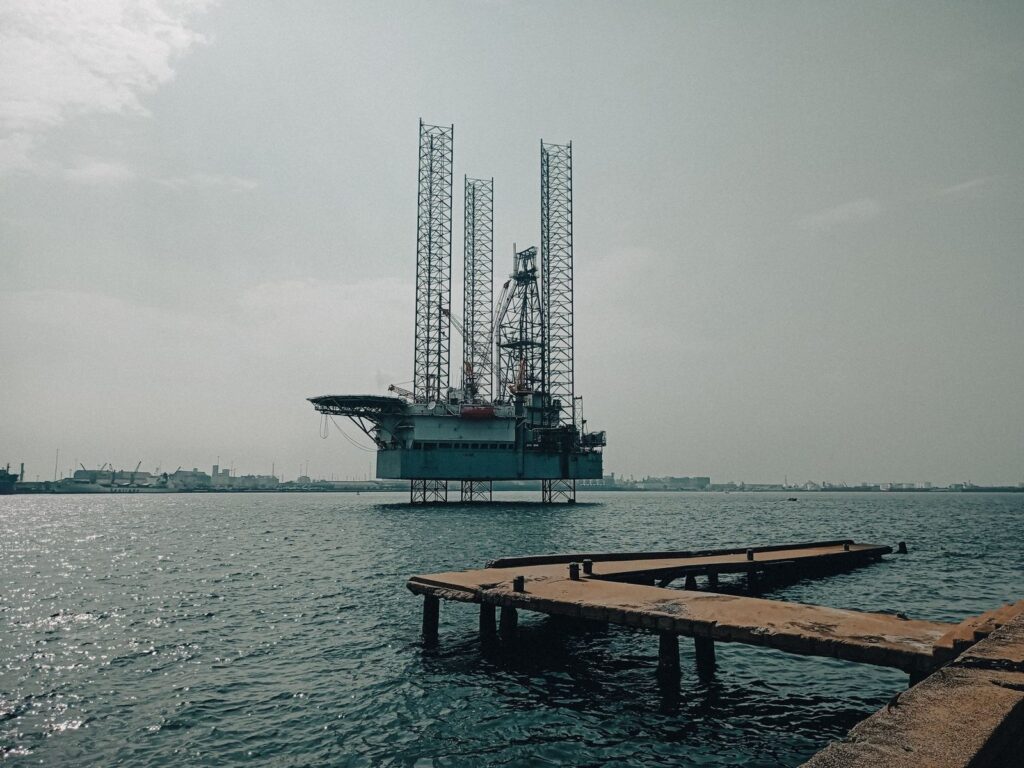
The comeback of Shell in Gabon represents a significant pivot for the nation’s petroleum sector. Ten years after withdrawing from the country, the Anglo-Dutch energy giant is preparing to reinvest in the Gabonese sedimentary basin. This move comes as Libreville intensifies efforts to halt a persistent decline in hydrocarbon output. Announced amidst a wave of reforms following the political transition, the return serves as a powerful signal to the global investment community.
In 2016, Shell finalized its exit from Gabon by offloading its onshore assets to Assala Energy, a firm then backed by the Carlyle group. That multi-million dollar transaction was part of a global strategy to streamline operations and focus on high-yield projects, particularly in liquefied natural gas and deep-water exploration. The departure of such a historic operator left a noticeable void in the local industry.
A strategic political shift for Gabonese oil
This re-entry takes place under the leadership of Brice Clotaire Oligui Nguema, who assumed power during the August 2023 transition and was subsequently confirmed through the electoral process. In recent months, the authorities in Gabon have accelerated initiatives to enhance the attractiveness of the upstream sector. By updating the hydrocarbon code, launching new licensing rounds, and initiating direct talks with major corporations, the government aims to reverse a production trend currently stalled at approximately 200,000 barrels per day—a sharp drop from the peaks seen in the late 1990s.
For Shell, the decision to return is a calculated move. After previously shedding mature assets deemed non-essential, the group is reassessing its footprint across the African continent. As major onshore discoveries become rarer and ultra-deepwater exploration costs remain high, large firms are looking for reliable medium-term growth opportunities. The Gabonese basin, with its untapped potential in deep offshore and pre-salt formations, has once again become a competitive destination for capital.
Revitalizing a declining production landscape
Crude oil remains the primary economic engine for Gabon, accounting for over 40% of the national budget and nearly 80% of total exports. However, the natural depletion of aging fields and a period of investment stagnation have threatened this economic stability. The administration is now counting on the return of industry leaders to drive exploration and extend the commercial life of existing reservoirs.
Several international players have already shown renewed interest in the region. Meanwhile, the national oil firm, Gabon Oil Company (GOC), is taking a more prominent role in asset management as contracts expire or undergo renegotiation. Shell‘s return may involve collaborations with other established local operators, such as Perenco, TotalEnergies, or BW Energy, all of whom have strengthened their offshore positions recently.
A comeback with details yet to be finalized
The specific parameters of the major’s redeployment are still being defined, including the exact blocks involved, the timeline for operations, and the total investment capital. Whether the focus will be on onshore permits or deep-water exploration will dictate the scale of the commitment. A deep offshore strategy would require hundreds of millions of dollars in funding, whereas a focus on mature assets would suggest a more conservative approach centered on production optimization.
Ultimately, Shell‘s return is a litmus test for the credibility of Gabon‘s new energy policy. As Libreville competes for international capital against regional rivals like Nigeria, Angola, Namibia, and Sénégal, its ability to convert these corporate interests into tangible field developments will be crucial. The return of the Anglo-Dutch major is a high-stakes trial for the current administration’s economic vision.
Related industry developments
Tradex is set to distribute 10.5 billion FCFA to its shareholders in 2025. Sonara has allocated 6.5 billion FCFA for risk management through 2029. Meanwhile, Midad Energy is committing 5.4 billion dollars to the Algérie energy sector.

More Stories
Burkina Faso’s shrinking public payroll: a household burden as schools reopen
Simporé’s televised admission: can Burkina Faso’s army still hold the line?
Gabon’s ghost worker purge: can 11 billion CFA francs in savings really reach the people?