Tchad: soaring poultry prices strain Ati’s families and traders
Rising poultry prices in Ati are putting pressure on households, traders, and poultry farmers, threatening local food security and the regional economy. Solutions are urgently needed to restore stability.
The surge in poultry prices is sending shockwaves through Ati, leaving households, traders, and poultry farmers struggling to cope. With purchasing power declining and commercial activities slowing, the rising costs of chicken and Guinea fowl are reshaping daily life in the region.
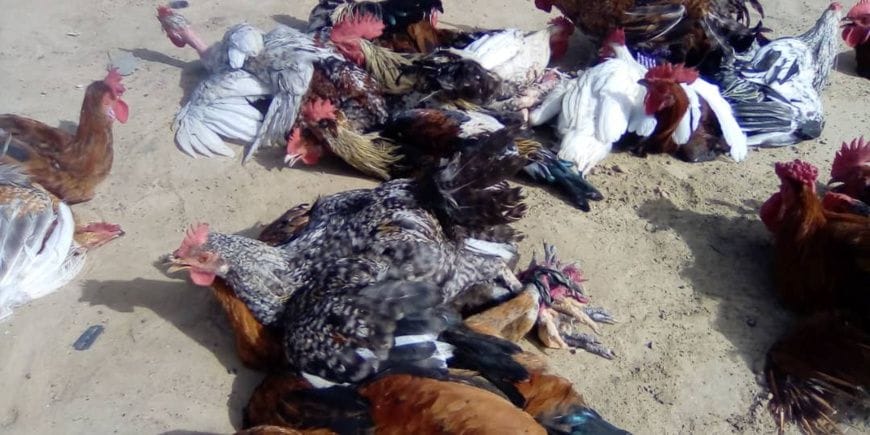
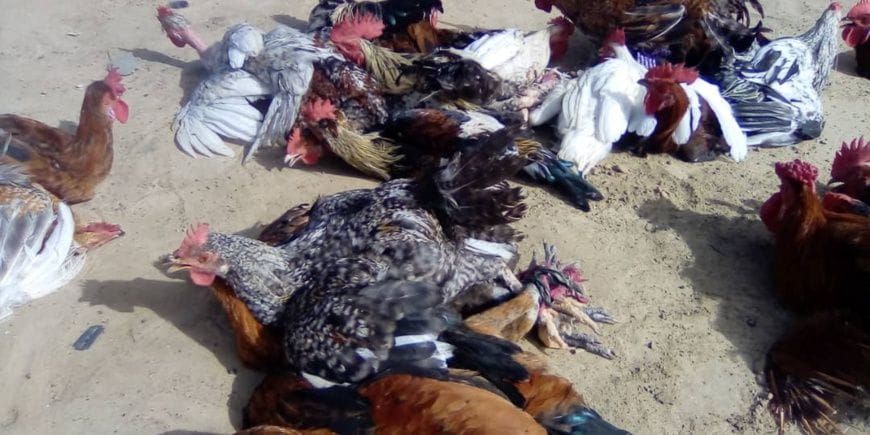
At the central market in Ati, the usual bustle has faded. Customers now linger hesitantly in front of stalls where a handful of chickens and Guinea fowl remain. Within just a few months, poultry prices have skyrocketed, disrupting long-standing dietary habits and squeezing every link in the local poultry supply chain.
Market prices hit record highs
Traders report that what once cost between 6,000 and 8,000 FCFA now sells for 10,000 to 15,000 FCFA, depending on size and season. Smaller birds that previously fetched 1,500 to 2,000 FCFA now command 3,500 to 6,000 FCFA. Guinea fowl and roosters are following the same troubling trend, particularly as religious festivals and family gatherings approach, when demand typically spikes.
Households forced to change diets
For many families, chicken has become a rare treat. The price hike comes at a time when living costs are already climbing, further eroding household budgets. “A few months ago, we could buy chicken every week for the kids,” says Amina Mahamat, a mother of five at the market. “Now, it’s a once-in-a-blue-moon luxury. We’re cutting back and eating cheaper foods instead.”
This shift is taking a toll on nutrition. Poultry has long been a primary source of animal protein for countless families in the region, but rising prices are pushing consumers toward less nutritious alternatives.
Traders see sales plummet
For vendors, higher prices don’t translate into higher profits. Customers are buying less, and stalls remain half-empty. “Even when we raise prices, our earnings don’t go up,” says Issa Hassan, a poultry seller with a decade of experience. “People come, look, and leave without buying. It’s getting harder every day.”
Restaurants and grilled-meat vendors are also feeling the pinch. To stay afloat, many have raised meal prices or reduced portion sizes, risking a further loss of customers.
Poultry farmers face mounting costs
While consumers lament the prices, poultry farmers point to their own struggles. Feed, veterinary supplies, and transport costs have all surged. Add to that the seasonal scarcity of grazing land, water shortages, and outbreaks of disease that can wipe out entire flocks. “Our costs keep climbing each month,” says Abakar Abdoulaye, a local poultry farmer. “We have to charge more just to break even, but that doesn’t mean we’re making a profit.”
A strain on the local economy
The impact extends beyond families and traders. Truck drivers, feed suppliers, restaurateurs, and small shopkeepers are all seeing their livelihoods shrink. Some estimates suggest poultry sales have dropped by 20 to 30% compared to the same period last year, though official data is still pending.
Economists warn that when consumption falls, the ripple effects are felt across the entire local economy, from household incomes to small-business revenues.
Calls for urgent action
Local leaders and farmers are urging authorities and development partners to step in and support the poultry sector. Proposed solutions include:
- More affordable access to poultry feed;
- Stronger veterinary services and vaccination campaigns;
- Easier financing options for small-scale farmers;
- Technical support to boost local production.
These measures could help increase supply, stabilize prices, and safeguard food security in the Batha region.
A growing concern
The poultry price surge in Ati is a stark reminder of the challenges families face amid rising living costs. Without lasting solutions, the situation risks deepening poverty and stalling local economic growth. For many residents, accessing nutritious food is becoming a daily struggle—making price control for essential goods a top priority for both local and national leaders.



More Stories
Burkina Faso’s shrinking public payroll: a household burden as schools reopen
Can a Tripoli-Yaoundé air link take off without a clear aviation roadmap?
Can Burkina Faso’s security strategy hold after the JNIM’s Silmossin claims?