
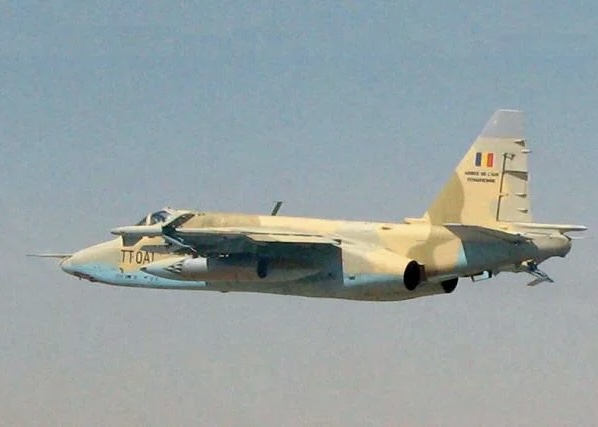
Nigerian fishermen are feared dead after Chad’s military launched airstrikes targeting Boko Haram bases on several islands in Lake Tchad, which extends into Nigerien territory. The operation follows a recent assault by the armed group on Chadian military positions.
escalating violence on lake Tchad
Since Friday, the Chadian Air Force has conducted aerial bombardments on remote islands in Lake Tchad, alleging they harbor Boko Haram fighters. These strikes come in response to a prior attack by the extremist group on Chad’s armed forces. However, the operation has inadvertently affected local fishermen who rely on the lake’s resources for their livelihood.
Witnesses, including members of anti-jihadist self-defense groups, report that dozens of Nigerian fishermen have been missing or killed since the strikes began. The vast wetlands of Lake Tchad, shared by Nigeria, Cameroon, Niger, and Chad, have long been a flashpoint for insurgency. Both Boko Haram and the Islamic State’s West Africa Province (ISWAP) have exploited the region’s isolation to establish strongholds.
impact on local fishing communities
Local fishing syndicates confirm that at least 40 fishermen are unaccounted for, with many feared drowned in the aftermath of the bombings. Survivors from Doron Baga, a Nigerian lakeside town, and Taraba State describe harrowing scenes of destruction. Fishermen in the area had historically paid jizya (protection taxes) to Boko Haram to access the fish-rich islands, a grim necessity for survival in the conflict zone.
«The bombings struck the remote island of Shuwa, a known Boko Haram stronghold and a major fishing hub where Nigerian, Nigerien, and Chadian fishermen converge,» shared Adamu Haladu, a fisherman from Baga. «The strikes were indiscriminate—innocent civilians bore the brunt.»
history of unintended civilian casualties
This is not the first incident where Chadian airstrikes have resulted in collateral damage. In October 2024, retaliation strikes on Tilma Island, targeting Boko Haram, allegedly killed dozens of Nigerian fishermen. The Chadian military denied targeting civilians, though eyewitnesses disputed this claim. Such recurring incidents underscore the challenges of counter-insurgency operations in the region’s porous, waterlogged terrain.
regional instability and humanitarian crisis
The Boko Haram insurgency has claimed over 40,000 lives and displaced two million people in Nigeria’s northeast alone, per UN reports. The conflict has spilled into neighboring Niger, Cameroon, and Chad, exacerbating regional instability. In 2015, the four nations revived the Multinational Joint Task Force (MNJTF), formed in 1994, to combat jihadist groups around Lake Tchad. However, Niger withdrew from the coalition in 2025 due to escalating tensions among member states, further weakening the collective fight against terrorism.
The lake’s strategic importance—both as a resource and a battleground—continues to draw global attention. As militaries grapple with balancing security and civilian safety, local communities remain trapped in the crossfire.


More Stories
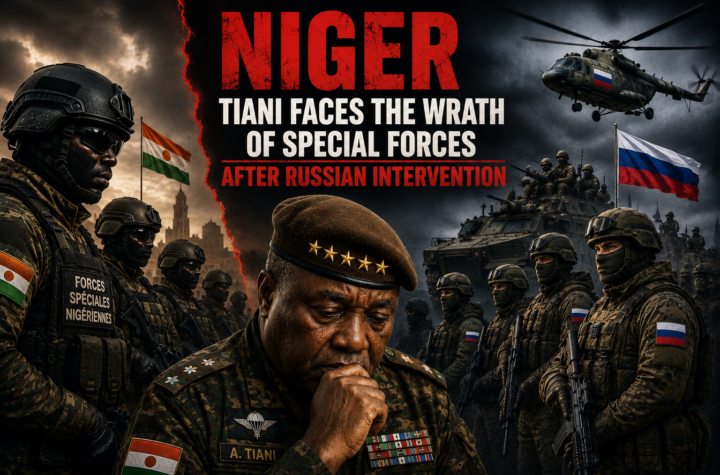
Niger: Tiani faces fallout from special forces anger after Russian intervention
Mali : 17 morts dans les rangs des dozos, le JNIM accentue sa pression
Sahel : le pari des juntes tourne-t-il à l’échec sécuritaire ?