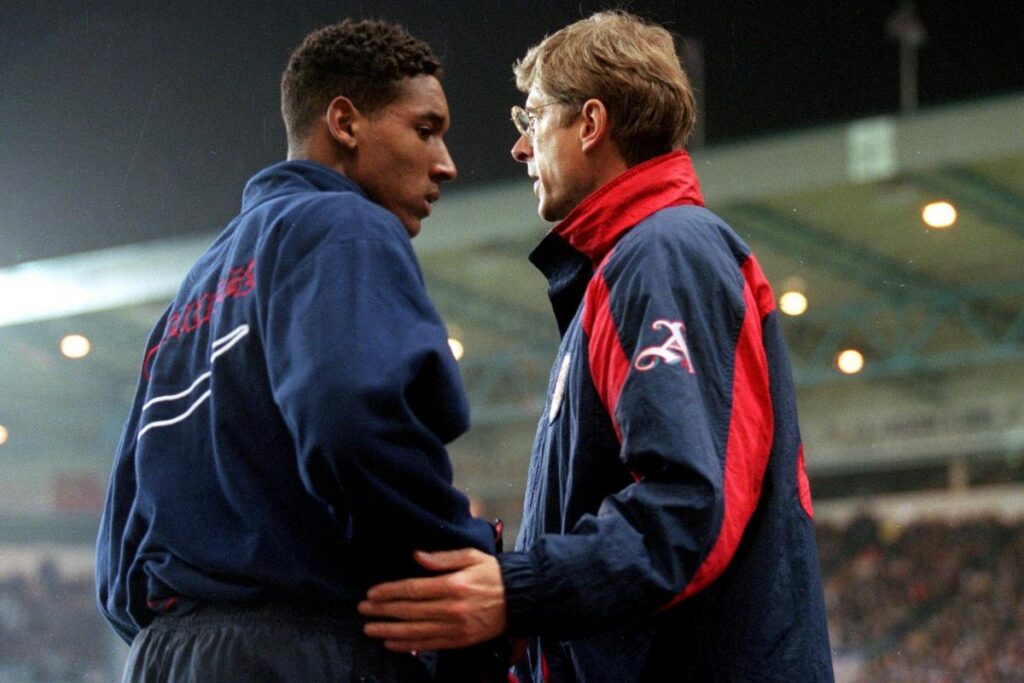
the explosive 1997 transfer of nicolas anelka from psg to arsenal
in february 1997, a 17-year-old nicolas anelka shocked the football world by moving from Paris saint-germain to arsenal, sparking a legal and media storm.
On february 22, 1997, michel denisot, then deputy president of Paris saint-germain, stood before the press with a carefully crafted statement. «There are no winners or losers,» he declared, announcing the transfer of teenage striker nicolas anelka to arsenal for six years. The french club had secured 5 million francs (equivalent to about €1.19 million today), but the 17-year-old’s leap from a monthly salary of 3,800 francs (€901) to a staggering 500,000 francs (€119,000) across the channel made it clear who had come out on top.
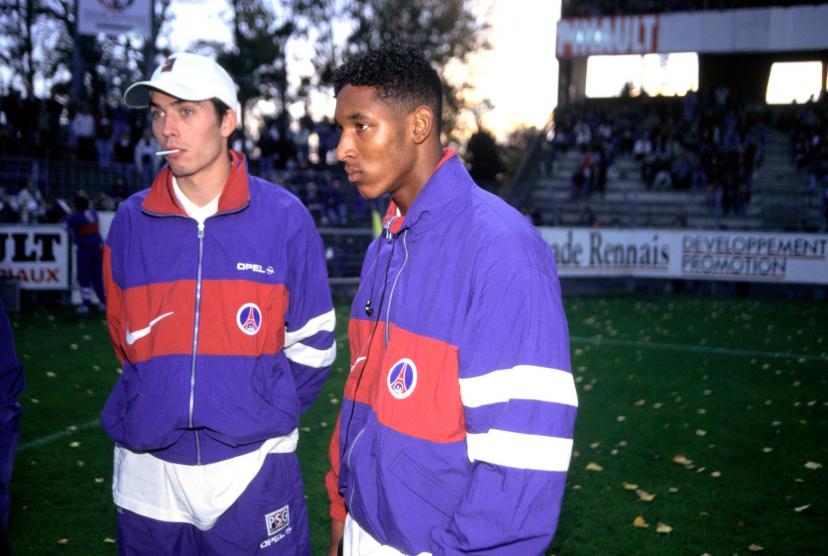
anelka had already made his ligue 1 debut for psg in february 1996, coming on as a substitute against monaco. By september of that year, his performance against lens—where he scored and provided an assist in a 4-0 victory—had convinced coach ricardo to declare: «You wanted a joker? You’ve got one.»
the tension that led to an unprecedented move
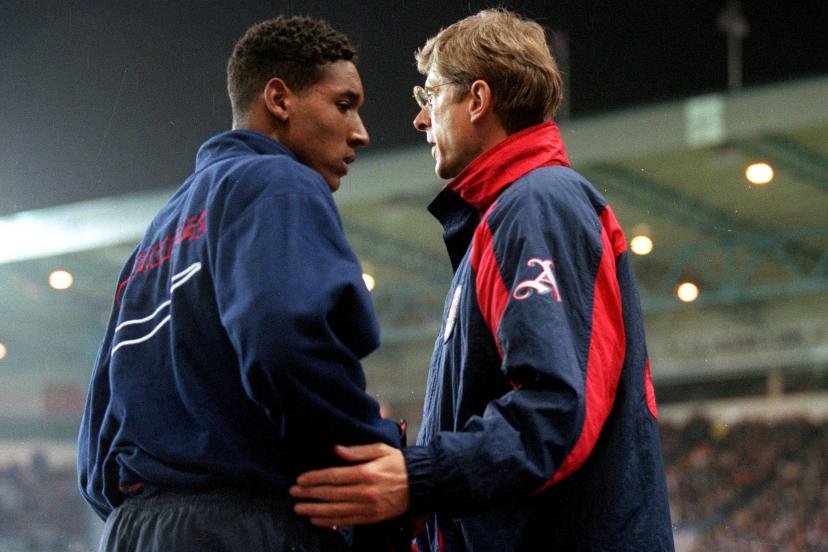
Despite his early promise, anelka found himself sidelined at psg in the 1996-97 season. With limited game time—just eight appearances and no starts in ligue 1—and the arrival of striker cyrille pouget on loan from servette fc, he felt the club no longer trusted in his development. The final straw came in december 1996, when the arrival of pouget was seen as a vote of no confidence in anelka’s future.
On january 11, 1997, anelka and his father met with jean-michel moutier, sporting director of psg, to inform him of the teenager’s intention to leave in june when his aspirant contract expired. arsenal, impressed by his talent, moved quickly. arsène wenger, the club’s manager, had already met with anelka during the winter break and toured the london club’s facilities.
On january 13, david dein, arsenal’s vice-president, sent a fax to psg stating: «In accordance with international regulations, we will be contacting your player nicolas anelka.» The next morning, at a hotel in Paris’s 16th arrondissement, anelka and his father signed a six-year contract with arsenal, effective july 1.
a legal and media battle erupts
The news broke in le parisien on january 15, sending shockwaves through the football world. anelka was dropped from the squad for the european super cup match against juventus that evening and sent back to his apartment in saint-germain-en-laye. denisot condemned the player’s «rarely seen rudeness», excluding him from the first team and threatening to loan him to servette fc until the end of the season.
The french football authorities, led by noël le graët, president of the ligue nationale de football, intervened. le graët demanded that the fff refuse anelka an exit permit, citing a french rule requiring young players to sign their first professional contract with their training club. The move was seen as an attempt to block the transfer under domestic regulations.
arsène wenger refused to back down. «European laws reassure me,» he stated. «We are acting within the law. While there is a french regulation requiring clubs not to approach players before they sign their first professional contract, it has no jurisdiction beyond France’s borders.»
He cited the bosman ruling, the landmark 1995 european court of justice decision that allowed players to leave clubs for free at the end of their contracts. «At the end of a contract, a player is free to go wherever they want without compensation. Anelka can join arsenal in june when his aspirant contract expires, and no one can stop him,» wenger argued.
The dispute reached the fifa after the lnf filed a complaint. sepp blatter, fifa’s secretary-general, weighed in, criticizing the french stance: «The french seem concerned about the departure of their young players. Yet they don’t seem as troubled when young players from africa or south america leave for european giants. At 16, young players should have the opportunity to join big clubs to build their careers and reputations.»
a transfer sealed under pressure
As the fifa hearing loomed, both clubs faced the prospect of a lengthy and uncertain legal battle. Instead, psg and arsenal reached a settlement in less than 48 hours. denisot later reflected: «There was a gap in the system. It wasn’t a pleasant moment for either club. It turned out both sides had the right to act as they did. The noise at the time came because a great player was leaving for free at the end of his training. Nicolas was young. With ricardo, we wanted to take him as far as possible while protecting him. But he wanted to leave. That’s how it was. We had very little room for maneuver.»
The transfer, completed in february 1997, marked a turning point in football transfers, highlighting the power of european law over domestic regulations and setting a precedent for future moves.
anelka’s legacy at arsenal
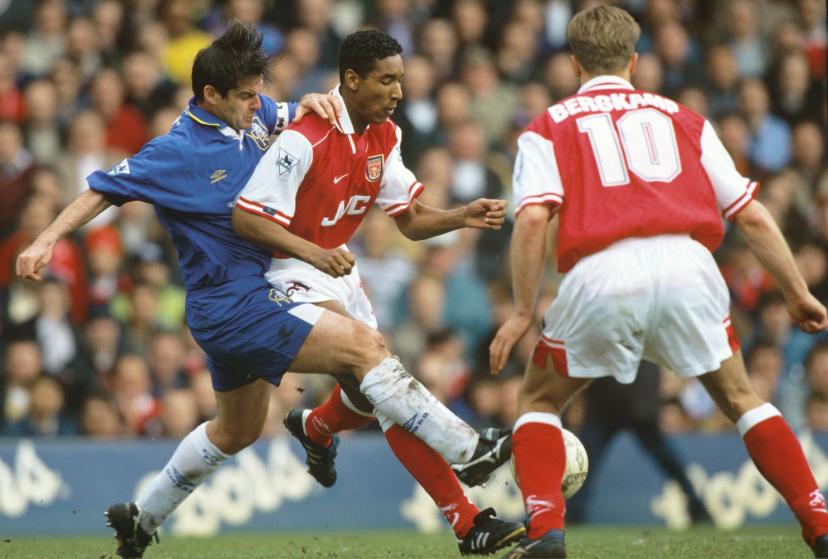
While anelka made just four appearances in his first season at arsenal—blocked by dennis bergkamp and ian wright—he flourished in the following campaigns. In 1998-99, he became the first non-british player to win the premier league young player of the year award, a testament to his rapid development. His time in london, though, was short-lived. In 1999, he joined real madrid for a then-record fee of 220 million francs (€51.6 million), a move that mirrored his contentious exit from psg.
denisot, who later became president of la berrichonne de châteauroux, maintained a positive relationship with wenger. «I got on well with arsène. Later, when I was president at châteauroux, I handled the transfer of gilles sunu to arsenal smoothly. As a fun fact, I even took david dein’s son on an internship at canal+ when I was sports director there.»