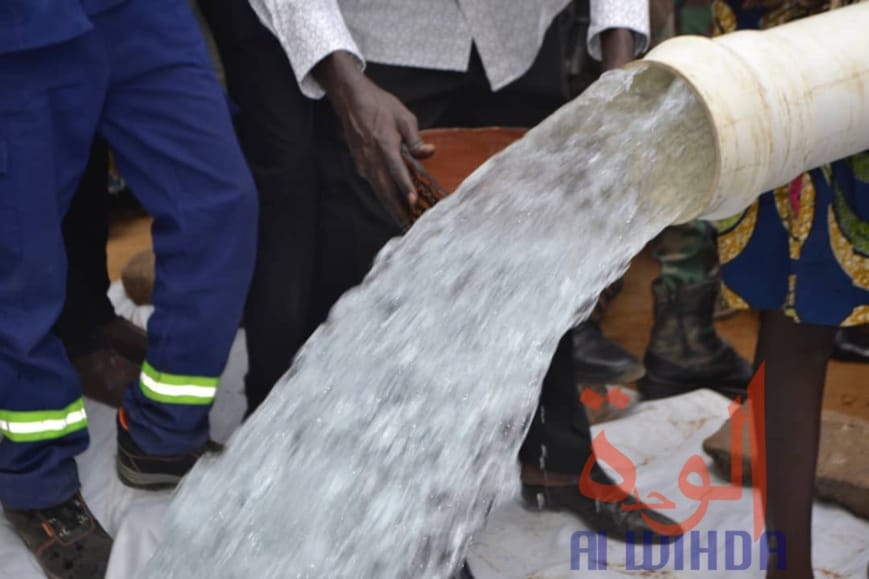
World Bank allocates $160 million to bolster water access and climate resilience in Chad
The World Bank has committed $160 million to enhance water security and climate resilience in Chad’s most vulnerable regions, directly benefiting one million people—over half of whom are women.
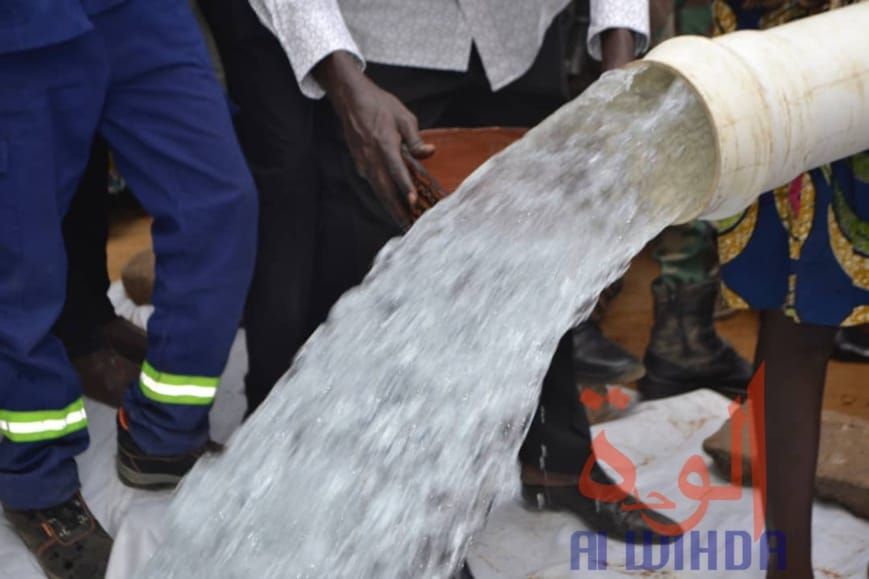
Strategic investment to address water scarcity and climate challenges
This initiative, backed by the International Development Association (IDA), aims to mitigate the impact of climate shocks in provinces plagued by water scarcity, environmental degradation, and mass displacement. The Water and Climate Resilience Support Project (PASER) will prioritize sustainable resource management, local capacity building, and infrastructure upgrades tailored to withstand extreme weather events.
Key objectives include:
- Expanding access to reliable water sources in drought-prone and flood-affected zones
- Strengthening agricultural productivity through climate-smart techniques
- Reducing conflicts over natural resources by fostering equitable distribution
- Supporting economic opportunities for host and refugee communities
A lifeline for communities under pressure
With over 1.3 million Sudanese refugees seeking shelter in eastern Chad, the strain on local resources has intensified. Farouk Mollah Banna, the World Bank’s Resident Representative in Chad, emphasized the project’s role in restoring stability: “In a region where water scarcity and resource competition fuel tensions, this initiative will not only secure water access but also rebuild hope for the future.”
The project’s design aligns with Chad’s National Development Plan (Chad Connexion 2030 – Programme 15), shifting focus from humanitarian aid to long-term resilience-building. Half of the funding—$80 million—comes from the Window for Host Communities and Refugees (WHR), reflecting a commitment to inclusive growth.
Measurable impact and inclusive growth
The initiative will reach approximately one million people, with women comprising 50.6% of beneficiaries. Coverage spans refugee-hosting provinces, the capital N’Djamena, and other high-risk areas. Hawa Cissé Wagué, the World Bank’s Acting Country Director for Chad, underscored its broader significance: “This operation demonstrates how development investments can become instruments of peace and stability in some of the world’s most fragile settings.”