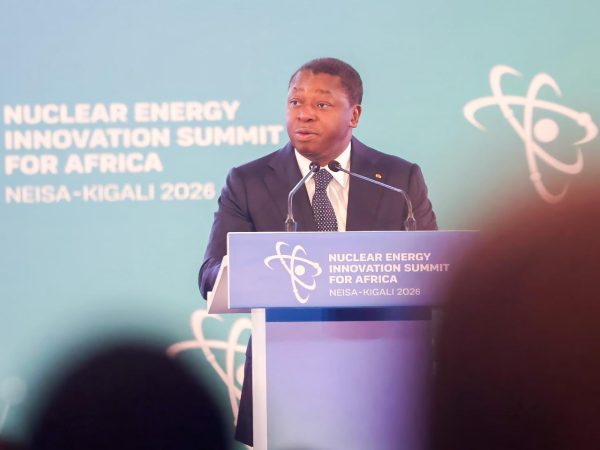
Kigali, May 20, 2026 — The second edition of the Nuclear Energy Innovation Summit for Africa (NEISA 2026) wrapped up in the polished halls of the Kigali Convention Centre, where energy urgency and industrial ambition collided. Heads of state, nuclear technology experts, investors, and global partners gathered on May 19, 2026, to reimagine Africa’s energy trajectory at a time when the continent’s future hinges on reliable, scalable power.
Togo’s bold stance on energy sovereignty at NEISA 2026
Among the distinguished delegates, Faure Essozimna Gnassingbé delivered a powerful message on behalf of Togo: Africa can no longer settle for patching up today’s energy shortages—it must now lay the foundation for tomorrow’s economic transformation.
In his address, the Togolese leader underscored the urgent need for African nations to align their energy strategies with industrialization goals, population growth, and the rapid expansion of digital economies. Behind the summit’s technical discussions lies a shared conviction across the continent: without stable, cost-effective, and sustainable energy, Africa’s industrial ambitions risk stalling before they even begin.
Nuclear energy: Africa’s next frontier in power and progress
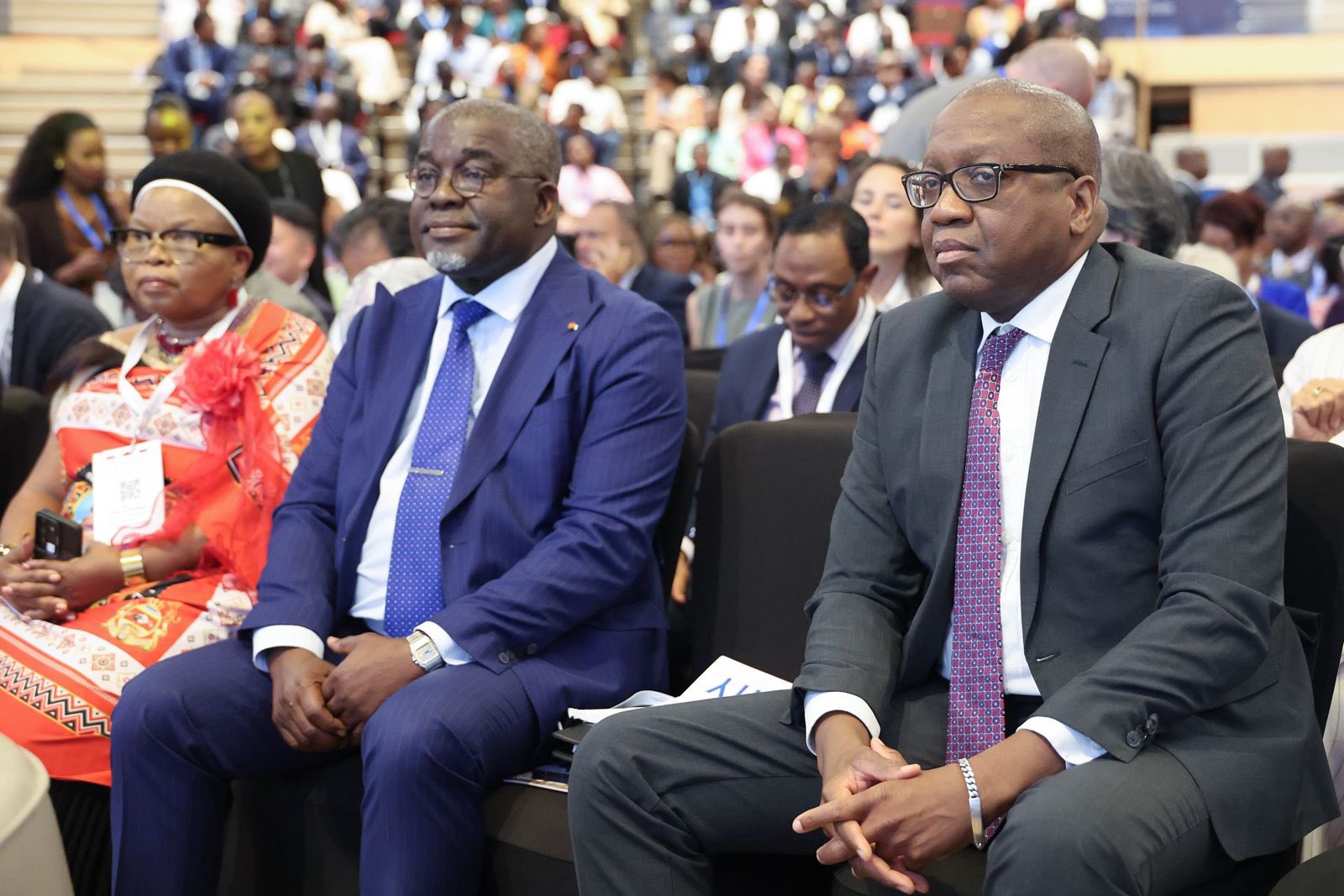
At NEISA 2026, civil nuclear energy emerged as a cornerstone of Africa’s energy debate. Once viewed as an unattainable luxury due to prohibitive costs and technical barriers, nuclear power is now being reconsidered as a viable pillar of the continent’s energy mix.
Delegates emphasized that the discussion extends beyond mere electricity production. For many, nuclear energy represents a pathway to greater industrial competitiveness, enhanced energy security, and true energy sovereignty. Togo, in particular, advocates for a strategy built on innovative partnerships, diversified energy sources, and strengthened regional cooperation.
A Togolese vision: cooperation, innovation, and energy independence
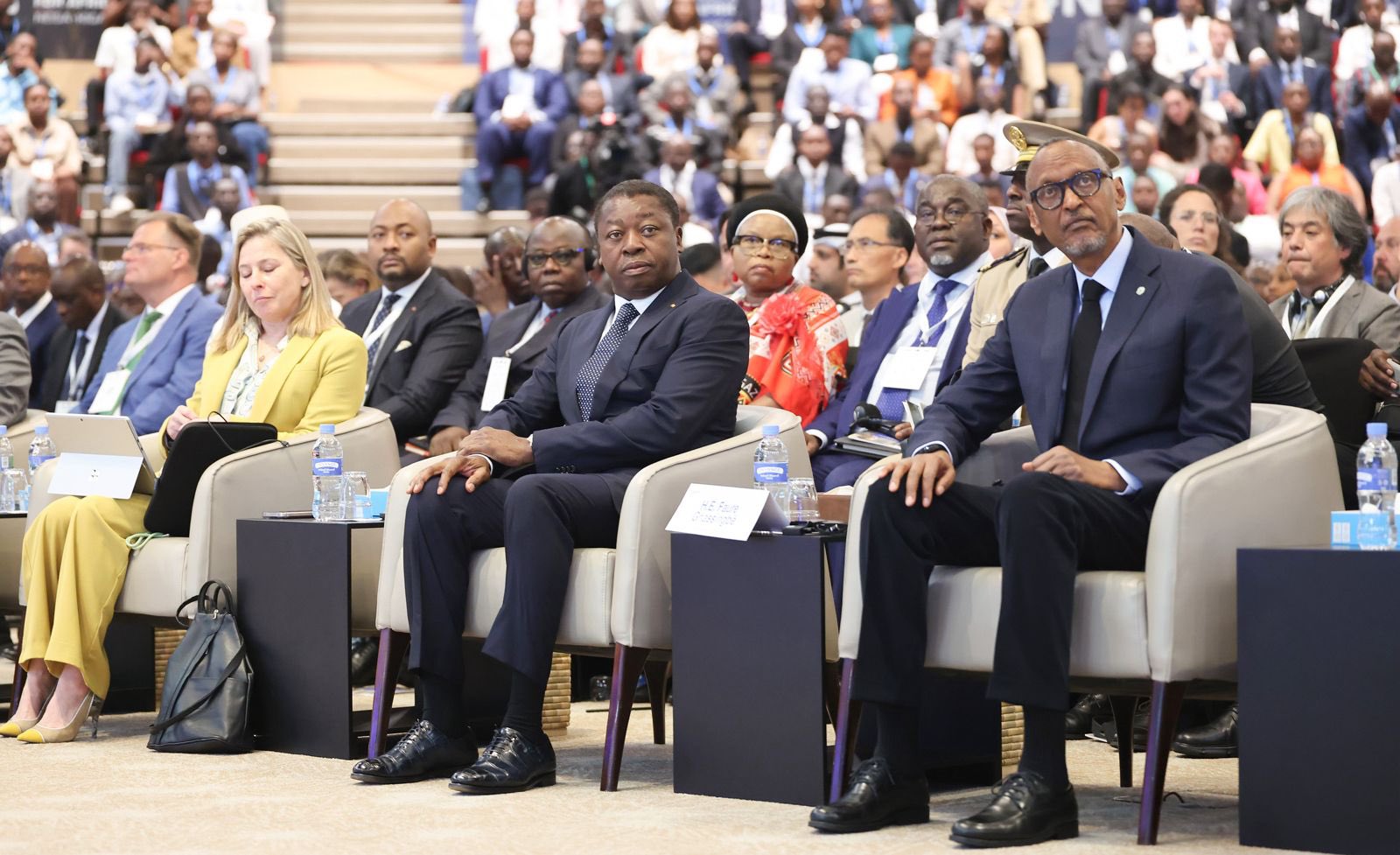
The vision articulated by Faure Essozimna Gnassingbé in Kigali is part of a broader movement: positioning energy access as a catalyst for economic transformation. Togo is positioning itself at the forefront of this shift, seeking international collaborations that bring technical expertise, financing, and cutting-edge innovation.
While nuclear energy took center stage, the summit also tackled critical themes such as energy infrastructure development, smart grids, financing for energy transitions, and local skills training. These are not abstract debates—they are strategic imperatives for African economies facing soaring energy demand amid rapid technological and demographic change.
Kigali summit signals a new era of African energy leadership
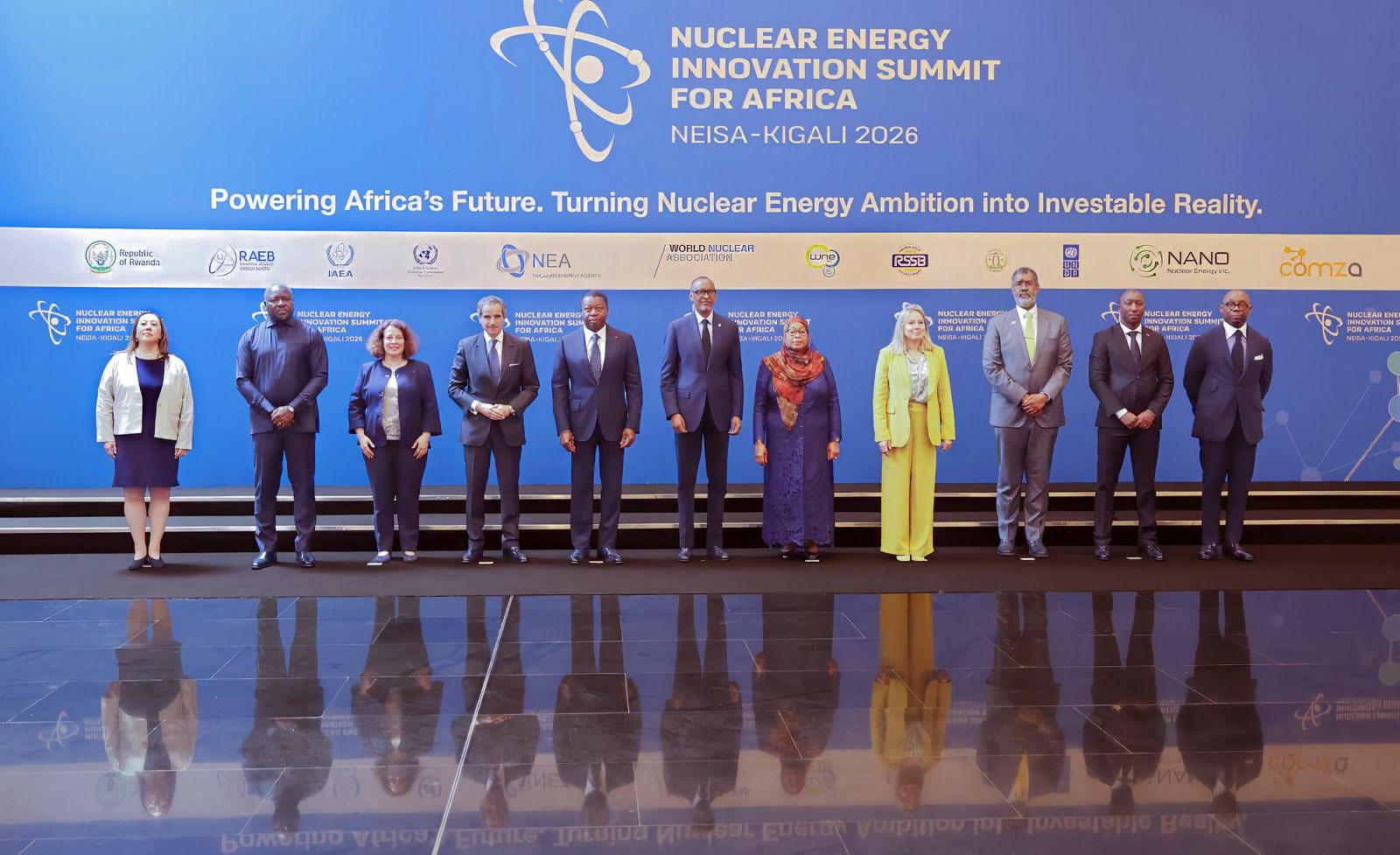
Within the walls of NEISA 2026, the conversation was unmistakably forward-looking. For participating leaders, preparing Africa’s energy future means investing today in long-term solutions that can sustain the continent’s competitiveness in a fast-evolving global landscape.
Togo used the platform to signal its commitment to this continental agenda. From deepening African cooperation to pursuing energy autonomy and embracing innovation, the summit underscored a pivotal shift: Africa is increasingly determined to chart its own course toward energy sovereignty.