After the Mistral’s departure from Dakar: reactions, debates and the road ahead for Franco-Senegalese defence ties
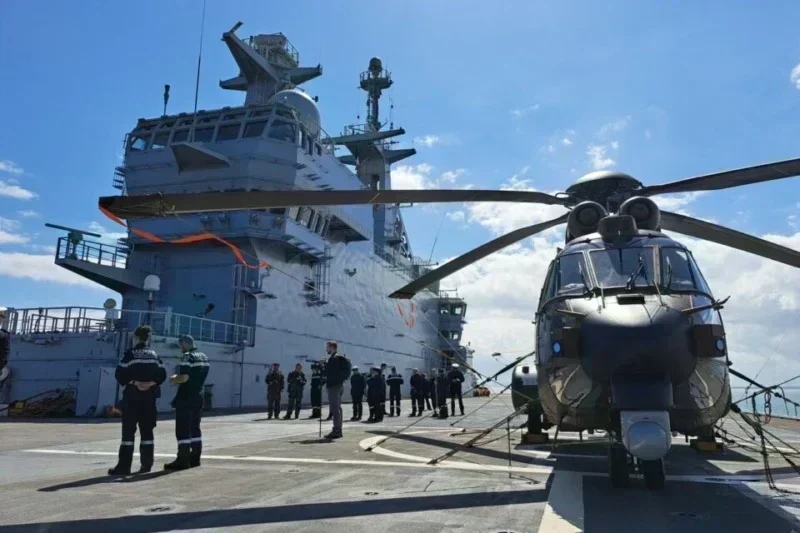
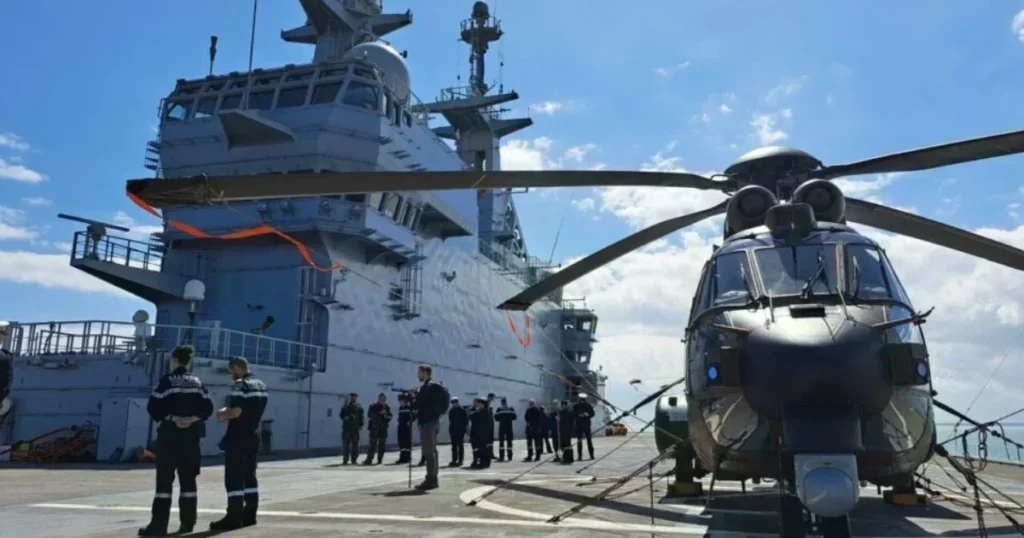
The French amphibious helicopter carrier Mistral has just wrapped up a five-day stop in Dakar, and the visit has triggered a wave of reactions and debate about the future of military cooperation between France and Senegal.
The Mistral arrived in Dakar on 2 October 2026 and departed on 6 October, leaving behind a mix of operational accomplishments and lingering questions. During its stay, French and Senegalese forces conducted joint land and sea activities, alongside expertise-sharing sessions. This port call came just over a year after French troops permanently left Senegal, making the Mistral’s presence a symbolic test of the new, more balanced partnership that Senegalese authorities say they want.
What the five-day visit actually involved
The Mistral is one of the French Navy’s flagship vessels. This amphibious ship can carry helicopters, troops and vehicles, and is built for operations that combine land, air and sea capabilities. Its stop at the port of Dakar fell under the framework of cooperation activities between the armed forces of both countries.
Throughout its stay, French and Senegalese military personnel took part in several operational activities and expertise exchanges. A large part of the programme focused on land tactics. Exercises were not confined to the capital: units from both armies carried out joint movements between Dakar and the Mont-Rolland training centre in the Thiès region. That site, used for troop training and instruction, hosted a portion of the land-based activities planned during the port call.
Maritime drill and academic exchanges
The maritime component also played a significant role. A naval exercise was planned to maintain the two navies’ shared capacity for coordination and intervention at sea. This type of manoeuvre tests crews’ ability to operate together in a zone where coastal surveillance, the fight against trafficking and navigation safety remain major stakes.
The visit also had an academic dimension. The programme included meetings and cohesion activities with the Armed Forces Health Service, the Higher War School and the Staff College. Reciprocal visits to operational centres were also on the agenda, allowing officers from both countries to discover how their counterparts work.
As a reminder, since the handover of the last French military bases to the Senegalese state in July 2025, France no longer has a permanent base in the country. Military cooperation between the two nations nevertheless continues in the form of occasional activities like this one: joint exercises, training and expertise exchanges, conducted within a relationship that Senegalese authorities now want to be more balanced.
Reactions and what comes next
The Mistral’s visit has reignited public debate in Senegal about the nature of the country’s military ties with its former colonial power. Some observers see the exercises as a pragmatic way to maintain operational readiness and benefit from French expertise, while others question whether such cooperation truly reflects the break that followed the French withdrawal.
For now, neither government has announced any new permanent arrangement. The Mistral’s stop appears to be part of a broader effort to keep channels open without returning to the old model of a standing French military presence. What happens next will likely depend on how both sides manage expectations—Senegal’s demand for a more equal partnership and France’s desire to retain influence in a strategically important region.
The five days in Dakar may be over, but the conversations they sparked are far from settled. For Senegal, the challenge is to ensure that future cooperation serves its own security priorities. For France, the task is to adapt to a new era in which its military role in West Africa is no longer taken for granted.
- Libération
- Le Dakarois
- La Voix +
- L’As
- Dakar Times
- Le Dakarois Sport
- Source A