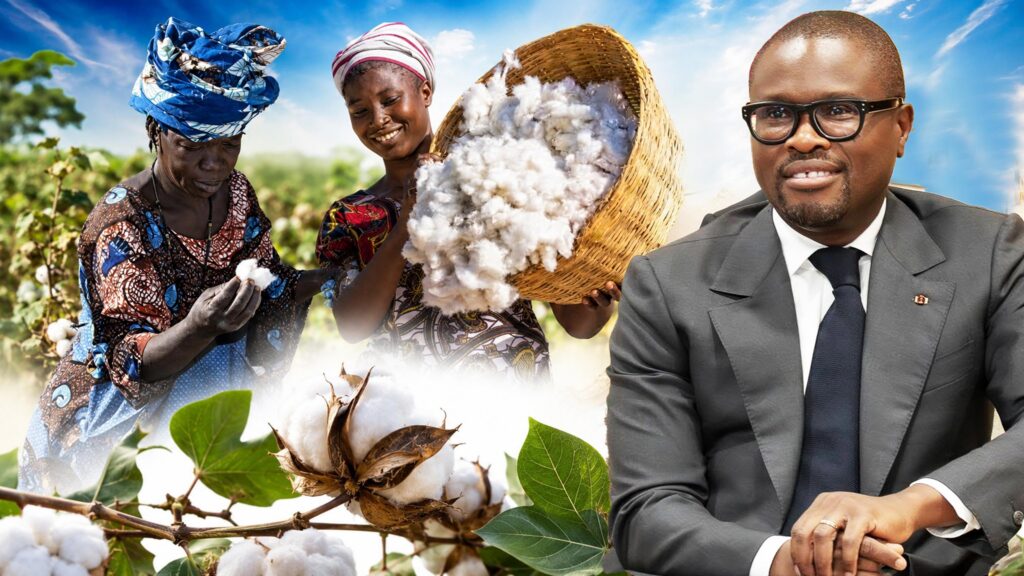
In a bold move set to reshape the agricultural landscape of West Africa, the government of Bénin has introduced an unprecedented incentive for cotton producers. Starting with the 2026-2027 growing season, farmers will receive an additional 10 FCFA per kilogram of cotton produced—provided the nation achieves a collective output of at least 700,000 metric tons.
Shifting from aid to performance-driven agriculture
Historically, many African nations have relied on unconditional agricultural subsidies to support farmers. While these measures have provided short-term relief, they have often fallen short in driving productivity or fostering modernization within the sector. Bénin’s new approach marks a decisive departure from this model by tying public support directly to measurable outcomes.
This conditional incentive is designed to align the interests of individual producers with national economic ambitions, particularly in strengthening agricultural sovereignty and enhancing export competitiveness. The message is clear: subsidies must deliver tangible results, not merely financial assistance.
Fostering collective responsibility and sustainable growth
This performance-based strategy is expected to yield multiple benefits for the cotton sector:
- Enhanced collaboration: The success of each farmer is now tied to the performance of the entire sector, encouraging knowledge-sharing, mutual support, and collective vigilance against challenges such as the illegal export of inputs to neighboring countries.
- Greater accountability: Producers are no longer passive recipients of aid but active participants in the nation’s economic progress, incentivized to adopt best practices and maximize their output.
Key objectives for the 2026-2027 cotton campaign
- Conditional premium: An extra 10 FCFA per kilogram of cotton produced, contingent upon reaching the national production target.
- National production goal: A minimum of 700,000 metric tons of cotton to unlock the incentive.
- Expected impacts: Increased rural household incomes, a strengthened position in Africa’s cotton export market, and a more efficient use of public funds with measurable returns for the state.
A potential model for the region
Cotton remains a cornerstone of Bénin’s economy, underpinning export revenues and sustaining millions of livelihoods across the country. By prioritizing performance over perpetual assistance, the government is signaling a new era for African agriculture—one where efficiency, innovation, and collective effort drive growth.
However, the journey ahead is not without challenges. Achieving the 700,000-ton target will require favorable climatic conditions, reliable access to agricultural inputs, and the unwavering commitment of producers to meet this ambitious collective goal. Success would not only reward farmers but also invigorate the nation’s export economy.
The stakes are high, but so are the rewards. Bénin’s bold experiment could serve as a blueprint for other countries seeking to transform their agricultural sectors through performance-based incentives.