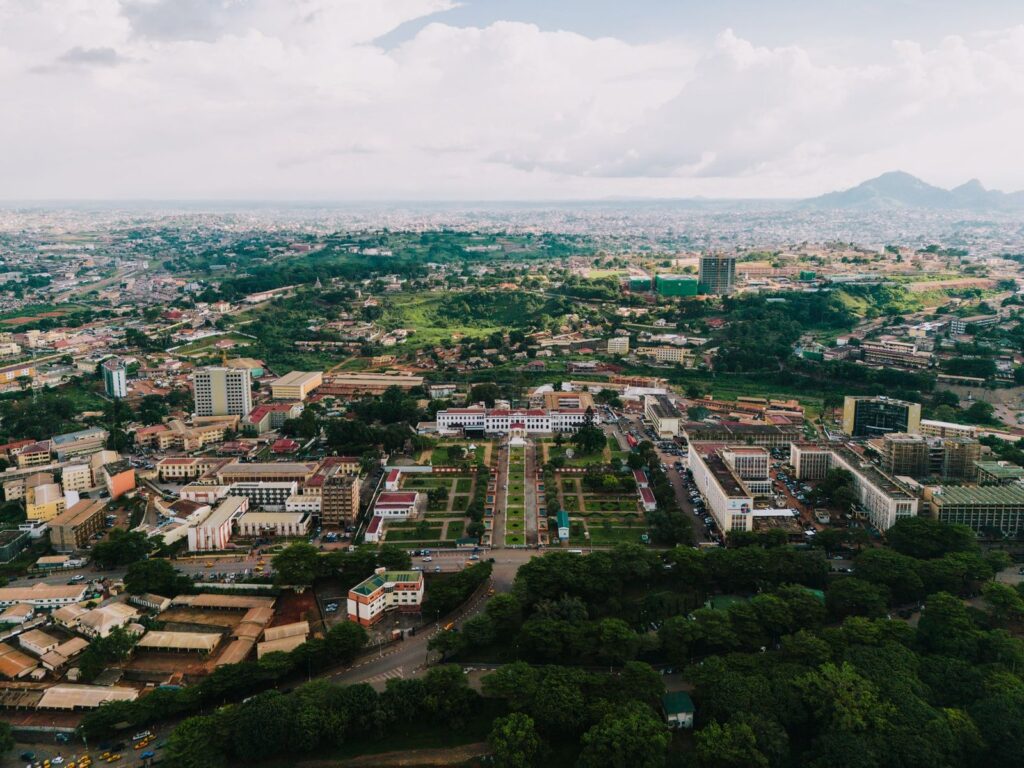
The second ordinary session of the year for the parliament of Cameroun commenced on June 9, centering on the critical budget orientation debate. Members of the National Assembly and the Senate are tasked with outlining the 2027 financial framework during a period of significant economic tension, characterized by dwindling public revenue and political ambiguity. This legislative exercise is under intense scrutiny as the executive branch finds it increasingly difficult to meet the targets set in the 8,800 billion CFA franc 2026 finance law.
Budgetary discussions limited by cash flow challenges
In the legislative process of Cameroun, the budget orientation debate serves as a pivotal moment where the government presents its macroeconomic goals for the upcoming year. This year, however, the proceedings in Yaoundé are marked by a tightening of financial flexibility. This squeeze is the result of tax collection falling short of targets and a growing debt service burden that is straining the nation’s overall economic balance.
The current 2026 budget, valued at approximately 13.4 billion euros, is proving to be an elusive target. Consequently, authorities are expected to introduce an amended finance bill to recalibrate initial assumptions. This corrective measure will likely involve reducing specific spending lines to better reflect the actual revenue collected during the first half of the year.
Impact of political stagnation on administration
Beyond technical hurdles, a significant political variable looms over the proceedings. For half a year, rumors of an imminent cabinet reshuffle have circulated in Yaoundé without coming to fruition. This prolonged state of anticipation has led to a sense of inertia within the administration, slowing down decision-making processes across various ministries. Economic stakeholders have also adopted a cautious stance, delaying major investments until the new executive lineup is clarified.
This administrative standstill has had a direct impact on budget execution. Numerous infrastructure initiatives, reliant on external funding, are facing delays because the necessary national counterpart funds are not being disbursed on time. For international financial partners, these delays raise concerns regarding the government’s ability to implement the reforms agreed upon under the International Monetary Fund program.
Regional financial implications and economic stability
As the primary economy within the Central African Economic and Monetary Community (CEMAC), Cameroun plays a vital role in the sub-region’s macroeconomic health. Any instability in its public finances has a direct effect on the shared foreign exchange reserves managed by the Bank of Central African States (BEAC). Given that the country accounts for nearly 40% of the zone’s gross domestic product, its fiscal choices have consequences that reach far beyond its own borders.
Legislators must also navigate a volatile global environment. Oil prices, which remain a cornerstone of state revenue, are subject to significant fluctuations. Furthermore, the domestic production of hydrocarbons is seeing a structural decline, making the need to diversify the tax base more urgent than ever. This debate may provide an opportunity to revisit the modernization of tax administration and the expansion of the taxable population—two long-standing goals that have yet to be fully realized.
Ultimately, the expectations of the parliament may clash with the realities of the political calendar. Many elected officials are questioning the feasibility of a three-year fiscal plan when the future composition of the government remains unclear. Within the halls of the National Assembly, this session is largely viewed as a transitional period, focused more on immediate tactical adjustments than on establishing a long-term structural path. The executive branch enters this parliamentary rendezvous without the full resources needed to achieve the ambitions set at the beginning of the year.