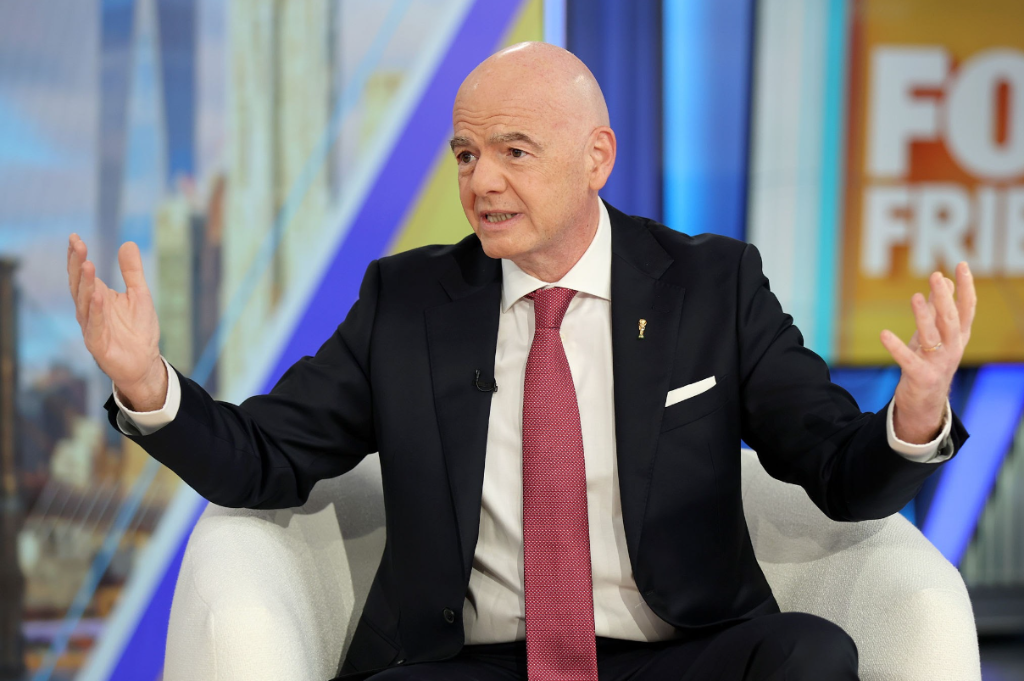
In a groundbreaking move, European football’s governing body, UEFA, alongside its 55 member federations, has declared a historic boycott of upcoming FIFA tournaments. This unanimous and resolute decision comes in direct response to FIFA’s controversial proposal to open the capital of its flagship competitions to private investors. The unprecedented standoff threatens to shatter the long-standing governance structures of international football.
A historic breaking point between Nyon and Zurich
The global football landscape has plunged into an institutional crisis of unparalleled magnitude. Through a strongly worded statement, UEFA announced the immediate and indefinite suspension of all European national teams from competitions organized by FIFA. At the heart of this schism lies the international body’s plan to divest a portion of the rights and ownership of the World Cup and other major tournaments to private investment funds.
For European football, a critical line has been crossed. Convening an emergency meeting, UEFA’s 55 member associations voted unanimously against what they perceive as an irreversible commodification of the world’s sporting heritage. Major footballing nations, including France, Germany, Spain, England, and Italy, have aligned behind this unified stance: a complete withdrawal from international competitions until FIFA’s privatization project is definitively abandoned.
World Cup privatization: the spark igniting the conflict
Central to the dispute is a plan developed with considerable discretion by FIFA’s presidency. Seeking new revenue streams to finance global football development and maximize its earnings, the Zurich-based organization initiated advanced discussions to open the governance and revenue of the World Cup to external financial entities.
This initiative, conducted behind the scenes without prior consultation with leagues, clubs, or continental federations, immediately triggered widespread opposition. UEFA vehemently condemned the opaque process, characterizing FIFA’s approach as
More Stories
OL Lyon faces Chelsea stalemate: can the French giants recover from their Champions League setback?
Ambush near Niono: can Africa Corps withstand the JNIM’s new tactics in Mali?
Mali’s hunger crisis: can humanitarian funding keep pace with escalating needs by 2027?