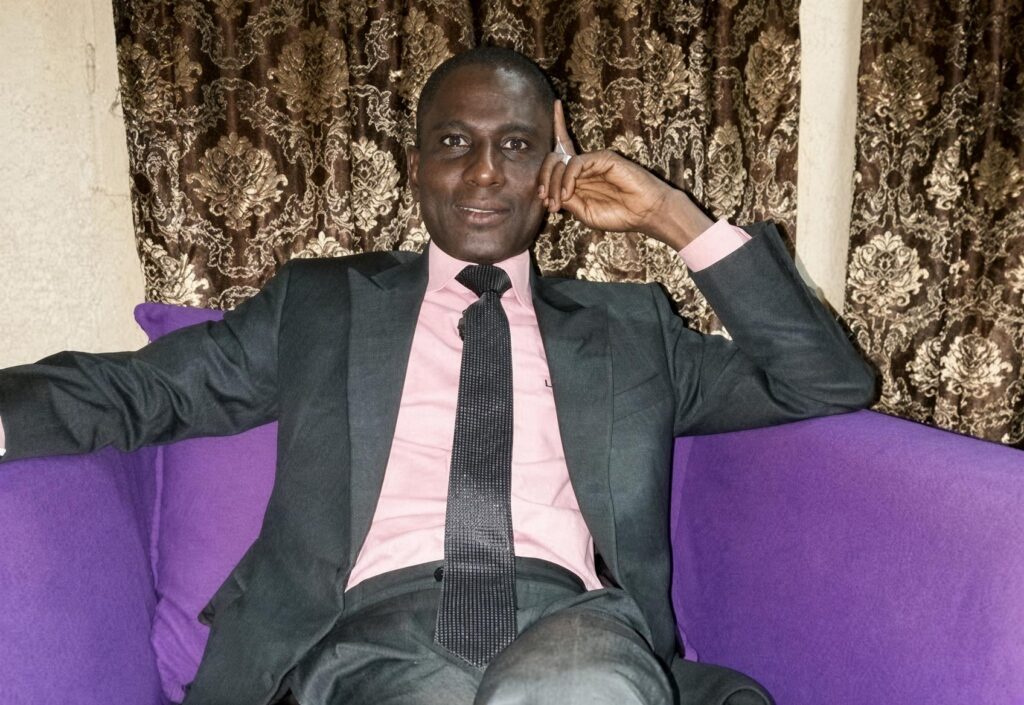
What does it mean when a country locks up a lawyer for a Facebook post? That is the question hanging over Niger after the arrest and imprisonment of Abdourahamane Lirwana, a defence attorney, human rights advocate and active member of the Patriotic Movement for Responsible Citizenship (MPCR). His case is not a routine legal procedure. It is a direct assault on the legal profession, a blow to the rule of law and a show of arbitrary force that should trouble anyone who cares about fundamental freedoms.
How far will Niger go in silencing dissent?
The crackdown on critical voices in Niger has reached a new level. A climate of permanent suspicion now hangs over the country, where simply expressing an opinion, criticising public affairs or asking questions can expose a citizen to the full weight of the judicial system. The imprisonment of Me Lirwana is the latest step in this escalation, and it raises a troubling question: where is the limit?
An opinion offence treated as a state crime
The pattern is becoming painfully familiar. Summoned to the Judicial Police Directorate in Niamey on 21 September 2026, the lawyer was placed in custody before being brought before the prosecutor the following day. He was then incarcerated at Niamey prison and charged with “disseminating data likely to disturb public order” under Article 31 of the cybercrime ordinance.
His only act? Publishing reflections on his Facebook account on 12 September about the situation and morale of the Nigerien army. Under what legal framework does a jurist’s analysis or a citizen’s opinion on the military institution justify up to five years of imprisonment? The method is clearly designed to install widespread self-censorship across the population.
A civic space under pressure, freedoms under threat
This new incarceration fits into a methodical strangulation of civic space. For more than a year, arbitrary detentions and prosecutions of civil society figures and media professionals have followed one another — including proceedings against other civil society actors and well-known journalists.
This drift seriously undermines Niger’s international commitments, notably the International Covenant on Civil and Political Rights and the African Charter on Human and Peoples’ Rights, which formally guarantee freedom of expression and the right to a fair trial.
The demand: immediate release
Faced with this judicial harassment, firmly denounced by the Observatory for the Protection of Human Rights Defenders (FIDH-OMCT), silence amounts to consent.
Abdourahamane Lirwana has committed no crime: he exercised his constitutional and civic right to freedom of expression. Niger’s judicial and political authorities must proceed with his immediate and unconditional release, drop all charges against him and guarantee full respect for the work of human rights defenders in the country.

More Stories
Can Benin replicate its 2023 financing success with 328 billion FCFA in 2026?
Burkina Faso: can the official narrative on four years of Ibrahim Traoré’s rule withstand scrutiny?
Can Benin’s voice in Bucharest reshape the future of francophone social dialogue?