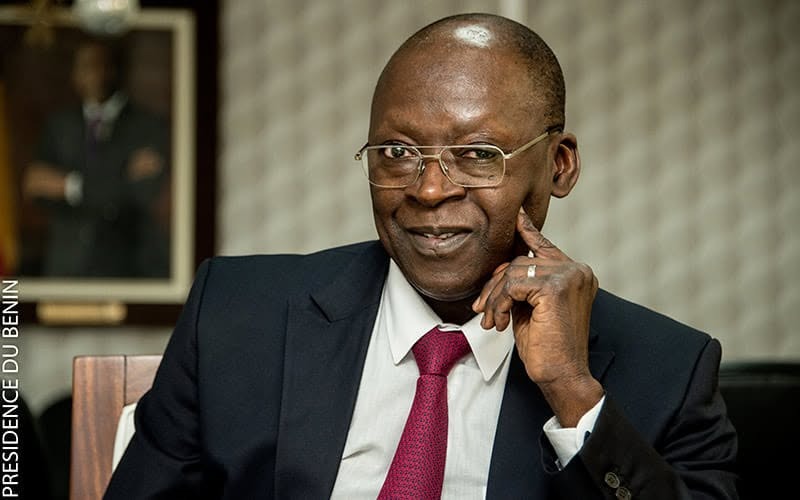
Benin’s diplomatic footprint within the major consultative bodies of the French-speaking world keeps expanding. From 28 to 30 September 2026, Abdoulaye Bio Tchané, president of Benin’s Economic and Social Council (CES), is leading an official delegation to Bucharest, Romania, to take part in the work of the Bureau and the General Assembly of the Union of Economic and Social Councils and Similar Institutions of La Francophonie (UCESIF).
A strategic moment for Benin’s consultative diplomacy
Gathered at the Palace of the Romanian Parliament, member delegations are examining the contemporary challenges of social dialogue, participatory governance and economic resilience across the French-speaking world.
This engagement in the Romanian capital fits squarely within the vision of the 8th mandate of Benin’s CES, which prioritises international outreach and openness to the best practices in consultative governance.
What is at stake during the three-day session
Over these three days of exchanges, the Beninese delegation’s work is structured around several major priorities:
- Approval of budgetary and administrative orientations: Review of activity reports, assessment of financial management and definition of UCESIF’s operational roadmap for the coming exercises.
- Strengthening francophone partnership: Consolidation of synergies between member institutions in order to turn citizen consultations into levers for national public policies.
- Bilateral cooperation: Working meetings on the margins of the plenary sessions with the presidents of economic and social councils from Africa and Europe to share experiences on economic inclusion and social dialogue.
Why this mission matters for consultative democracy
By actively carrying Benin’s proposals within UCESIF, Abdoulaye Bio Tchané reaffirms the strategic role that consultative assemblies play in the stability and sustainable development of nations.
Faced with global economic shifts and the challenges of youth employment, the Bucharest General Assembly offers Benin a privileged platform to promote its national initiatives while drawing inspiration from successful models within the francophone network. The conclusions and resolutions adopted at the end of these proceedings will serve as the foundation for the Union’s future joint actions.

More Stories
Niger’s sovereignty claim: can a UN speech hide the SOMAÏR and SONIDEP collapse?
Can South Africa halt the bloodshed after 27 lives lost in Johannesburg and Cape Town?
Burkina Faso’s shrinking public payroll: a household burden as schools reopen