Togo’s President Engages Congo’s Peace Envoy in Critical Regional Talk
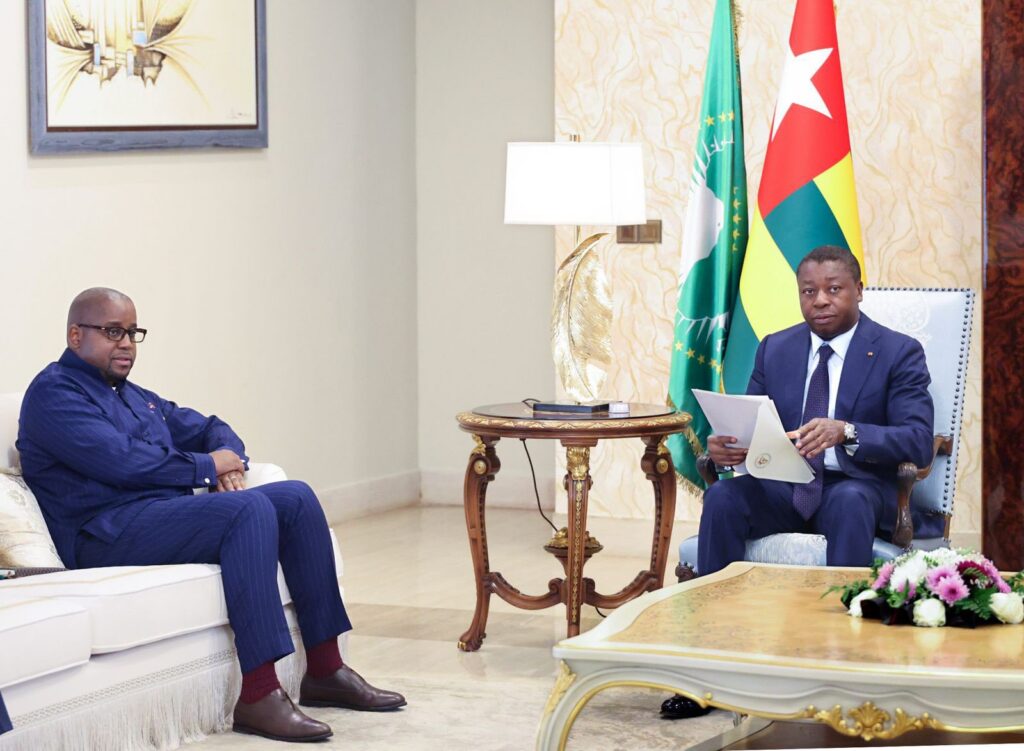
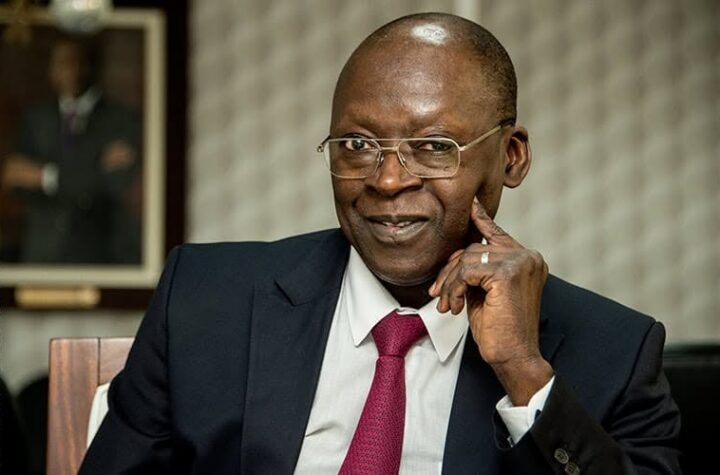
In a high-stakes diplomatic engagement, Togolese President Faure Gnassingbé hosted Democratic Republic of Congo’s Regional Integration Minister Floribert Anzuluni in Lomé today. The meeting focused on accelerating efforts to stabilize eastern DRC, a region plagued by ongoing armed group violence for over a decade.
The DRC’s Special Message to Lomé’s Mediator
Anzuluni delivered a confidential communication from DRC President Félix Tshisekedi to Gnassingbé, underscoring Togo’s pivotal role in the African Union-led peace process. “We’ve been entrusted with conveying President Tshisekedi’s perspective directly to the mediator who holds the key to unlocking this crisis,” Anzuluni stated after the closed-door meeting.
What’s Really Driving This Diplomatic Push?
The urgency stems from recent setbacks in peace agreements with several armed factions operating in North Kivu and Ituri provinces. DRC officials are now betting heavily on Gnassingbé’s mediation, which has gained momentum through strategic regional summits. These gatherings have successfully brought together military representatives, civil society leaders, and neighboring country envoys to coordinate disarmament programs.
Critical Milestones in the Disarmament Campaign
During the audience, Anzuluni outlined concrete progress in Kinshasa’s voluntary disarmament initiatives:
- 12 armed groups have entered negotiations since January 2026
- Over 2,800 combatants have laid down weapons in pilot programs
- Local integration pathways now offer skills training for ex-fighters in agriculture and construction
- Community reconciliation committees have mediated 47 land dispute resolutions this quarter
Togo’s Strategic Role in Africa’s Peace Architecture
Gnassingbé’s appointment as African Union mediator in April 2025 marked a turning point. Lomé has since emerged as the neutral ground where rival factions find common ground. The Togolese capital’s neutral status and Gnassingbé’s reputation for discretion have made it the ideal venue for sensitive negotiations.
Diplomatic Chess: How the Pieces Are Moving
The current phase focuses on three critical fronts:
- Cross-border cooperation: Enhanced security coordination with Uganda, Burundi, and Rwanda
- Economic incentives: Development funds tied to verified disarmament progress
- Local governance: Support for community-led peacebuilding initiatives
These efforts complement parallel tracks including the EAC’s regional force deployment and bilateral security partnerships.
Can This Round of Talks Break the Stalemate?
While previous mediation attempts have stumbled over faction fragmentation and external interference, several factors now favor progress:
- Fatigue among combatants: Years of conflict have drained local support
- Economic pressures: Global commodity price fluctuations reduce war funding options
- Regional consensus: Neighboring countries now prioritize stability over proxy conflicts
The question now centers on whether Gnassingbé’s careful balancing act can deliver tangible results where others have failed. Eastern DRC’s 6 million displaced civilians wait anxiously for any sign of lasting peace.
More Stories
Can Nigeria’s military campaign end the kidnapping economy in the north?
Can Algeria’s expertise truly reshape Benin’s defense strategy?
Mali: can justice ever catch up with the war crimes documented in Ségou, Mopti and Tombouctou?