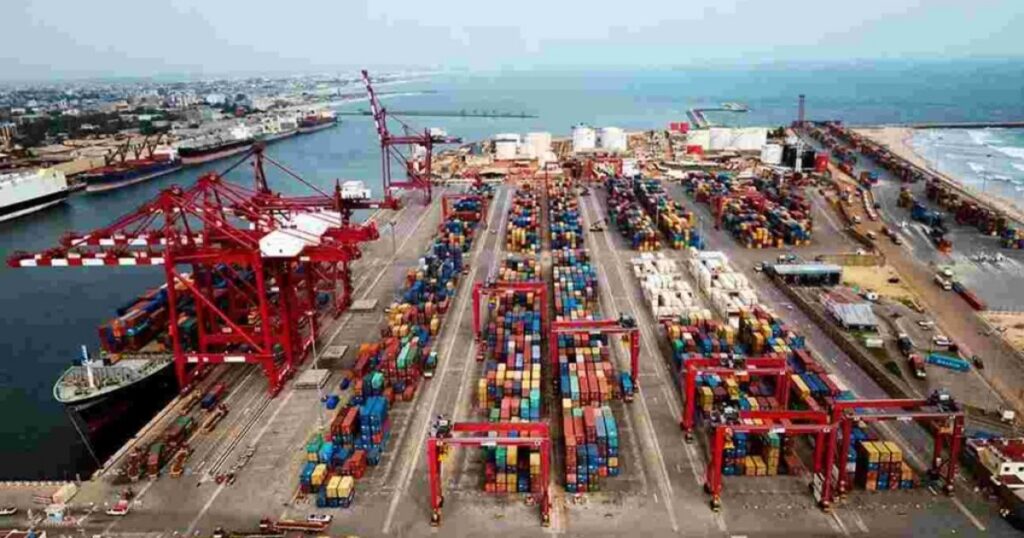
Can Benin’s port workforce transformation hinge on a €15 million Luxembourg gamble?
The future of Benin’s port and logistics sector now hangs in the balance as Cotonou prepares for a €15 million (9.8 billion FCFA) investment from Luxembourg. Signed in New York during the 81st UN General Assembly, the CAP-PORT protocol targets a critical question: can targeted vocational training truly bridge the skills gap in one of West Africa’s busiest ports?
Who stands to benefit from the Luxembourg-funded CAP-PORT initiative?
The €15 million injection aims to reshape the port and logistics labor market by focusing on three key demographics:
- Unemployed youth and women aged 18–35, who represent the largest untapped talent pool in Benin’s port economy
- Low-skilled workers seeking formal recognition of their on-the-job experience
- Existing port employees needing upskilling to meet evolving technological and regulatory demands
According to Beninese officials, the program is designed not just to create jobs, but to ensure that future port operations—from container handling to digital documentation—are staffed by certified, competent professionals.
What skills will the CAP-PORT program actually deliver?
The curriculum outlined in the Luxembourg-backed agreement goes beyond traditional port training. It includes:
- Operation and maintenance of heavy lifting equipment and transport vehicles
- Port safety protocols and emergency response procedures
- Compliance with international trade documentation standards
- Digital tools for cargo tracking, inventory management, and customs clearance
The initiative also calls for the creation of a dedicated training facility, though its location and launch timeline remain officially undisclosed. This raises concerns about implementation feasibility and timeline transparency.
A €15 million pledge—how much has actually been disbursed?
While the protocol was signed in New York by Benin’s Minister of Economy and Finance Hugues-Oscar Lokossou and Luxembourg’s Deputy Prime Minister Xavier Bettel, critical details are missing. Officials have not confirmed:
- The total number of intended beneficiaries
- The physical location of the training center
- The start date, program duration, or disbursement schedule
- Whether the full €15 million has been released or is staged for gradual deployment
The agreement represents nearly 16% of Benin’s active bilateral cooperation portfolio with Luxembourg, valued at approximately €95 million. But without a clear funding timeline, the program’s timeline remains uncertain.
Can vocational training alone modernize Benin’s port sector?
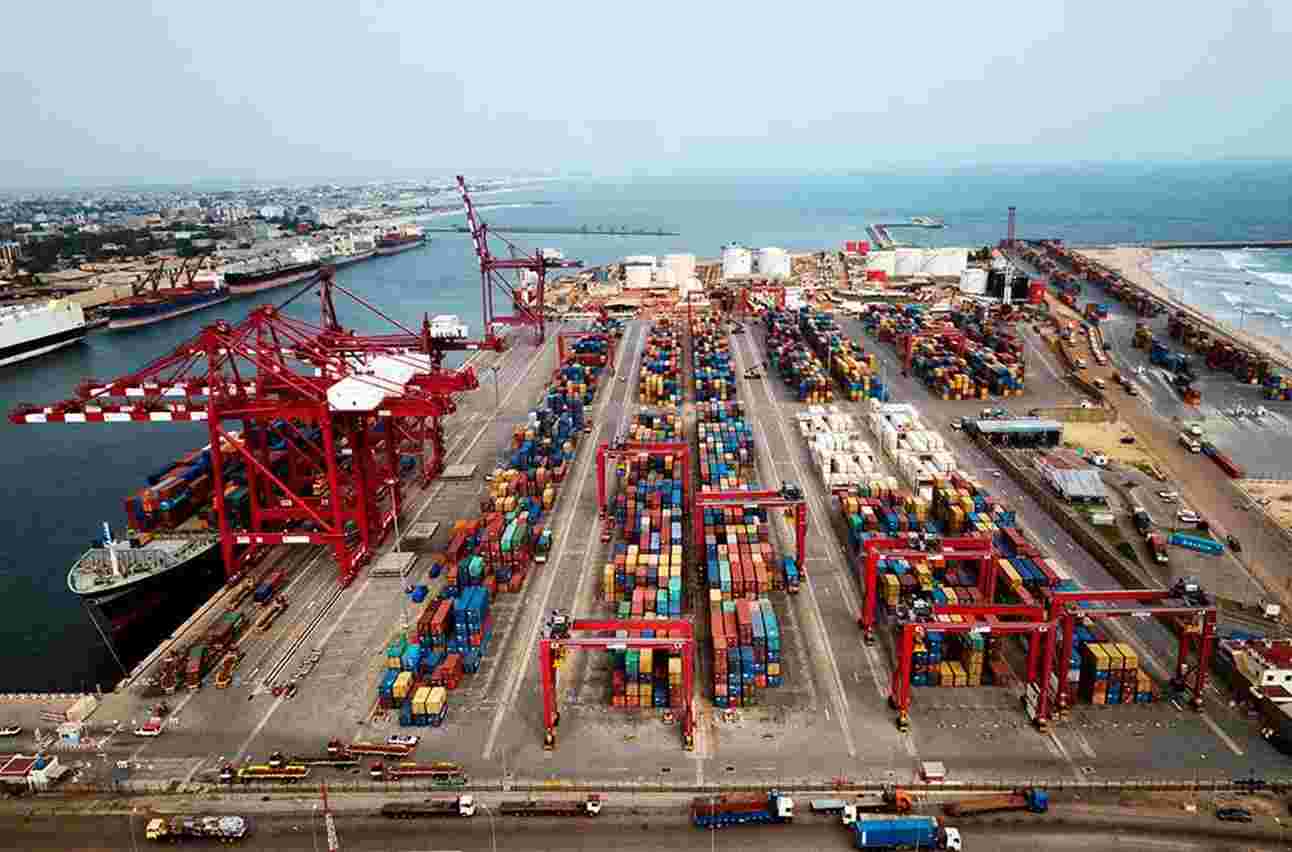
Experts warn that while skills development is essential, it must be paired with infrastructure upgrades, regulatory reform, and private sector engagement. The Port of Cotonou, a key economic driver for Benin, processes over 90% of the country’s foreign trade. Yet it faces challenges such as aging equipment, congestion, and limited automation.
The CAP-PORT initiative could serve as a catalyst—but only if the promised funding translates into real-world training infrastructure and job placements. For now, the €15 million remains a pledge. The real test will be whether it delivers more than just certificates—it must deliver careers.
What’s next for Benin’s port workforce?
The coming months will reveal whether this Luxembourg-backed program becomes a model for vocational training in West Africa—or another unfulfilled promise in a sector crying out for transformation. One thing is clear: without transparency on beneficiaries, locations, and timelines, the gamble on Benin’s port future remains high.


More Stories
Burkina Faso’s shrinking public payroll: a household burden as schools reopen
Can a Tripoli-Yaoundé air link take off without a clear aviation roadmap?
Can Burkina Faso’s security strategy hold after the JNIM’s Silmossin claims?