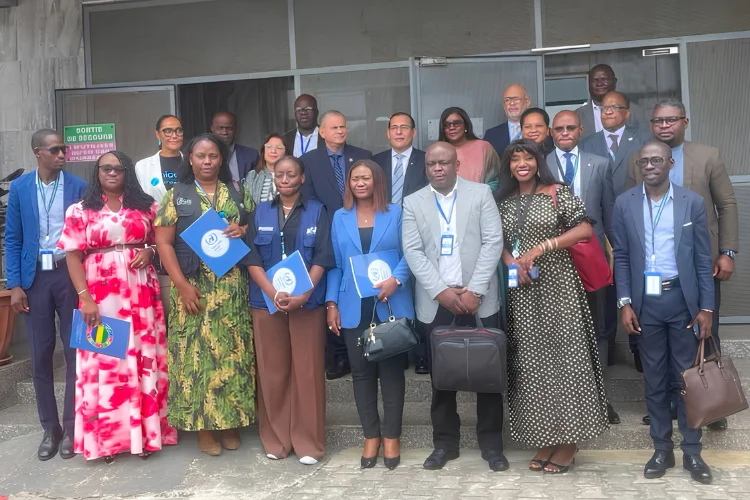
The question looms large over Gabon’s economic horizon: How can 10.5 billion FCFA ($18.5 million) from the United Nations in 2025 make a tangible difference against rising inequality and urgent socio-economic challenges?
Mapping the UN’s strategic priorities for Gabon
In her first major press briefing of the year, Fatou Aminata Lo, the UN Resident Coordinator in Gabon, outlined a bold vision. The 2025 allocation isn’t just another budget line—it’s a deliberate pivot toward three core transformation areas: governance, green economy, and social inclusion.
With over 20 UN entities and nearly 300 staff—70% of them Gabonese—this initiative is more than funding. It’s a partnership aiming to realign public policy with the needs of ordinary citizens. But can these resources truly address Gabon’s most pressing inequalities?
The governance dilemma: transparency vs. tangibility
Governance reform sits at the heart of the funding strategy. Lo emphasized during the briefing that the UN’s role extends beyond financial contributions. The real test? “Turning policy frameworks into measurable outcomes for communities.”
Yet skepticism lingers among local stakeholders. How will these governance measures curb corruption, improve service delivery, and ensure equitable resource distribution? The proof will lie in the implementation.
Green and blue economy: a gamble on sustainability
The second pillar focuses on Gabon’s transition to a green and blue economy—an ambitious goal given the country’s reliance on oil and logging.
With environmental pressures mounting, the 10.5 billion FCFA aims to fund projects that balance economic growth with ecological preservation. Will this investment catalyze lasting change, or will it be absorbed by bureaucratic inertia?
From rhetoric to reality: measuring impact in real time
Journalists at the briefing pressed for clarity on the UN’s direct impact on Gabon’s socio-economic crises—rising unemployment, access to healthcare, and education disparities. The response: accountability and collaboration.
Lo stressed that transparency is non-negotiable. “We are not here to make promises — we are here to create pathways for change.” The framework for tracking progress was also unveiled, including quarterly public reports and community feedback mechanisms.
Will $18.5 million be enough?
The funding allocation, while significant, is a drop in the ocean compared to Gabon’s broader budget. However, its strategic design—prioritizing systemic reforms and local ownership—could amplify its impact.
The key question remains: Can Gabon leverage this UN support to build an equitable future, or will the funds dissipate without leaving a lasting legacy?
A call for vigilance and action
Civil society and media play a crucial role in holding both the UN and the Gabonese government accountable. The 2025 funding cycle isn’t just a financial injection—it’s an opportunity to rewrite Gabon’s development narrative.
For citizens, businesses, and policymakers alike, the stakes couldn’t be higher. The success or failure of this initiative will set the tone for Gabon’s next decade of progress.


More Stories
Mali’s hunger crisis: can humanitarian funding keep pace with escalating needs by 2027?
Guinea-Bissau: can Embaló’s election bid survive the rules he never faced before?
Why has Moscow put a $20 million price on the head of Ukraine’s drone chief Robert Brovdi?