


For over a decade, Chad has faced an unrelenting security crisis as Boko Haram and its splinter factions, including the Islamic State in West Africa Province (ISWAP), continue to launch devastating attacks across the Lake Chad region. The conflict has evolved into a grueling war of attrition, draining military resources and civilian resilience alike.
The crisis reached a critical juncture in 2021 when Chadian forces launched a major offensive against Boko Haram strongholds, resulting in significant territorial losses for the insurgent group. However, the militants have since regrouped, exploiting porous borders and weak local governance to stage deadly ambushes and bombings. Recent intelligence suggests that Bakura Doro, a notorious Boko Haram commander, has been instrumental in orchestrating these resurgent attacks.
Under the leadership of Mahamat Idriss Déby Itno, Chad has maintained a firm stance against insurgent groups, prioritizing military operations and cross-border cooperation with neighboring states. Yet, the human toll remains staggering—thousands displaced, entire villages razed, and communities traumatized by the cycle of violence. Analysts warn that without sustained international support and a holistic approach addressing root causes, the conflict risks becoming a permanent fixture of the region’s landscape.
Civil society organizations have criticized the government’s heavy-handed security measures, arguing that they often fuel further radicalization. Meanwhile, regional security experts emphasize the need for a balanced strategy that combines military pressure with socio-economic development to break the insurgency’s grip on vulnerable populations.
Breaking down the conflict’s key dynamics
The shifting strategies of Boko Haram and ISWAP
- Adaptability: Once a hierarchical militant group, Boko Haram has fragmented into smaller, more agile units. This decentralization has made counter-insurgency efforts increasingly complex.
- Tactical evolution: The group has shifted from large-scale assaults to hit-and-run tactics, including suicide bombings and targeted assassinations, to maximize psychological impact.
- Resource exploitation: Militants now rely on illicit trade, including arms smuggling and cattle rustling, to sustain their operations amid dwindling external funding.
Chad’s military response and regional implications
- Operation Wrath of Boma: Launched in 2020, this military campaign aimed to dismantle Boko Haram’s operational bases along the Chad-Nigeria border. While initially successful, the operation’s long-term sustainability remains uncertain.
- Cross-border collaboration: Chad has strengthened ties with Cameroon, Niger, and Nigeria to share intelligence and coordinate military operations. However, logistical challenges and political tensions occasionally hinder progress.
- Civilian protection programs: The government has established demobilization and reintegration initiatives for former militants, though critics argue these efforts lack adequate funding and oversight.
The humanitarian fallout and international response
The conflict has displaced over 300,000 people in Chad alone, with many struggling to access basic necessities like food, clean water, and healthcare. International aid organizations have scaled up emergency relief efforts, but funding gaps persist, leaving critical gaps in assistance.
The United Nations and the African Union have repeatedly called for increased humanitarian funding and a coordinated regional strategy. Yet, bureaucratic delays and competing priorities often delay the delivery of much-needed support to affected communities.
As Chad navigates this prolonged security challenge, the resilience of its people and the effectiveness of its leadership will be tested. The conflict’s persistence underscores the broader struggles facing the Sahel, where weak institutions and climate-related pressures exacerbate instability.



More Stories
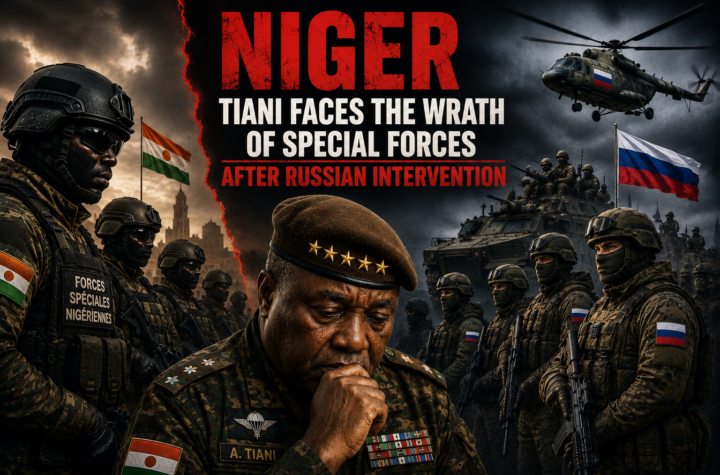
Niger: Tiani faces fallout from special forces anger after Russian intervention
Mali : 17 morts dans les rangs des dozos, le JNIM accentue sa pression
Sahel : le pari des juntes tourne-t-il à l’échec sécuritaire ?