China has called on the international community to address the root causes of the conflict in eastern Democratic Republic of Congo (DRC), stressing that illegal resource exploitation remains a key driver of instability across the Great Lakes region.
Speaking before the UN Security Council, Ambassador Fu Cong, China’s permanent representative, noted that “the conflict in eastern DRC continues and the Ebola outbreak has resurfaced, further worsening the security and humanitarian situation.” He urged the international community to work together to reverse the current trend as quickly as possible.
The Chinese diplomat then emphasized the need to address the economic roots of the conflict.
“The deep-seated causes of the conflict must be tackled swiftly and thoroughly. The DRC’s abundant natural resources should have been the foundation of national development, but they are being looted by armed groups and trafficked, fueling the conflict,” Fu Cong stated.
For Beijing, better governance of the mining sector is a crucial lever for restoring peace. Fu Cong affirmed that “China supports regional countries in their efforts to establish transparent and inclusive mining cooperation to break the cycle of illicit trade.”
Fu Cong also called on the Security Council to increase support for regional initiatives. He said, “The Council should support regional organizations and mechanisms to enhance transparency and traceability in the export of these resources.”
The ambassador urged external actors to adopt a more cooperative approach. “Major powers not belonging to the region should refrain from treating natural resources as a bargaining chip in resolving regional issues. We must promote open cooperation free from a zero-sum logic, so that populations benefit from the development and exploitation of natural resources,” he stressed.
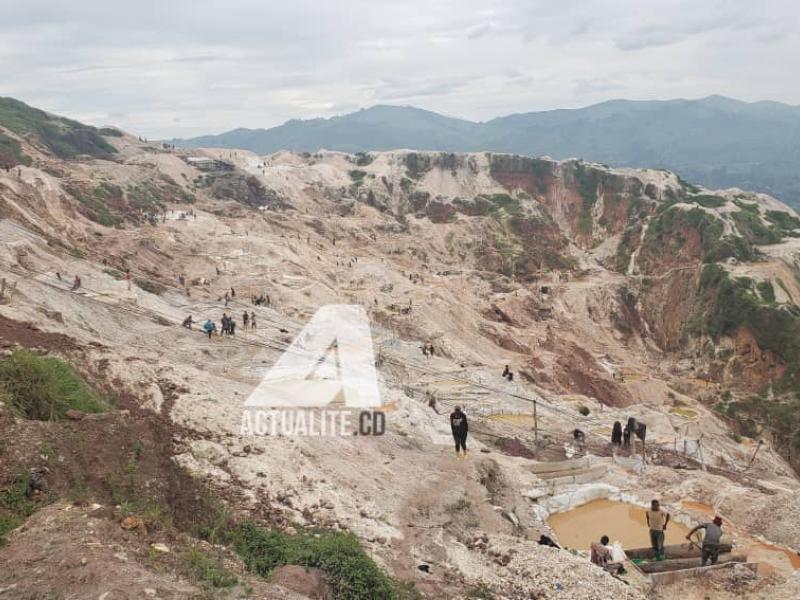
The decades-long war and instability in eastern DRC are closely tied to economic predation. Control of strategic mining sites, notably Rubaya, by armed groups including the AFC/M23 fuels illicit mineral trade to neighboring countries. Congolese authorities say this deprives the state of substantial tax revenue and hinders economic development in the eastern provinces. The Congolese government has long argued that the conflict is primarily an “economic war” waged by Rwanda through what it calls “auxiliaries,” an accusation Kigali consistently rejects.
To help resolve the crisis, the United States facilitated the signing of the Washington Agreement between the DRC and Rwanda. The accord aims to address both security concerns and economic issues linked to natural resource exploitation. However, its implementation has yet to produce the expected results. Kinshasa and Kigali accuse each other of failing to honor commitments, each interpreting certain clauses in its own way.
A similar situation is observed in the Doha process, led by Qatar, which aims to foster direct dialogue between the Congolese government and the AFC/M23. Despite several rounds of talks, concrete advances remain limited, and the security situation on the ground has largely not changed.