Congo opposition protests third term bid by president tshisekedi
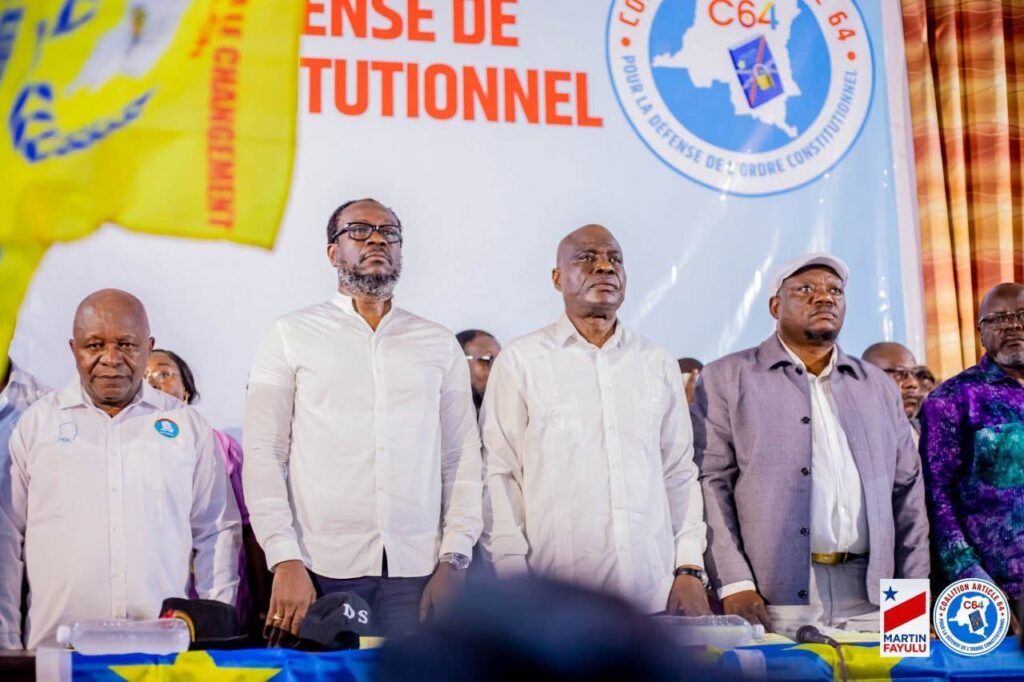
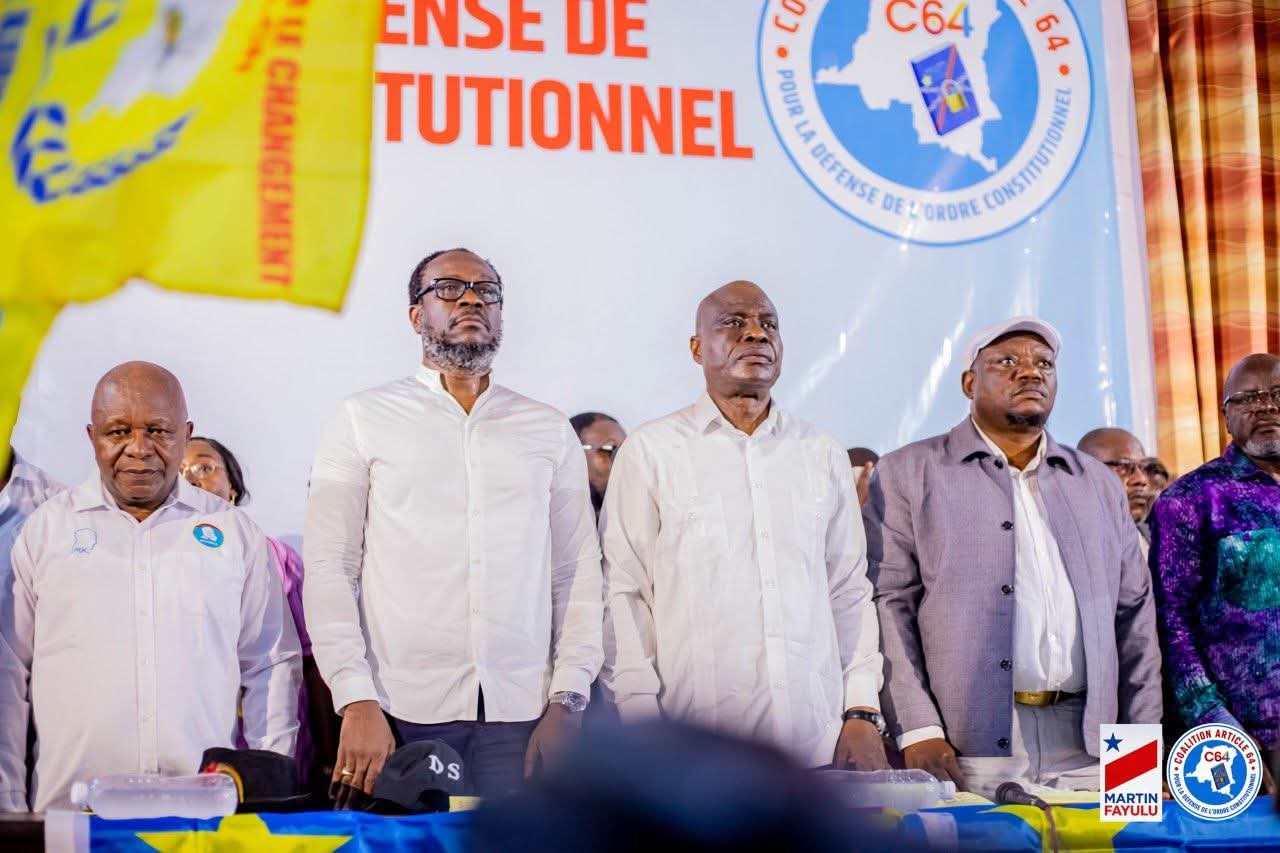
The push to revise the Democratic Republic of the Congo’s constitution has sparked fierce resistance, with critics warning it could lead to an unconstitutional power grab. On June 3, a coalition of opposition figures and civil society groups, operating under the banner of the C64 movement, called for a nationwide ‘ghost town’ strike to protest President Félix Tshisekédi’s apparent ambition to seek a third term in office. The response was immediate and decisive: Kinshasa, normally bustling with activity, ground to a near halt as businesses shuttered their doors in solidarity with the protest.
Constitutional reform in the DRC hinges on raw political power
While the opposition celebrates this early victory, the road ahead remains steep. Mobilization efforts are expected to intensify until President Tshisekédi abandons his third-term ambitions. Yet, all signs suggest the head of state is unmoved. Having already sidestepped constitutional term limits by pursuing a referendum route, he appears determined to press forward—a familiar pattern across Africa, where leaders often engineer electoral paths to extend their rule.
To counter the growing dissent, pro-government forces are rallying their own supporters. Religious leaders aligned with the administration have announced a counter-protest scheduled for June 5, positioning themselves as champions of the constitutional revision. The outcome now hangs in the balance, determined by which faction wields greater influence on the ground. If Tshisekédi’s camp prevails, the reform will likely succeed; if the opposition consolidates its strength, the proposal may collapse entirely.
Defying urgent national crises, Tshisekédi doubles down on power retention
Since assuming office, President Tshisekédi has faced relentless pressure to address the DRC’s most pressing challenges—a spiraling security crisis in the east, where entire regions slip beyond Kinshasa’s control, and the persistent scourge of Ebola. Yet rather than confront these existential threats, his administration appears fixated on consolidating power. This strategy mirrors past failures in the region, where leaders clinging to office often overlook critical national priorities.
Religious leaders, in a sweeping social pact presented to the president, had urged an immediate, inclusive dialogue to forge a unified path forward. Months have passed without meaningful progress. Is this a sign of Tshisekédi’s perceived invincibility, or a miscalculation of the moment? History suggests Africa’s political class rarely learns from its predecessors’ missteps—repeating the same errors until the consequences become undeniable.