
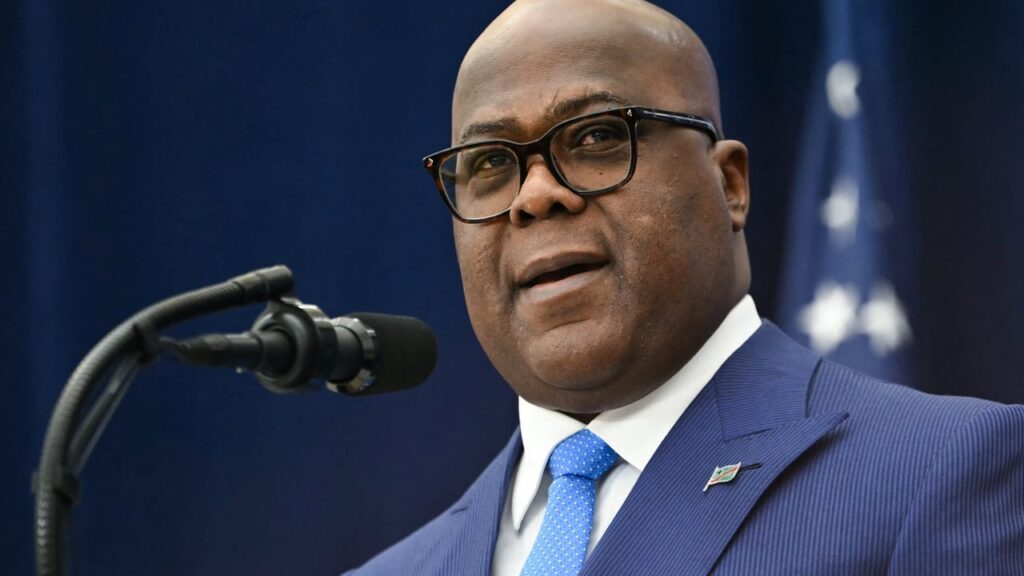
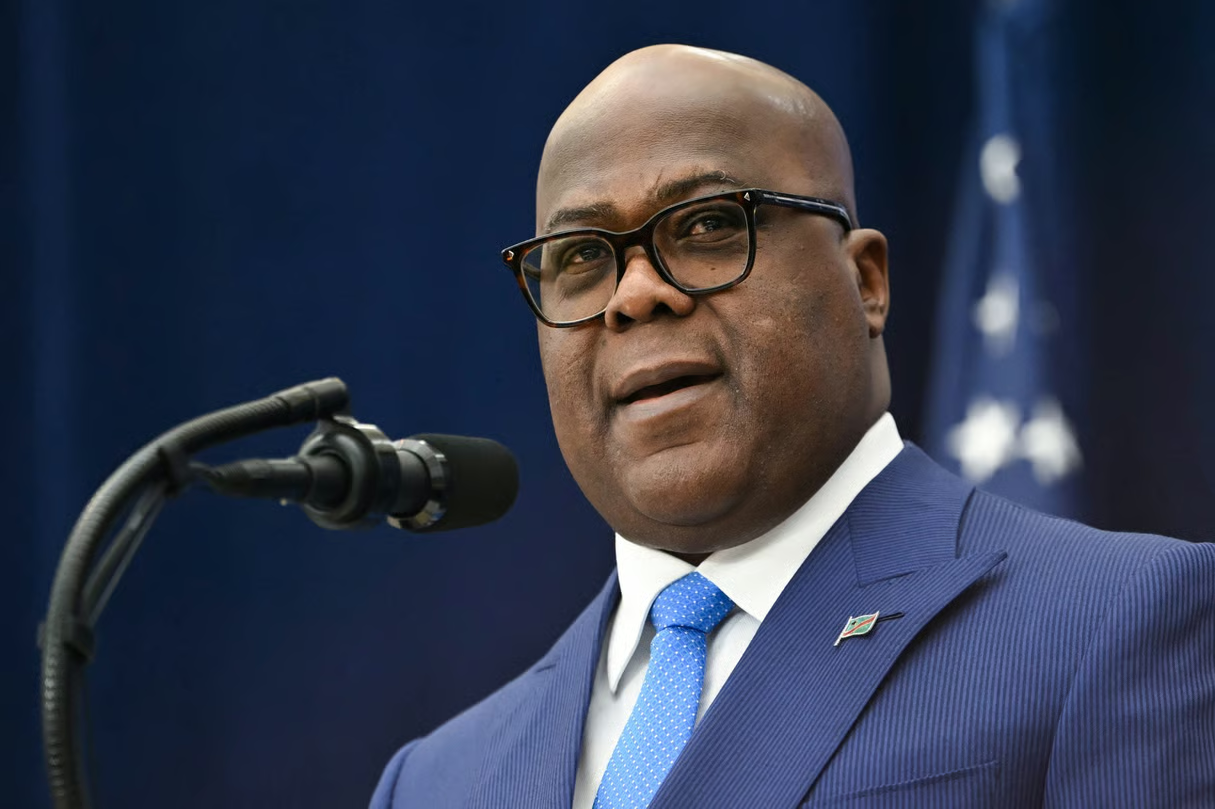
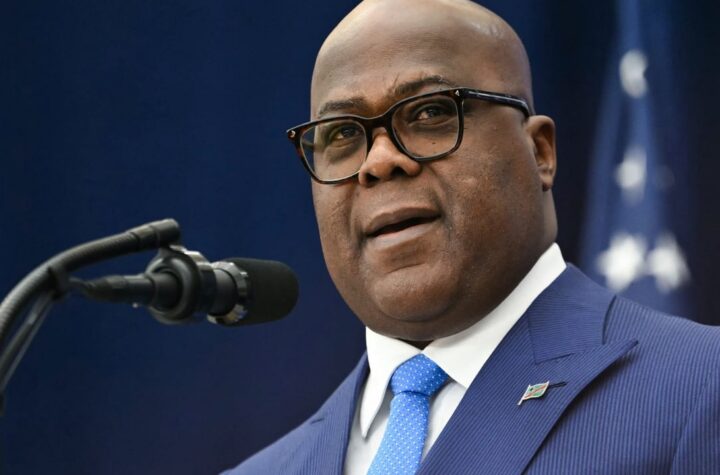
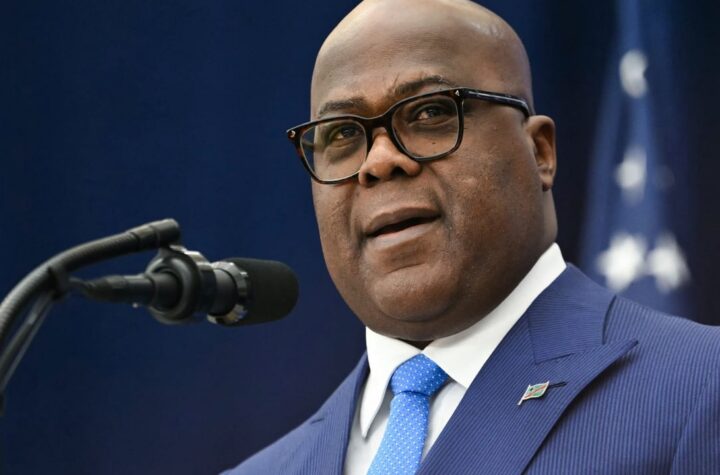
The Democratic Republic of the Congo’s Constitutional Court has delivered a landmark ruling, greenlighting critical amendments to the electoral framework that pave the way for President Félix Tshisekedi to seek a third consecutive term in office. This decision, handed down after intense legal scrutiny, marks a pivotal moment in the nation’s political trajectory.
What the ruling entails
The court’s verdict hinges on the interpretation of constitutional provisions regarding presidential term limits. By validating the proposed changes, the judges have effectively removed existing barriers that previously restricted leaders to two mandates. The move has sparked vigorous debate across political and civil society circles, with supporters hailing it as a necessary step for stability and critics condemning it as a breach of democratic norms.
Reactions from the political arena
The ruling has sent ripples through the country’s political landscape. Pro-government factions have welcomed the decision, framing it as a vote for continuity and strong leadership. Opposition leaders, however, have vowed to challenge the ruling, raising concerns about the erosion of term limits and the potential for authoritarian drift. Meanwhile, civil society groups have organized protests, demanding transparency and adherence to constitutional checks.
International implications
The court’s decision could have far-reaching consequences beyond national borders. Regional observers are closely monitoring the situation, wary of how such a move might influence neighboring nations grappling with similar governance challenges. Analysts warn that the outcome may either embolden or deter other leaders considering constitutional amendments to extend their time in power.
What happens next?
With the legal pathway now cleared, attention turns to the electoral commission and civil society organizations. The next steps include finalizing the revised electoral code, ensuring logistical readiness for the vote, and safeguarding the integrity of the process. Civil society groups have already announced plans to deploy observers nationwide to monitor compliance and prevent irregularities.
The coming months will be decisive in shaping the DRC’s political future. As the nation braces for a high-stakes electoral cycle, all eyes remain on the capital, where preparations are already underway to uphold the credibility of the vote.
More Stories
Constitutional court upholds law enabling Félix Tshisekedi’s third term
Félix Tshisekedi Gets Greenlight for Third Term as Congo’s President
Congo constitutional court clears path for president tshisekedi’s third term