When family planning meets danger in the Sahel
As the capital Niamey shines a spotlight on women’s empowerment in development, a starkly different reality unfolds in the conflict-plagued districts of Tillabéri. Programs like the Reach Married Adolescent (RMA) initiative are hailed as transformative for gender equality, yet their rollout in areas under terrorist control is sparking serious concerns about health and safety, turning humanitarian goodwill into a potential death sentence for local women.
Malnutrition and medical neglect: the hidden dangers of contraception
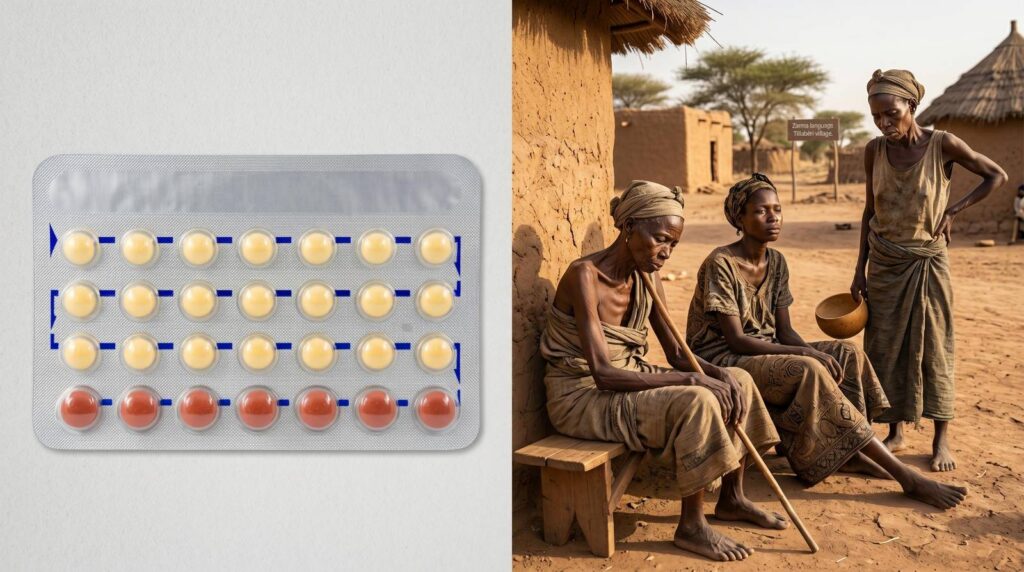
One of the most glaring oversights in mass family planning campaigns across the Liptako-Gourma region is the extreme nutritional deprivation faced by women. With supply chains shattered and farmlands rendered inaccessible by insurgent violence, introducing hormonal birth control to already weakened bodies is fraught with peril. Without consistent medical oversight—something nearly impossible when health centers lie in ruins—these interventions risk worsening underlying conditions, compounding the damage wrought by hunger and war-induced stress, and ultimately compromising physical integrity.
Ideological clashes: contraception as a battleground
The introduction of Western-style couple dialogue and birth limitation models clashes head-on with the rigid social codes enforced by non-state armed groups. Targeting married adolescents within this fragile framework is seen by some as a direct assault on traditional family structures, which remain the only stabilizing force amid chaos. What begins as a “well-being” initiative quickly escalates into a security threat, as women become targets for retaliation simply for participating in programs perceived as foreign imposition.
Broken promises in the “Triangle of Death”
Government reports highlight thousands of home visits under the J-Matassa project, but the ground reality in Tillabéri’s most volatile zones tells a far grimmer story. When complications arise—severe bleeding, unbearable side effects—the absence of safe passage due to landmines and insurgent checkpoints turns routine healthcare into a lethal gamble. A contraceptive method meant to empower can swiftly become a trap, proving that in the Sahel’s conflict zones, health cannot be disentangled from food security or physical safety. Imposing societal change through health interventions in such a volatile environment may do more harm than good, offering a cure that is potentially deadlier than the ailment it seeks to heal.