Côte d’Ivoire braces for sheep shortage ahead of Tabaski
The recent decision by Burkina Faso to indefinitely halt cattle exports has sent ripples of concern across Côte d’Ivoire. With the country’s Tabaski demand estimated at 350,000 livestock—of which 75% are typically imported from neighboring nations—the looming holiday raises pressing questions. Could this decision spark a domestic crisis? How is the Ivorian government preparing to mitigate potential shortages? And will prices for sheep skyrocket in the coming days?
Mounting concerns over livestock supply
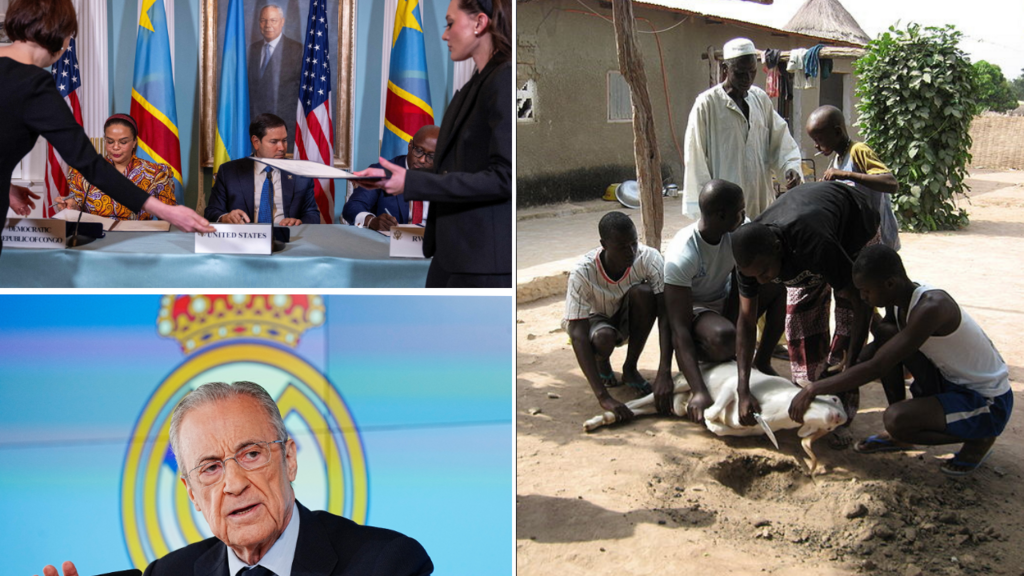
Burkina Faso’s abrupt suspension of cattle exports has left Côte d’Ivoire scrambling. The Tabaski celebration, a cornerstone of the Muslim calendar, demands significant quantities of sheep and goats. Traditionally, Côte d’Ivoire relies on imports to meet 75% of this need, with Burkina Faso serving as a primary supplier. The halt in exports could disrupt supply chains, leading to shortages and price hikes. With just 10 days remaining before the festivities, the urgency is palpable.
Local markets are already showing signs of strain. Wholesalers and retailers are struggling to secure adequate stock, and consumers are bracing for potential price surges. The government has yet to unveil a comprehensive strategy, but officials acknowledge the need for immediate action to stabilize the market.
Government response and market dynamics
In response to the crisis, the Ivorian government is reportedly exploring alternative supply routes. Negotiations are underway with other regional partners to fill the gap left by Burkina Faso. However, logistical challenges and time constraints complicate these efforts. The government has also hinted at temporary price controls to prevent exploitation during the holiday season.
Market analysts predict that if supply issues persist, sheep prices could climb by 20-30% in the lead-up to Tabaski. This would place an additional financial burden on households already grappling with economic pressures. Livestock traders are calling for transparency and swift intervention to avoid a full-blown crisis.
Long-term implications for Côte d’Ivoire
The current situation underscores the fragility of Côte d’Ivoire’s livestock supply chain. While the government works to address immediate concerns, experts argue that long-term solutions are essential. Diversifying import sources, investing in local livestock production, and strengthening regional cooperation could mitigate future risks. For now, however, the focus remains on ensuring a smooth Tabaski celebration amid growing uncertainty.