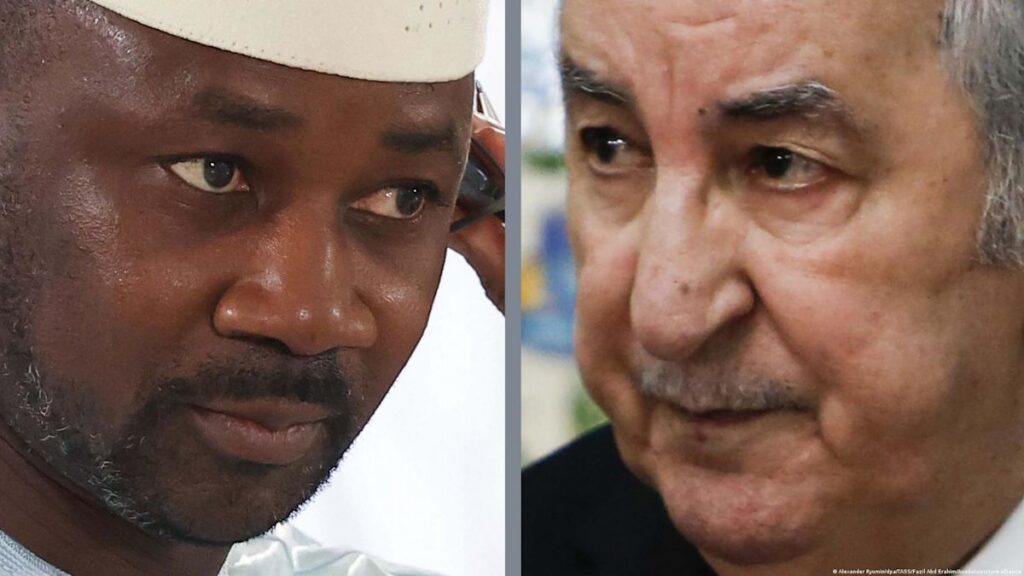
diplomatic thaw between Mali and Algeria strengthens Sahel stability
Tensions between Bamako and Algiers escalated sharply in April 2025 when Algerian forces intercepted a Malian drone, accusing Mali of violating Algerian airspace. Bamako vehemently denied the allegations, prompting Mali to shut down its shared 1,300-kilometer border with Algeria.
By early July, both nations took decisive steps to mend fences. Announcements included the reciprocal return of ambassadors and the immediate reopening of their respective airspaces, signaling a cautious but deliberate resumption of dialogue.
During a high-level telephone exchange, Algerian Prime Minister Sifi Ghrieb formally extended an invitation to his Malian counterpart for an official visit to Algeria, further underscoring the thaw in relations.
Listen or read our exclusive interview with sociologist Mohamed Amara on the implications of this diplomatic rapprochement.
Regional security takes center stage
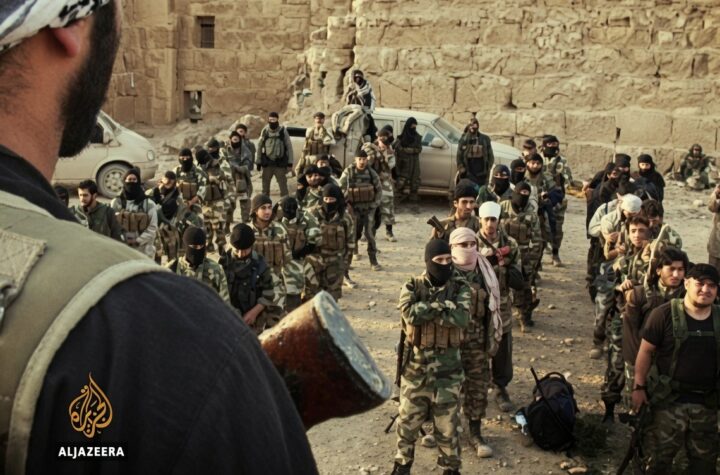
Mohamed Amara highlights the immediate regional benefits of this reconciliation. “This thaw is not just symbolic; it’s a critical step toward restoring stability in the Sahel,” he asserts. With Mali, Burkina Faso and Niger grappling with persistent terrorist threats, the timing could not be more pivotal.
For Algeria, the stakes are particularly high. Despite not being directly threatened by the current insurgencies sweeping across West Africa, Algiers recognizes the risks of a widening security vacuum. “A stable Mali is a buffer against the spread of instability toward the Gulf of Guinea,” Amara explains. Strengthening ties with Bamako also allows Algeria to assert its leadership in regional security matters.
Algeria’s partnership with Russia—another key player in both nations’ strategies—adds strategic depth to this rapprochement. The collaboration aims to consolidate control over the security landscape, particularly in countering extremist groups active along the Sahel’s volatile borders.
What’s in it for Mali?
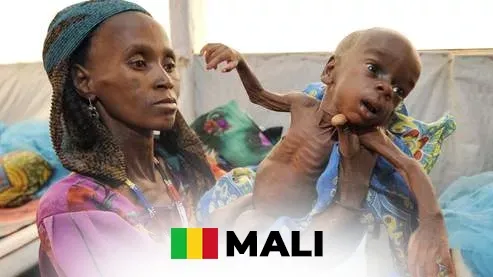
Mali’s motivations are equally strategic. “Securing the Algerian border is paramount,” Amara notes. “A porous frontier risks becoming a gateway for armed factions, exacerbating the crisis.” Beyond immediate security concerns, Bamako seeks to revive diplomatic channels with rebel factions, notably the Azawad Liberation Front, to restore political equilibrium.
Geopolitical ripple effects in the Sahel
While the regional balance of power has remained relatively unchanged since 2020, this thaw could mark a turning point. Algeria’s re-entry into the diplomatic arena, coupled with Russia’s influential role as a shared ally, may reshape the geopolitical map. “This isn’t about shifting alliances; it’s about restoring equilibrium,” Amara concludes. “Algeria’s renewed engagement could serve as a stabilizing force in an otherwise fragmented region.”


More Stories
Can Niger still call itself a state of law after jailing lawyer Abdourahamane Lirwana?
Can Benin replicate its 2023 financing success with 328 billion FCFA in 2026?
Burkina Faso: can the official narrative on four years of Ibrahim Traoré’s rule withstand scrutiny?