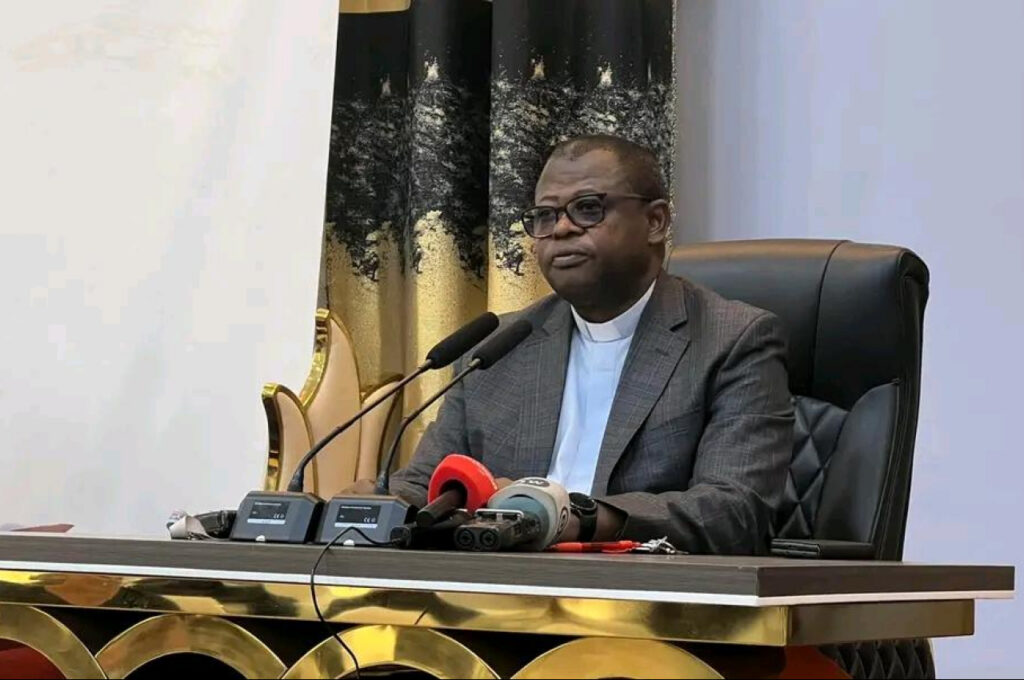
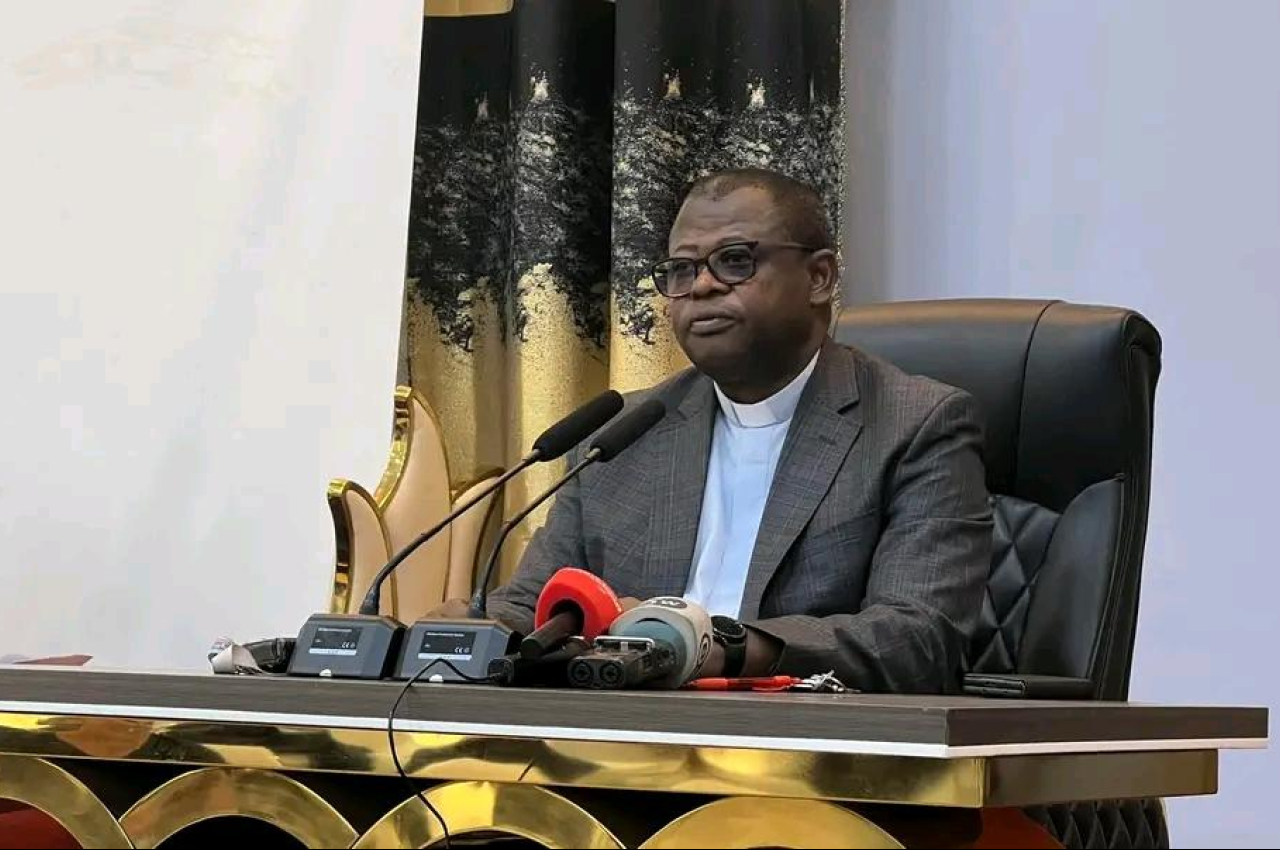
The Article 64 coalition, a vocal opponent of the proposed constitutional modification in the Democratic Republic of Congo (DRC), has gained significant backing. The National Episcopal Conference of Congo (CENCO) unequivocally rejected the amendment initiative. This project, according to the Church, aims to allow President Félix Tshisekedi to seek a third term, directly contravening the existing constitutional mandate limit of two terms. CENCO warns that such a political endeavor poses a grave threat to the stability of the nation.
The occupant of the Marble Palace risks grave consequences by ignoring these warnings
CENCO asserts that “any forceful imposition carries enormous risks, including the balkanization of the nation.” The religious leaders have issued a rallying cry to the Congolese populace, declaring, “The country is suffering; let us rise. It is imperative to seize control of our destiny, or our future will be mortgaged for generations.” Beyond this urgent appeal, CENCO has directly implored President Félix Tshisekedi to uphold his sworn duty to respect and defend the Constitution. Whether this plea will resonate remains to be seen in the coming days. However, one certainty is that the ruling power will not welcome CENCO’s intervention. This stance is particularly significant as it emerges just after parliament approved the referendum law, effectively greenlighting the Congolese Executive to proceed with a constitutional referendum. All indications suggest the government is resolute in its pursuit. Is the Church’s voice merely echoing in a vacuum? Will President Tshisekedi heed this spiritual call? For now, it appears an alliance between the Catholic Church and the political opposition is forming. While the prelates affirm they are not formally joining the opposition, their resolute position in such a contentious debate undeniably bolsters the arguments of all who oppose the constitutional amendment. The resident of the Palais de Marbre would be ill-advised to continue ignoring these mounting concerns. It is clear that the proliferation of dissenting fronts risks, in one way or another, destabilizing his administration. Without predicting doom, such a scenario could prove highly detrimental. The Church is undeniably fulfilling its role by demanding adherence to constitutional order. As a proponent of peace, it cannot overlook a proposal that both divides the Congolese people and appears inherently prone to generating conflict. Furthermore, Congolese prelates are integral members of society, deeply affected by the nation’s challenges, and thus cannot, and should not, be excluded from seeking solutions. The question remains: will the Church’s influence sway President Tshisekedi? Only time will tell. Nevertheless, with the prelates’ public declaration, it is safe to assume that Tshisekedi faces a considerable dilemma. This is particularly true given that, in addition to the opposition’s past actions, including a ‘ville morte’ (dead city) protest followed by a violently suppressed meeting, CENCO is now preparing its clergy for future actions.
The Congolese people already endure immense suffering; further burdens must be avoided
President Félix Tshisekedi can anticipate restless nights in the coming days and months. While he previously contended primarily with the political opposition, allowing him to maintain a firm stance, the emergence of CENCO as a prominent civil society actor significantly jeopardizes the success of his proposed constitutional changes. Tshisekedi’s current predicament is notable, especially considering he once benefited from CENCO’s efforts when he was part of the opposition. It was, in part, the Catholic Church that compelled his predecessor, Joseph Kabila, to abandon his ambition to extend his presidential term in 2017. Therefore, President Tshisekedi would be wise to exercise restraint and prudence. Ultimately, if he aims to secure a respected place in history, he must carefully reconsider his actions. With the ongoing crisis in Eastern DRC and the devastating Ebola epidemic, the Congolese population is already enduring profound hardship; adding further instability would be an unbearable burden.