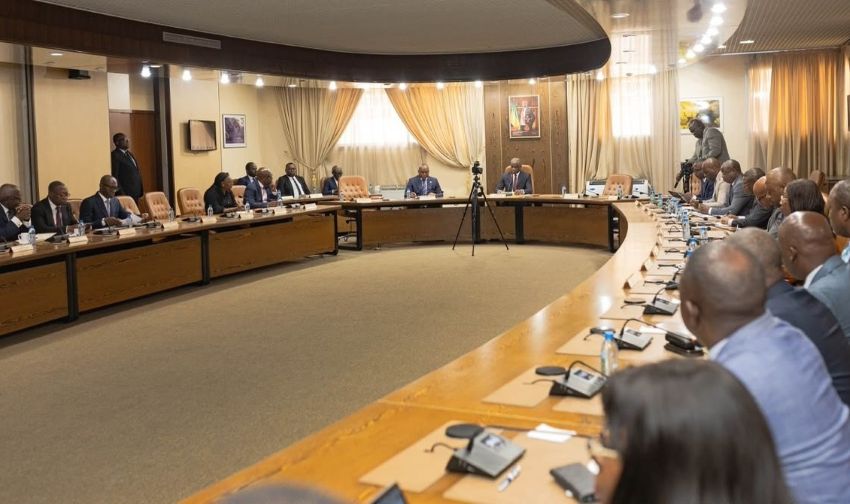
Gabon 2027 budget targets measurable impact
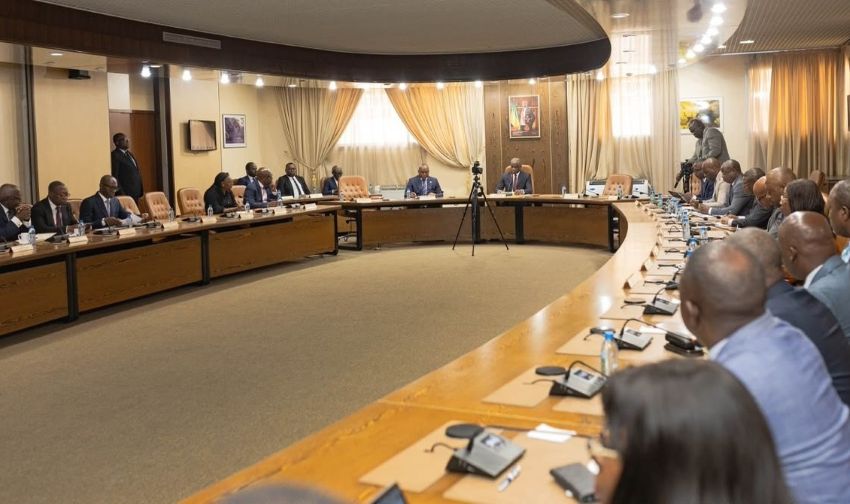
Libreville, July 16, 2026 – Gabon is poised to launch one of the most transformative budgetary reforms in recent history. As preparations for the 2027 Finance Law kick off, the government isn’t just ticking boxes for another fiscal year—it’s signaling a decisive break from decades of budgeting practices focused on credit consumption rather than tangible outcomes.
The message to public administrations is unambiguous: budgets can no longer be static funding envelopes. Every franc allocated must now deliver measurable results in infrastructure, public services, economic growth, or employment. In a region where public spending effectiveness remains a persistent debate, Gabon is positioning its budget as a catalyst for national development.
Ending the era of automatic budgets
This reform introduces a groundbreaking approach in many African administrations. Future spending will no longer be justified by past allocations but by its capacity to generate concrete outcomes. Whether through completed roads, constructed schools, expanded electricity access, job creation, or enhanced revenue streams, performance will be the new benchmark for public action.
The shift also aims to dismantle long-criticized practices such as automatic credit rollovers, poorly documented expenditures, and revenues slipping through non-standard fiscal channels. Agencies must now submit comprehensive, evidence-based proposals with clear objectives. Public agencies’ generated revenues will be fully tracked and reintegrated into state coffers to bolster transparency and fund traceability.
For international partners, this represents a strong credibility signal in an era where budgetary governance quality increasingly influences economic trust.
Ambitious growth under strict oversight
The government projects a 5.1% growth rate for 2027, up from an estimated 4% this year, driven by public and private investments alongside a revitalized productive sector. Notably, the budget assumes conservative oil price forecasts—a deliberate choice to reduce vulnerability to global energy market fluctuations.
Manganese, processed wood, and palm oil have been identified as key growth drivers, reinforcing Gabon’s long-stated but rarely executed economic diversification strategy. The challenge remains formidable: few oil-dependent nations have successfully transitioned away from hydrocarbons without deep institutional and economic reforms.
Balancing fiscal discipline with social imperatives
Budget preparations coincide with ongoing discussions with the International Monetary Fund. Yet authorities have reassured the public on one critical point: financial stabilization must not come at the expense of citizens.
Social spending will be preserved in vital sectors such as clean water access, electricity, healthcare, education, and support for vulnerable households. Six priority areas have already shaped current budget decisions: water and energy services, youth entrepreneurship, infrastructure, housing, social justice, sustainable development, and institutional strengthening.
The equation remains delicate. Scarce resources must meet vast social expectations. The true test of the 2027 budget won’t lie in parliamentary figures but in the state’s ability to convert allocated funds into visible, citizen-centric results.
Ultimately, success will be judged by Gabonese citizens themselves. If schools function better, electricity and water become more accessible, youth find greater opportunities, and infrastructure development accelerates, the budget reform will have achieved its purpose. If not, the 2027 budget may simply become another unfulfilled reform in Africa’s history. The year ahead could mark a defining moment for Gabonese economic governance—and perhaps a model for others to follow.