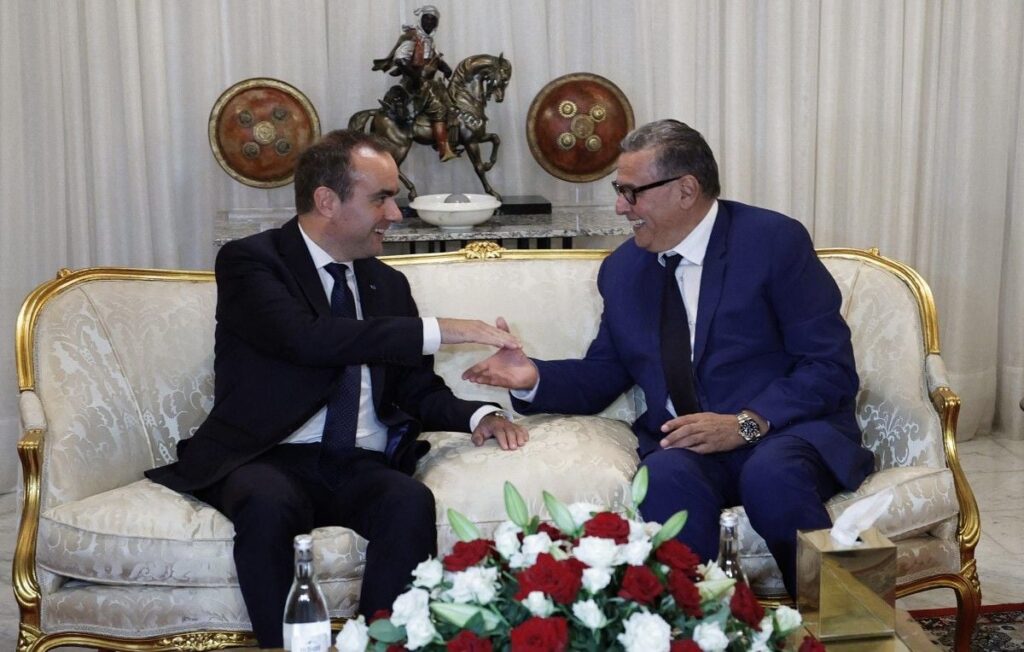
French-Moroccan diplomatic relations have entered a new phase of warming following Prime Minister Sébastien Lecornu’s official visit to Rabat on Wednesday. The landmark trip, which included high-level discussions with Morocco’s leadership, signals a deliberate effort to reset and elevate ties that had been strained in recent years.
The visit culminated in a joint declaration outlining plans for a historic friendship treaty between the two nations, though no fixed timeline was announced for its signing. This proposed agreement would mark a turning point in bilateral relations, reaffirming mutual strategic interests across multiple domains.
from tension to partnership: the road to reconciliation
Relations between France and Morocco hit a low point in 2021, when diplomatic tensions flared following allegations of Moroccan espionage using the Pegasus surveillance software. The controversy, which implicated high-profile individuals including French officials, cast a shadow over cooperation for several years. Despite Morocco’s repeated denials of wrongdoing, the incident strained trust between the two governments.
However, the tide began to turn in summer 2024, when France officially recognized Morocco’s sovereignty over Western Sahara—a move that drew sharp criticism from Algeria but was warmly received in Rabat. This pivotal decision paved the way for a series of high-level engagements, including Moroccan King Mohammed VI’s state visit to Paris in October 2024, where both nations signed a “reinforced exceptional partnership” agreement.
security and stability at the heart of new commitments
During the 15th high-level meeting between French and Moroccan delegations—the first since 2019—Lecornu emphasized the need to “scale up cooperation” in areas of shared priority, particularly counter-terrorism and regional security. The two nations face common threats in the Sahel, where jihadist groups continue to pose significant risks to stability.
Lecornu also proposed positioning Morocco as a “key anchor” in France’s relations with the European Union, highlighting the North African nation’s role as a bridge between Europe and Africa. Moroccan Prime Minister Aziz Akhannouch echoed this sentiment, calling for the speedy implementation of the 2024 partnership commitments and preparation for the next steps in bilateral collaboration.
a symbolic gesture: royal welcome and future prospects
Lecornu’s arrival in Rabat was marked by a military honors reception, underscoring the importance of the visit. Accompanied by a dozen French ministers—including Foreign Minister Jean-Noël Barrot and Interior Minister Laurent Nunez—he led discussions aimed at consolidating what both sides describe as “privileged relations.”
In a message relayed by Morocco’s official news agency MAP, King Mohammed VI celebrated the “consolidation” of these ties, emphasizing their potential to foster greater stability and prosperity in the region. While no concrete date was set for a reciprocal visit by the Moroccan monarch to France, officials on both sides expressed confidence that such a trip would materialize in the near future.
The evolving dynamic between Paris and Rabat reflects a broader geopolitical recalibration in North Africa, where France seeks to strengthen alliances amid shifting regional power structures. For now, the focus remains on translating diplomatic progress into tangible actions that benefit both nations and their broader strategic interests.