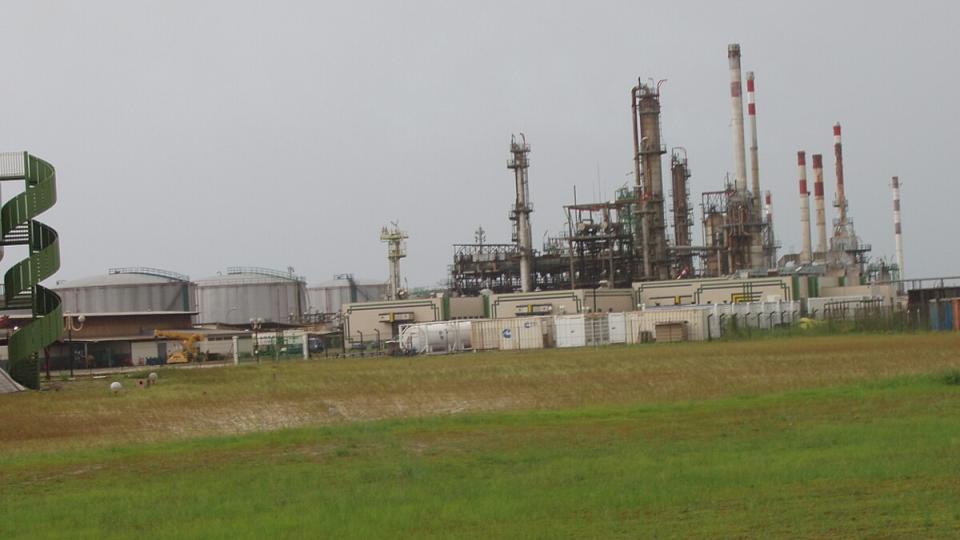
As one of Central Africa’s leading oil producers, Gabon faces an ongoing economic paradox: despite its vast crude reserves, the country remains heavily reliant on imported refined fuels. To address this structural vulnerability, the Bank of Central African States (BEAC) is urging Libreville to fast-track upgrades at the Gabonese Refining Company (SOGARA), a move seen as vital for easing fiscal strain and safeguarding regional foreign exchange reserves.
The warning comes as part of a broader BEAC assessment on inflation trends and economic outlooks across the CEMAC zone. While Gabon extracts substantial daily volumes of crude oil, aging infrastructure and limited processing capacity force the state to purchase gasoline and diesel abroad at fluctuating global prices. This dependence exposes the national economy to external shocks, from geopolitical tensions to volatile oil markets, thereby straining the trade balance and depleting foreign reserves managed by the central bank.
Why upgrading SOGARA is no longer optional
To break free from this cycle, the BEAC is pushing for targeted investments in Port-Gentil’s refinery. Key upgrades include advanced technology such as an hydrocracker unit, designed to boost output of refined “clean” fuels and convert a larger share of domestic crude into usable products. Such improvements would enable SOGARA to better meet local demand while gradually phasing out costly energy subsidies that burden the national budget.
The government’s moment of truth
The BEAC’s call places the onus squarely on Gabonese authorities. Beyond technical feasibility, this is a strategic decision touching on economic sovereignty and energy security. Financial markets and policy analysts will closely monitor upcoming budget deliberations, particularly in the draft Finance Law, to see if this critical recommendation translates into concrete fiscal commitments. For Gabon, mastering local refining could serve as a cornerstone for macroeconomic stability in the years ahead.