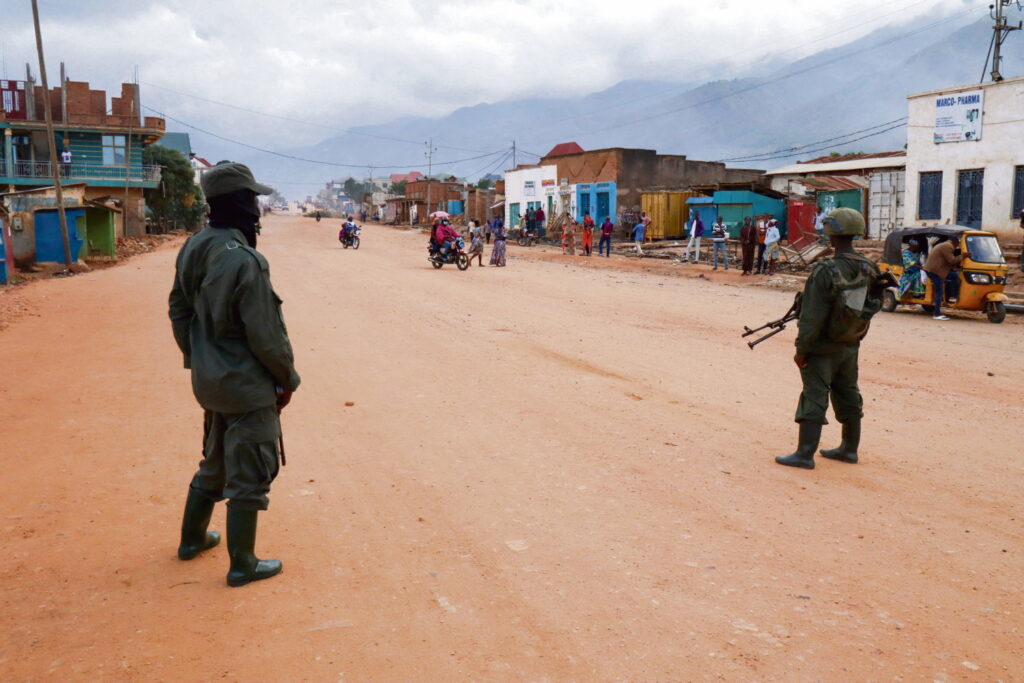
The implementation of the Washington agreement, brokered between Kinshasa and Kigali, faces significant hurdles. Across Nord-Kivu and Sud-Kivu, fierce clashes for control of strategic territories have reignited. Despite international sanctions, the United States appears powerless, exposing the limitations of its inconsistent diplomatic approach.
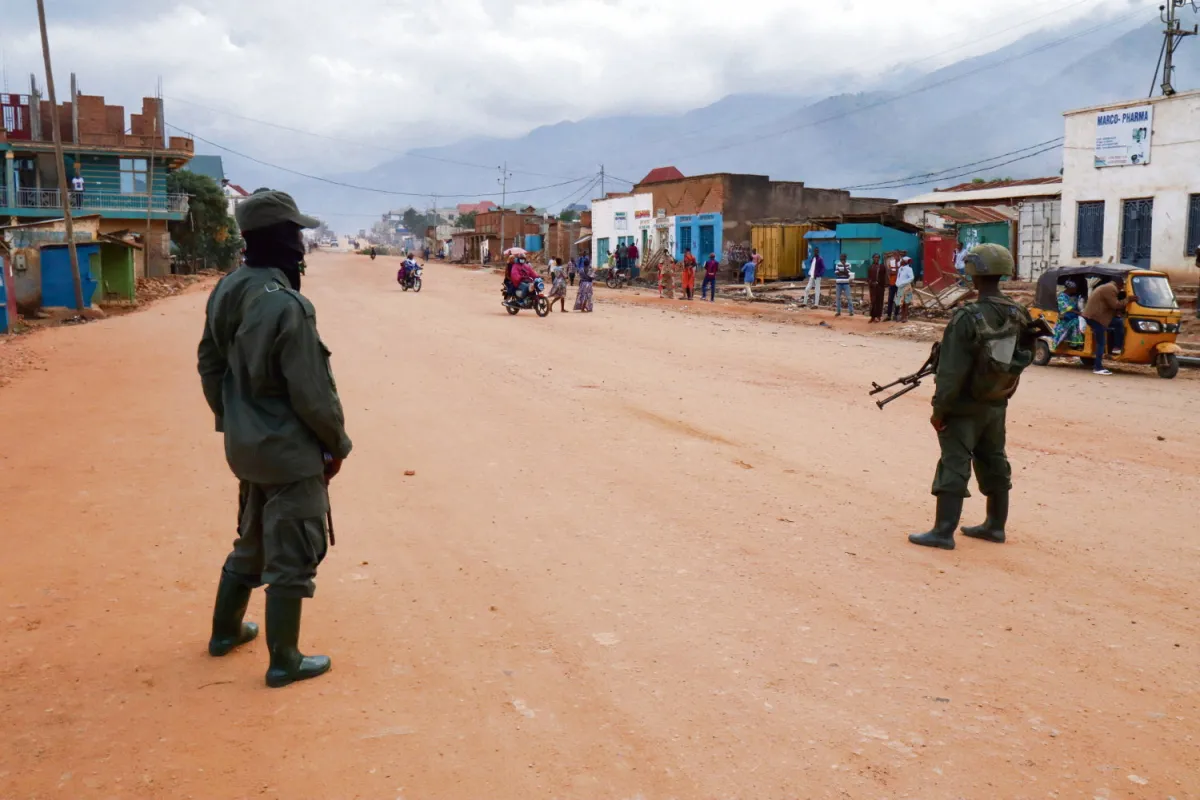
The agreed-upon deadline was July 15th. The peace accord, signed on June 27, 2025, between the Democratic Republic of Congo (RDC) and Rwanda – known as the “Washington agreement” due to its facilitation by the United States – mandated the withdrawal of Rwandan forces from eastern RDC. These troops have been providing support to the Congolese political-military faction, the Alliance du fleuve Congo/M23 (AFC/M23), which continues to control large swathes of the Nord-Kivu and Sud-Kivu provinces.
While the treaty encompassed additional provisions, the situation remains gridlocked, despite pronouncements from US Secretary of State Marco Rubio, who had expressed optimism for the agreement’s implementation by mid-July. Worse still, hostilities persist across eastern RDC….
The keywords associated with this article