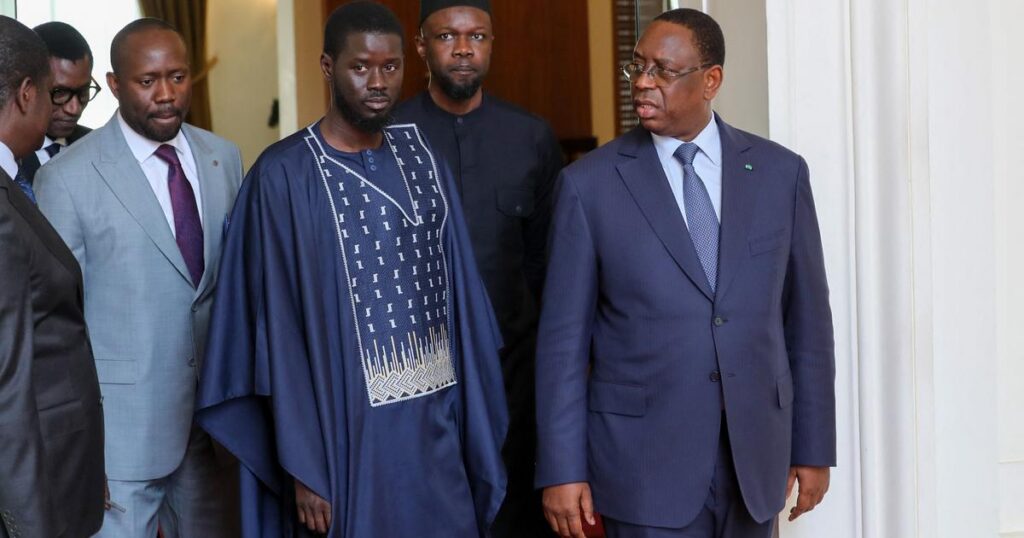
On a Friday afternoon, precisely at 3 PM, a specially chartered aircraft will land at Dakar’s military airport, carrying former President Macky Sall. This rapid and strategically significant return to Senegal marks the first step in his pursuit of a new international role—one that could redefine his legacy in West Africa.
His agenda is tight: a brief meeting with current authorities upon arrival, followed by an immediate departure for New York by 6 PM. This is no ordinary visit, officials note. Sall is not merely returning home; he is campaigning for the position of United Nations Secretary-General, a role that demands global support—especially from African nations that have yet to endorse his candidacy.
Yet his comeback is far from universally welcomed. Critics and supporters alike scrutinize his twelve-year tenure, which ended in 2024. Allegations of hidden public debt and political unrest during his administration continue to fuel debate. The victorious Patriotic Africans of Senegal for Work, Ethics, and Fraternity (Pastef) party has been vocal in demanding accountability, though Sall himself remains untouched by legal proceedings—at least for now.
The political climate remains charged. Just a year ago, his former Prime Minister—once a close ally—now leads a government that views Sall’s return through a lens of caution, if not skepticism. The stage is set for a high-stakes interaction, where history, ambition, and national sentiment collide.