Gabon asserts control over its marine resources in bold fishing deal move
Libreville, June 17, 2026 – With the impending expiration of Gabon’s sustainable fishing partnership agreement with the European Union, the country has made a decisive move to reclaim control over its maritime resources.
The Gabonese government is ushering in a new phase in the management of its oceanic wealth by declining to renew an arrangement widely viewed as heavily skewed in favor of foreign interests. This decision reflects a broader strategic vision aimed at reversing the long-standing trend of exporting raw resources while importing processed goods—a pattern that has deprived the nation of significant economic value.
The timing of this announcement is significant. Across Africa, discussions on the governance of marine resources are intensifying. Recent continental gatherings in Mombasa focused on blue economy initiatives have highlighted the need for greater transparency, traceability, and local benefits in fishing agreements with major global players. Gabon’s stance now aligns with this continental momentum.
End of an unfair model
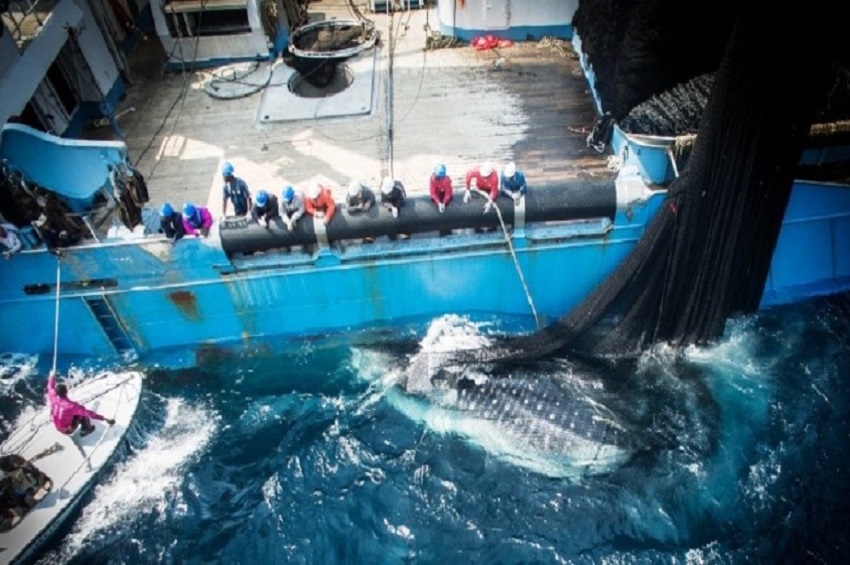
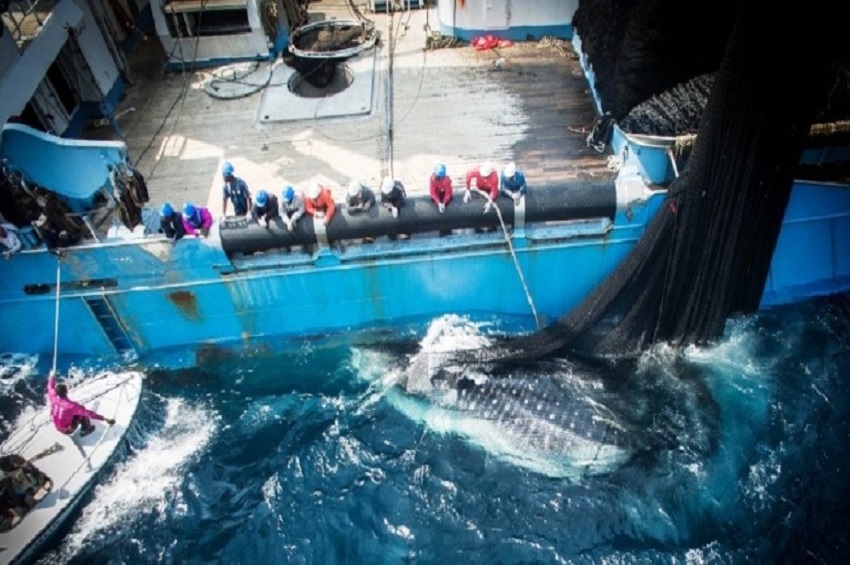
For years, fishing agreements between African states and the European Union have drawn criticism for prioritizing the interests of foreign fleets over local economic gains. Gabon’s government has concluded that the financial compensation offered by Brussels—approximately €2.6 million annually—falls far short of the true value of the tuna and other species harvested in one of the Gulf of Guinea’s richest fishing zones.
The imbalance extends beyond mere financial terms. The costs borne by Gabon to monitor and secure its exclusive economic zone far exceed the compensation received. Essentially, the country is subsidizing the oversight of an industry whose primary profits are captured abroad.
Industrial disparities are equally glaring. Fish caught in Gabonese waters is typically landed, processed, and marketed outside the country, leaving the nation on the sidelines of the value chains generated by its own resources.
Prioritizing local value creation
The crux of Gabon’s decision lies in its push for local transformation. Having already made strides in the timber, mining, and hydrocarbon sectors to reduce raw material exports, the country is now turning its attention to fisheries. The goal is to establish a robust national tuna industry capable of generating employment, attracting industrial investment, and boosting public revenue.
This strategy resonates with recommendations from African institutions such as the African Development Bank (AfDB), which has repeatedly highlighted the continent’s annual losses in potential revenue due to the lack of local processing of marine resources. With over 800 kilometers of coastline and one of the region’s largest maritime zones, Gabon is well-positioned to develop a competitive fishing industry.
Transparency, sovereignty, and sustainability at the core
Gabon’s decision is not solely economic—it also underscores a commitment to transparency and sustainable resource management. Authorities are particularly concerned about the risks of overfishing due to insufficient control mechanisms, a worry echoed by environmental organizations monitoring tuna stocks in African waters.
By refusing to renew the existing agreement, which expires on June 28, 2026, Libreville is setting the stage for stricter future partnerships. Any new deals must include heightened requirements for ecosystem preservation, traceability of catches, and local value creation.
This move signifies a shift in the power dynamics between African resource-rich nations and their traditional partners. No longer content with being mere suppliers of raw materials, several African countries are now demanding a more active role in shaping the terms of resource exploitation.
Gabon’s decision could set a precedent far beyond its borders, sending a clear message to investors and international partners: access to African natural resources must now be aligned with the imperatives of sovereignty, transparency, and local development.
As Africa seeks to build a more autonomous and strategically integrated economy, Libreville’s choice exemplifies a growing continental trend—one where nations refuse to merely export their resources and instead take charge of their economic destiny.