Gabon confirms active economic dialogue with the IMF
Libreville, July 9, 2026 – Contrary to recent reports suggesting a deadlock in negotiations with the International Monetary Fund (IMF), Gabonese authorities have issued a firm denial, emphasizing that discussions are actively progressing.
In Libreville, the government asserts that dialogue with the Bretton Woods institution is continuing precisely as scheduled, having now transitioned into a crucial technical phase. This stage is an essential precursor to any prospective economic program.
The clarification from Gabon’s Ministry of Economy, Finance, Debt, and Participations comes in response to an article that depicted a supposed “false start” in the Gabon IMF negotiations. Authorities have dismissed this interpretation as inaccurate, assuring that the dialogue has remained uninterrupted and is unfolding in what they describe as a constructive and responsible atmosphere.
Beyond simply refuting claims, this situation highlights the inherent complexities of discussions between sovereign states and international financial bodies. In such engagements, the speed of announcements often holds less significance than the reliability of the underlying data that will inform future commitments.
Negotiations enter a critical technical phase
Since the conclusion of the IMF spring meetings in Washington in April 2026, Gabonese teams and Fund experts have maintained their exchanges, adhering to a mutually agreed-upon work schedule.
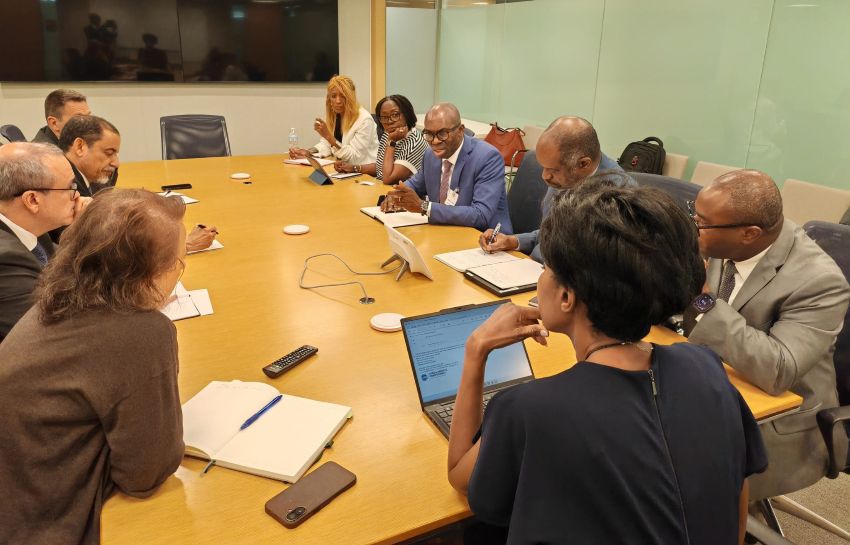
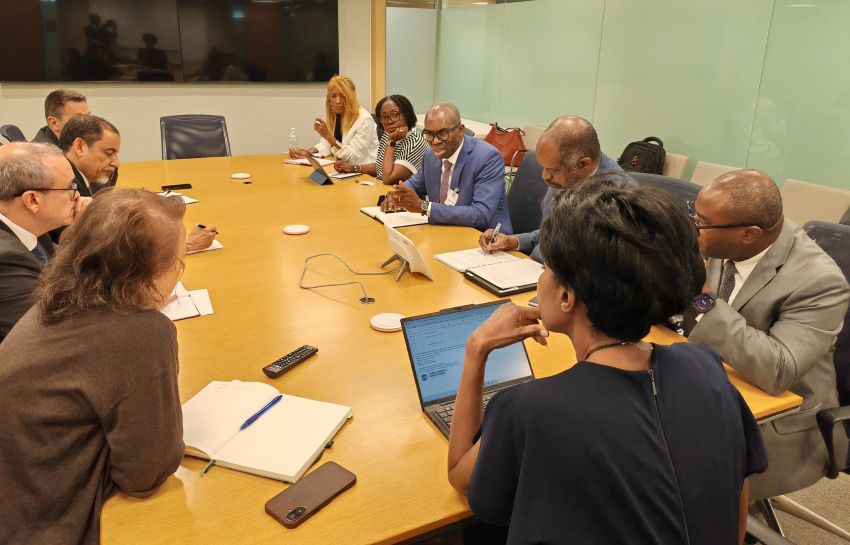
Already, nearly ten technical meetings have been conducted via videoconference to thoroughly examine the key parameters of the future economic cooperation framework. June alone saw three such sessions on the 12th, 19th, and 29th, preceding a subsequent meeting on July 6. This latest gathering involved IMF teams, led by Aliona Cebotari, the mission chief for Gabon, and the cabinet of Economy Minister Thierry Minko.
This proactive engagement also extended to the political level, with a meeting held in Washington on July 2 between the Gabonese minister and the director of the IMF’s Africa department.
These ongoing discussions primarily focus on Gabon’s macroeconomic framework, its budgetary trajectory for the coming years, and the potential conditions for a financial support program designed to bolster the reforms initiated by the authorities.
Debt audit at the heart of the dialogue
One of the most sensitive aspects remains the audit and consolidation of the Gabonese state’s outstanding liabilities. While some analyses have presented this exercise as a factor slowing down negotiations, Libreville views it as an indispensable step. Its purpose is to guarantee the quality and accuracy of financial information provided to the IMF.
The government is committed to obtaining a comprehensive and up-to-date snapshot of public commitments before finalizing any agreement that could have long-term implications for the national finances. For the authorities, this is not about delaying talks but rather ensuring they align with international standards of transparency and financial governance.
This approach also aims to enhance the country’s credibility with lenders, investors, and technical partners who closely scrutinize the sustainability of public finances and the integrity of budgetary statistics.
In a global environment marked by tighter financing conditions and rising sovereign debt costs, the precision of economic data has become a strategic imperative for African nations undertaking reform programs.
Beyond mere financial backing
Current work encompasses the rectified 2026 finance law, the macroeconomic and budgetary framework for the 2027-2029 period, and the definition of future steps in the partnership with the International Monetary Fund.
For Gabon, the stakes far exceed simply securing financial assistance. It is also about strengthening public finance transparency, improving the quality of debt-related statistics, and fostering enduring trust among international partners.
The government believes this strategy of preliminary consolidation offers the strongest assurance for developing a credible and sustainable economic program, one capable of supporting the nation’s ambitions for economic diversification.
From this perspective, the pace of the Gabon IMF negotiations appears less driven by the urgency of an agreement and more by a deliberate commitment to building a sufficiently robust framework. This approach seeks to prevent the fragilities that have, at times, undermined the effectiveness of certain adjustment programs across the continent.
In Libreville, the message is unequivocal. Discussions with the IMF are neither halted nor stalled. They are advancing according to a defined schedule and at a pace determined by the authorities, with an explicit priority placed on the reliability of figures before any commitment is signed, securing the country’s economic future.