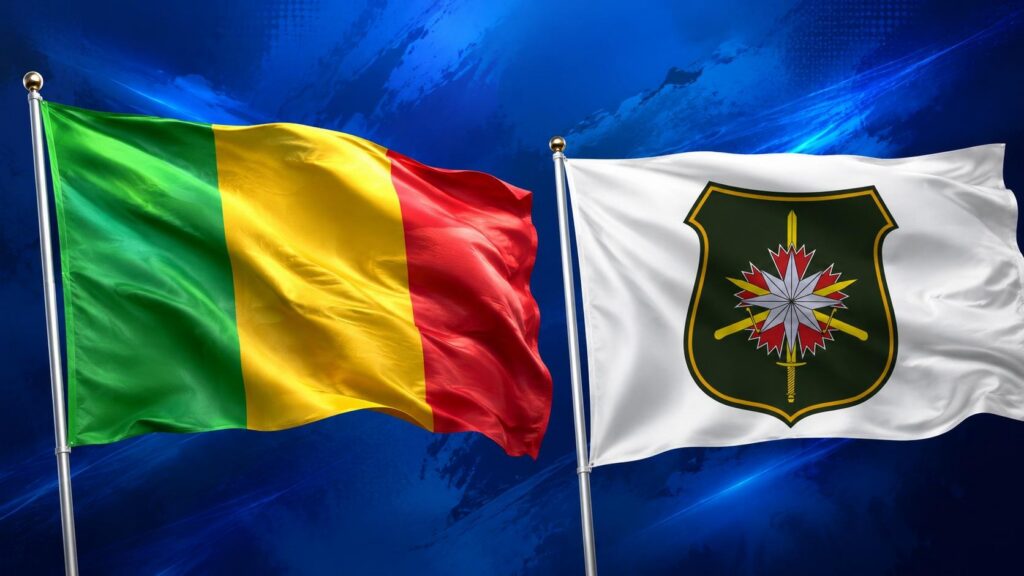
The myth of Africa Corps invincibility crumbles in Anéfis
Is the myth of Africa Corps’ invincibility in the Sahel unraveling in the sands of Anéfis? That’s the burning question fueling debates across West African diplomatic circles following intense clashes in this pivotal town in northern Mali. Once hailed as the ultimate security shield for Sahelian transitions, the Africa Corps—Moscow’s official paramilitary arm replacing the Wagner network—now faces glaring vulnerabilities in its faltering strategy.
The strategic choke point of Anéfis
Anéfis isn’t just another dot on the map. Positioned along the critical road linking Gao to Kidal—a stronghold of the Tuareg rebellion—it serves as a vital logistical hub. This time, however, Malian army forces (FAMa) and their Russian advisors found themselves under siege during an operation that quickly spiraled into tactical disaster.
Trapped between a coalition of local armed groups, including the mobile guerrilla units of the Permanent Strategic Framework (CSP-DPA) and the relentless asymmetric pressure from jihadist factions, the Africa Corps detachment suffered devastating losses. Destroyed armored vehicles, abandoned heavy equipment, and captured or killed soldiers—the images emerging from the battlefield starkly contradict the ironclad propaganda peddled from Bamako and Moscow.
Moscow’s asymmetric warfare dilemma
The Anéfis debacle strikes at the heart of Russia’s geopolitical narrative in the Sahel. By offering its services to the Alliance of Sahel States (AES), Moscow pledged brutal, immediate efficiency—an outright challenge to decades of Western interventions (Barkhane, MINUSMA) deemed failures by local populations.
Yet the harsh realities of asymmetric warfare are now impossible to ignore:
- Quicksand of isolation: Maintaining remote outposts in the vast Sahara against hyper-mobile indigenous fighters drains resources and morale.
- Intelligence blind spots: Despite advanced surveillance tech, Africa Corps consistently underestimates the rebels’ resilience and coordination in the northern territories.
- Overstretched substitute army: Russia, bogged down in other global conflicts, cannot indefinitely deploy elite troops in the Sahelian expanse. Africa Corps’ forces, though formidable, are stretched thin, struggling to play the role of fire brigade across a territory larger than Europe.
Bamako’s reckoning with harsh truths
In Bamako, the setback has sparked deep uncertainty. The transitional government’s entire security strategy hinges on Moscow’s promised effectiveness. If the protector stumbles into deadly ambushes, the dream of full territorial reconquest collapses like a house of cards.
The Battle of Anéfis may well mark a turning point in the Sahel crisis. It underscores a hard lesson: brute force and battle-hardened mercenaries, no matter how skilled, cannot resolve a crisis rooted in deep political and identity struggles. For Moscow, the Sahel is no longer a cheap showcase of influence—it’s becoming an expensive sand trap.