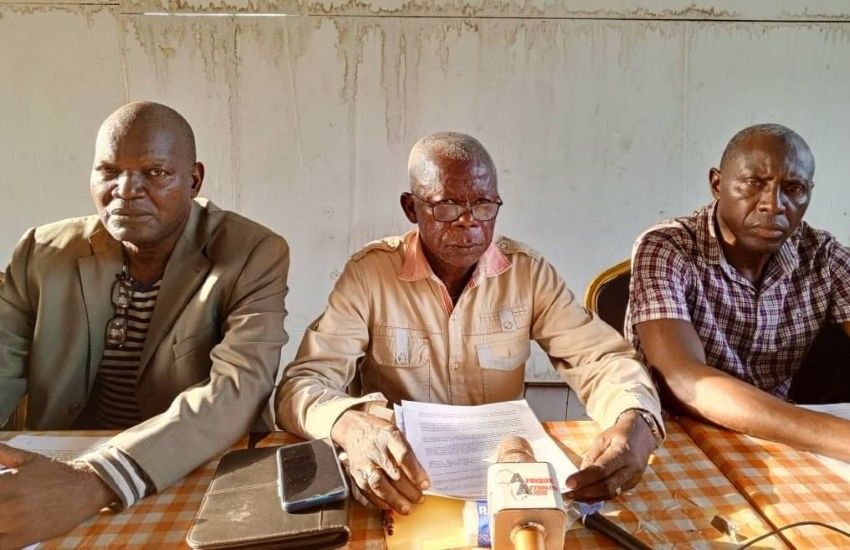
Gabon honors its elders with a national day of recognition
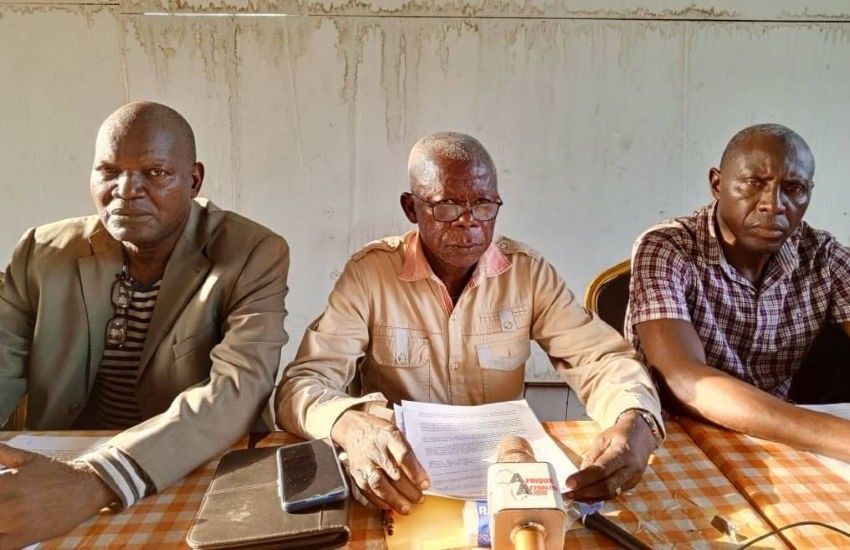
For decades, they have been the backbone of the administration, the architects of our institutions, and the guardians of state continuity. These seniors have passed their wisdom to younger generations, yet they frequently find themselves sidelined in public policy. While often praised in speeches, retirees and the elderly have rarely been at the center of national priorities until now.
In a significant move for social cohesion, Gabon has officially established a National Day for Retirees and the Elderly. Set for October 1st, this inclusion in the national calendar is more than a symbolic gesture; it reflects a deep commitment to intergenerational transmission and social solidarity.
This measure, approved during the Council of Ministers on June 25, 2026, honors a group of citizens whose role in national development remains vital. As global populations age, this initiative positions Gabon to address the strategic challenges of social protection and the preservation of experience.
Restoring national memory
Issued under Article 95 of the Constitution, the government decree formalizes this annual tribute. Selecting October 1st is a deliberate choice, aligning Gabon with the United Nations’ International Day of Older Persons. This synchronization places the nation’s local efforts within a global movement to value the elderly.
Beyond honoring those who served in government, private sectors, and local communities, this day highlights a fundamental truth: a nation is not built solely on future aspirations but on the foundations laid by its predecessors.
In an era defined by rapid technological shifts and a focus on immediate results, retirees represent an invaluable human capital. They are the keepers of institutional memory and professional expertise. Their journeys provide a roadmap for younger generations navigating today’s complex economic and cultural landscapes.
A strategic social priority
This government initiative addresses a demographic reality facing modern societies. Aging populations are no longer exclusive to developed nations; it is a central issue for African states as well.
By dedicating a specific day to these issues, authorities aim to highlight the specific hurdles faced by the elderly. Key areas of focus include healthcare access, living standards, social security, isolation, and maintaining family ties.
Planned activities will bring together public agencies, local governments, and community organizations. The goal is to foster a culture of respect for elders while encouraging the exchange of values and knowledge between the youth and their predecessors.
This approach addresses a critical need. While African societies have traditionally relied on family solidarity, rapid modernization can sometimes weaken these support systems. The state must step in as a primary actor to maintain this vital balance.
Human-centered development
With this decision, Gabon signals that progress is not measured only by infrastructure or GDP growth. A country’s maturity is also reflected in how it protects its most vulnerable and honors those who spent their lives in service to the community.
The creation of the National Day for Retirees and the Elderly demonstrates a clear political will to put people at the heart of public action. It acknowledges that experience is a national resource as precious as any natural wealth.
The inaugural celebration on October 1st, 2026, will be more than a simple ceremony. It will launch a new dialogue regarding the role of seniors in contemporary Gabonese society. Honoring the past strengthens the nation’s unity and secures a more stable future.