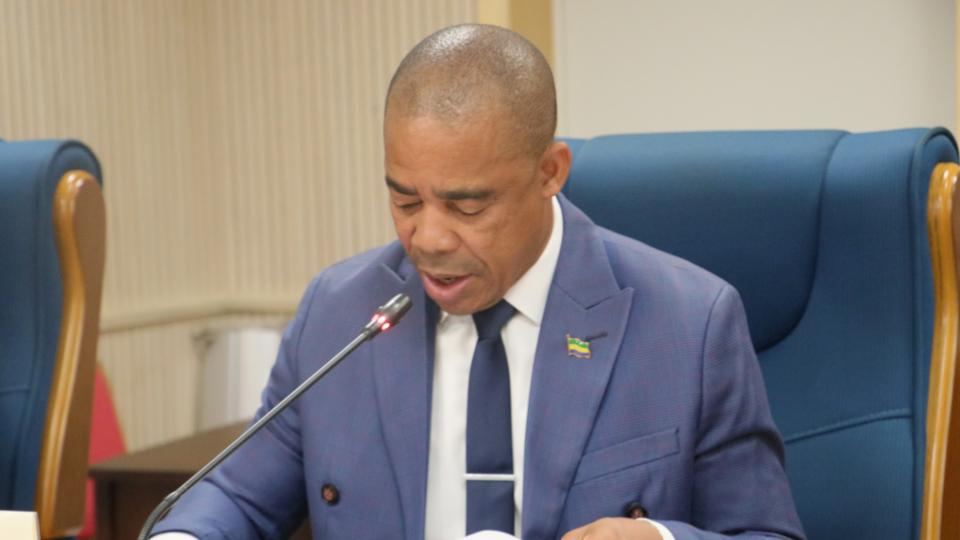
Gabon is taking a firm stand against Silicon Valley and Beijing tech giants. In Libreville, the Senate reviewed a government bill designed to strictly regulate social media activity nationwide. The legislation aims to fill a legal void long criticized by authorities and civil society. Its key measure: requiring every major foreign platform to designate a legal representative residing in Gabon.
Until now, platforms like TikTok, Facebook, and X (formerly Twitter) operated in Gabon with no official local contact. This lack of representation hampered institutional dialogue on judicial requests, content moderation, and cybersecurity. By mandating a local agent, Libreville seeks to rebalance a historically lopsided power dynamic, drawing inspiration from Brazil’s and the European Union’s strict regulations.
This push occurs against a unique national backdrop. Since February 2025, the government has repeatedly cut or restricted social media access for public order reasons. However, Gabonese internet users have widely turned to VPNs (virtual private networks), cleverly circumventing the blocks and rendering state measures partially ineffective.
Between public security and fundamental freedoms
Supporters of the law argue it aims to establish genuine digital sovereignty, modeled on initiatives in Nigeria and Kenya. At the Senate, the arguments put forward range from protecting minors to combating hate speech and disinformation.
However, the bill has drawn criticism from civil society. Many fear it could become a censorship tool to stifle freedom of expression, a delicate balance in Africa’s democratic transitions. Observers now await the severity of future penalties for non-compliance.
The challenge of economic attractiveness
The success of this tug-of-war will hinge on the reactions of Meta and ByteDance. For these web empires, Gabon’s market of 2.5 million people carries little economic weight. If regulation proves too rigid, it could deter tech investors, especially in Central Africa’s data center sector. Conversely, a balanced framework would boost Libreville’s international standing. Parliamentary debates suggest the government is pushing ahead at full speed.