While global industrial powers engage in a strategic race to secure critical mineral supplies, a more fundamental shift is taking place within producer nations. Gabon is now leading a movement centered on local value creation rather than simple extraction.
For decades, resource-rich nations have often been relegated to the role of raw material suppliers. However, many are now reclaiming their economic agency. During a high-level summit in Brussels organized by the Organisation of African, Caribbean and Pacific States and the European Investment Bank, Gabon presented a bold vision for its future.
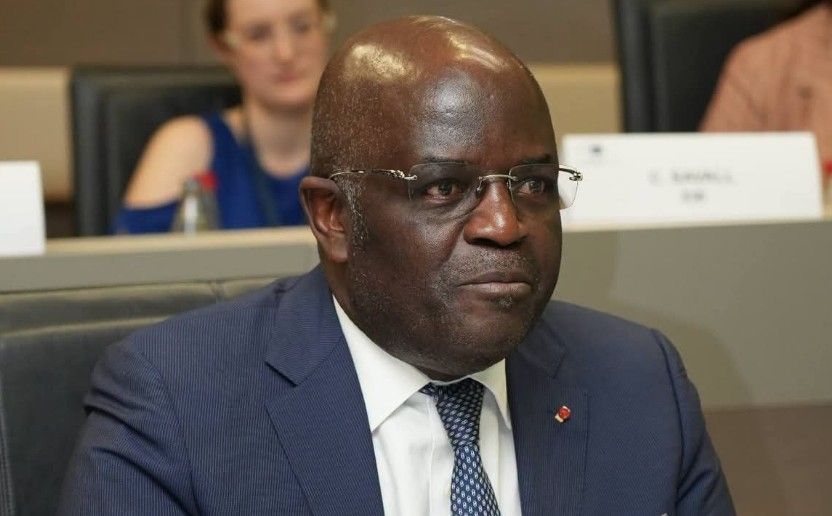
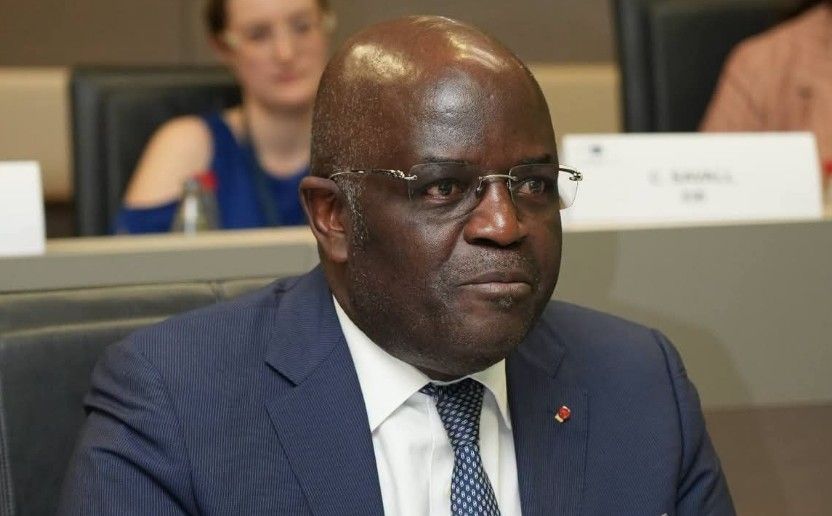
Representing the nation, Eudes Régis Immongault Tatangani, the Ambassador to the Kingdom of Belgium and the European Union, advocated for a strategy that transcends national borders. He proposed a revised economic framework between producers and global markets—one that prioritizes local processing and the integration of resources into complete industrial value chains.
Moving beyond the traditional extractive model
The global surge in demand for critical raw materials is fueled by the energy transition, the digital revolution, and the rise of emerging technologies. From electric vehicle batteries and renewable energy systems to artificial intelligence and advanced infrastructure, these industries require vast amounts of strategic minerals, many of which are found across Africa.
For Eudes Régis Immongault Tatangani, this global demand represents a historic turning point. It allows producer nations to abandon the rent-seeking economic models that have dominated for decades. The Ambassador emphasized that a country’s true wealth is not defined merely by the volume of its underground resources, but by its ability to convert those assets into sustainable growth, skilled employment, and industrial advancement.
This perspective aligns with modern economic theory, which highlights that nations exporting only raw materials capture the smallest slice of the value chain. The most significant economic gains—innovation, manufacturing, and high-end processing—typically occur elsewhere. Gabon is determined to rectify this imbalance.
Establishing African value chains
The Gabonese strategy focuses on an integrated approach that spans from extraction to final industrial transformation. Implementing this vision requires significant capital investment in energy, railways, ports, and logistics to support a competitive industrial environment.
The message delivered in Brussels mirrors the recent trajectory of Gabonese economic policy. In Libreville, authorities have been accelerating initiatives to encourage the domestic processing of national resources, particularly in the timber and mining sectors.
The objective is clear: to systematically decrease reliance on raw exports while fostering industrial activities that retain wealth within the country. This shift also addresses a new geopolitical reality where producer nations seek to be viewed as industrial partners rather than just resource warehouses for developed economies.
The necessity of equitable partnerships
Beyond physical infrastructure, the Gabonese representative highlighted that the quality of international cooperation is vital. He argued that alliances between governments, private investors, and financial institutions must include robust mechanisms for technology transfer and local skill development.
Economic sovereignty is built on more than just natural abundance; it requires the mastery of specialized knowledge and technologies. By asserting this position, Gabon is actively participating in the redesign of international economic relations.
The contest for critical minerals will not be decided at the mine site alone. Success will be found in factories, research laboratories, and specialized training centers. Gabon’s commitment to this industrial evolution could serve as a primary economic benchmark for the continent in the coming decades.