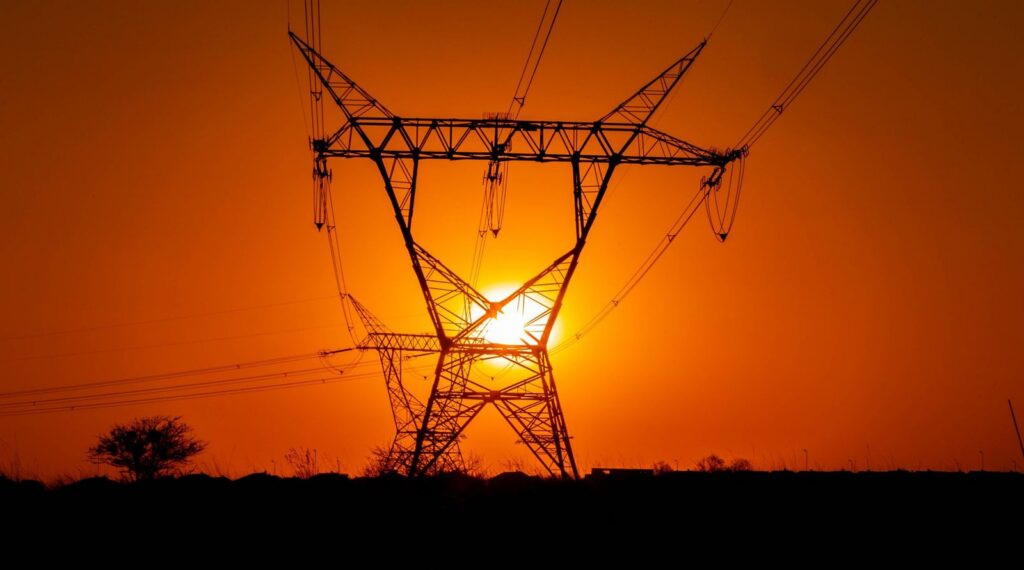
The Gabonese government has officially unveiled its 2026-2035 energy roadmap at the African Energy Forum in Cape Town, positioning Libreville as a key player in the continent’s evolving energy landscape. Led by Minister of Universal Access to Water and Energy Philippe Tonangoye, the delegation outlined the country’s strategic priorities to an audience of over 45 nations, international financial institutions, specialized funds, and leading energy sector operators. The overarching ambition: to reposition Gabon on Africa’s energy map and secure a share of the continent’s growing investment flows.
Decade-long strategy to bridge the power gap
Spanning a full decade, the plan aims to reshape Gabon’s energy mix by diversifying supply sources and expanding access to essential services. While hydropower and thermal power currently dominate electricity production, authorities are seeking to reduce dependence on these while improving rural electrification rates, which lag far behind urban centers. The initiative is not merely about boosting output—it also targets the modernization of aging transmission and distribution networks, notorious for inefficiencies and technical losses.
The strategy revolves around three core pillars: scaling up installed capacity, strengthening grid infrastructure, and deploying decentralized solutions for remote communities. By integrating these elements, the government hopes to make universal electricity access a tangible reality—a priority enshrined in its national agenda.
Cape Town as a launchpad for investment
The African Energy Forum serves as an ideal platform for Gabon to attract much-needed financing. The event draws key decision-makers, multilateral lenders, and investors actively shaping Africa’s energy future. With a constrained fiscal margin and a closely monitored public debt, Gabon must secure concessional funding and private capital to execute its decade-long vision.
Minister Tonangoye highlighted upcoming investment opportunities across renewable energy and transitional thermal segments. Despite underutilized potential, Gabon’s untapped hydropower reserves—estimated in the gigawatt range by independent studies—and significant solar capacity in certain regions remain largely unexplored. Additionally, the country is pushing to harness its natural gas reserves locally for electricity generation, positioning itself as a regional energy transition player.
The presence of international financial bodies and infrastructure funds at the forum provides Libreville with a direct channel to initiate bilateral negotiations. Yet, the real challenge lies in transforming the plan into bankable projects. Investors typically require stable regulatory frameworks, competitive bidding processes, and transparent pricing structures before committing to long-term ventures.
Energy sovereignty and industrial growth
Embedded within the 2026-2035 roadmap is a broader push for economic sovereignty under the current transitional leadership. Reliable electricity access is seen as a linchpin for developing local industrial value chains in timber, mining, and hydrocarbon processing—sectors where Gabon seeks to enhance competitiveness. Achieving this demands a steady, cost-effective energy supply to support high-value manufacturing.
Balancing this industrial imperative with the country’s climate commitments—Gabon is recognized for its forest conservation efforts—will define investment choices over the next decade. The Cape Town forum has opened the debate publicly, signaling the government’s intent to gauge investor appetite for Gabon’s energy market.