Gabon: The National Assembly strengthens its institutional role
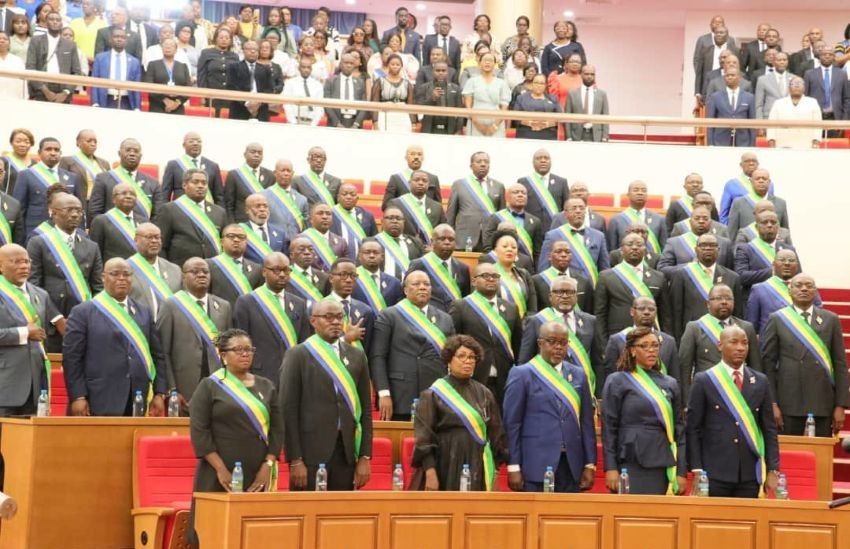
Libreville, Wednesday, July 1, 2026 – Four months after its inauguration under the framework of the Vth Republic, the Gabon National Assembly has concluded a session that stands as a cornerstone in the country’s modern institutional history.
Within the halls of the Palais Léon-Mba, the official closing of the first ordinary session, known as the “law session,” represented more than just the conclusion of a parliamentary cycle. It solidified the rise of a Parliament determined to occupy its rightful place in the national reconstruction process initiated on August 30, 2023.
Led by Michel Régis Onanga M. Ndiaye, deputies showcased a robust track record, active diplomatic engagement, and a clear commitment to protecting their legislative powers against an executive branch with broad reform goals. Beyond the statistics, a vital question emerges: what institutional balance will the new Gabon build between government efficiency and democratic oversight?
A foundational session for the Vth Republic
The closing ceremony was attended by the state’s highest officials, heads of constitutional bodies, the Vice-President of the Government, cabinet members, the diplomatic corps, and various civil and military leaders.
This session held significant weight as the new institutions established by the Constitution of the Vth Republic continue to take shape. In his address, the President of the National Assembly provided a comprehensive summary of the work achieved. Out of 33 bills submitted to the house, 23 were debated and passed. These legislative acts are expected to have a direct influence on the daily lives of citizens and support the rollout of the new institutional framework.
Beyond the number of laws passed, Michel Régis Onanga M. Ndiaye emphasized the political duty of the deputies. He noted that their role is not merely to endorse legislation but to refine, modify, and, when necessary, return bills to the government if the public interest is at stake.
This declaration of autonomy signals a major shift in how the Gabonese parliament operates. The current Assembly appears focused on avoiding the reputation of being a mere rubber-stamp body, a criticism often leveled at legislative institutions in various regions.
The debate over ordinances at the heart of governance
A pivotal moment during the closing involved a cautionary note regarding the government’s use of ordinances. While acknowledging their constitutional validity, the President of the National Assembly argued that such measures should be reserved strictly for genuine emergencies. This stance serves as a firm defense of the necessity for parliamentary deliberation.
This position comes at a time when executive reforms often demand rapid implementation. However, the Assembly leadership maintains that public efficiency must not come at the cost of democratic debate. The message is unambiguous: the success of the Vth Republic depends as much on the quality of reforms as on the transparency of their development.
An institution focused on oversight and transparency
The National Assembly also highlighted its commitment to institutional dialogue and international relations. A major highlight was the Parliamentary Congress on June 15, featuring the first state of the nation address by President Brice Clotaire Oligui Nguema before both chambers.
During that event, the Head of State outlined priority reforms, including back-pay settlements, the reimbursement of Poste SA savers, the expansion of social safety nets, the overhaul of the SEEG, and the advancement of the transport sector.
Ultimately, the core theme of this closing session remains accountability. This includes the accountability of representatives to their constituents, the government to the legislature, and the media in providing accurate reporting. By concluding this first session, the National Assembly has signaled that the Vth Republic will be built on the ability of institutions to engage in dialogue, provide mutual checks and balances, and remain answerable to the people.
While the session has ended, the real work is only beginning. In any developing democracy, legislative texts are merely the starting point; the only true measure of success will be the tangible results achieved.

More Stories
Can Niger still call itself a state of law after jailing lawyer Abdourahamane Lirwana?
Can Benin replicate its 2023 financing success with 328 billion FCFA in 2026?
Burkina Faso: can the official narrative on four years of Ibrahim Traoré’s rule withstand scrutiny?